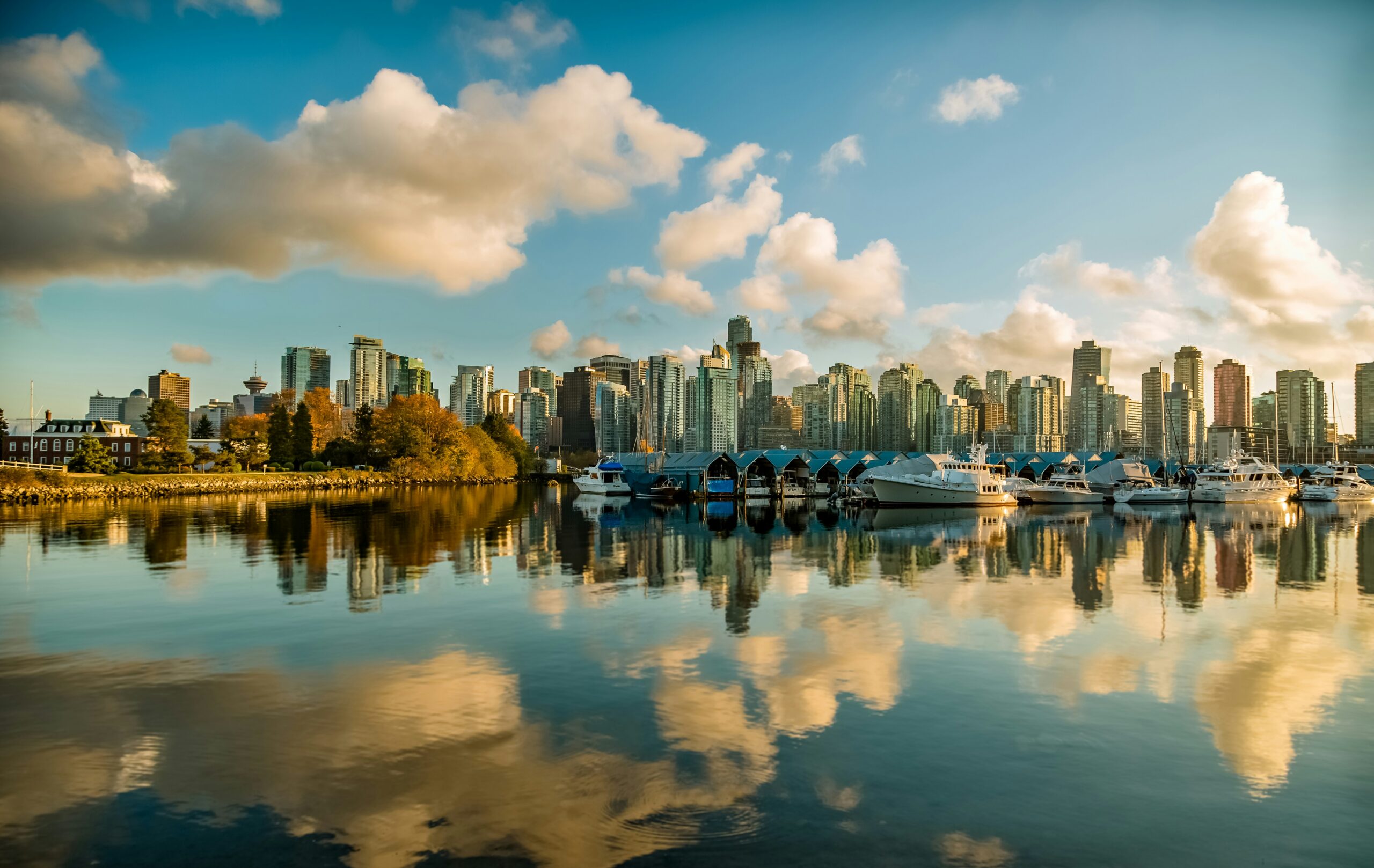
Planning your Vancouver itinerary? This 2026 guide covers the best 3 to 5 day plan – Stanley Park, Granville Island, North Vancouver, Whistler day trip, and more. Whether you are a first-time visitor, part of a couple, or a nature lover, this day-by-day breakdown captures the actual rhythm of the city.
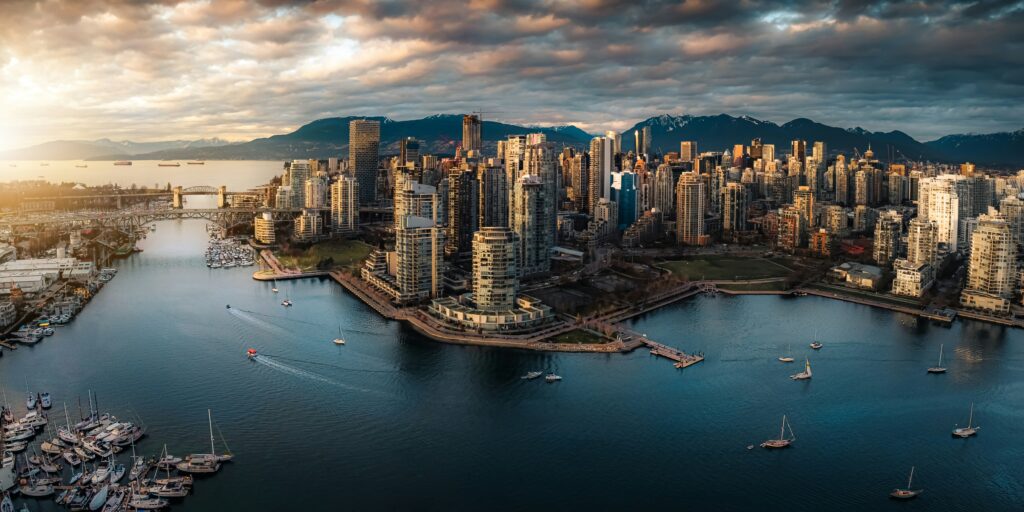
Vancouver gives you everything at once: you can walk through an ancient temperate rainforest in the morning and watch the sunset over a skyline backed by snow-capped mountains by evening.
Day 1: Stanley Park, Downtown, and English Bay
Morning: Stanley Park
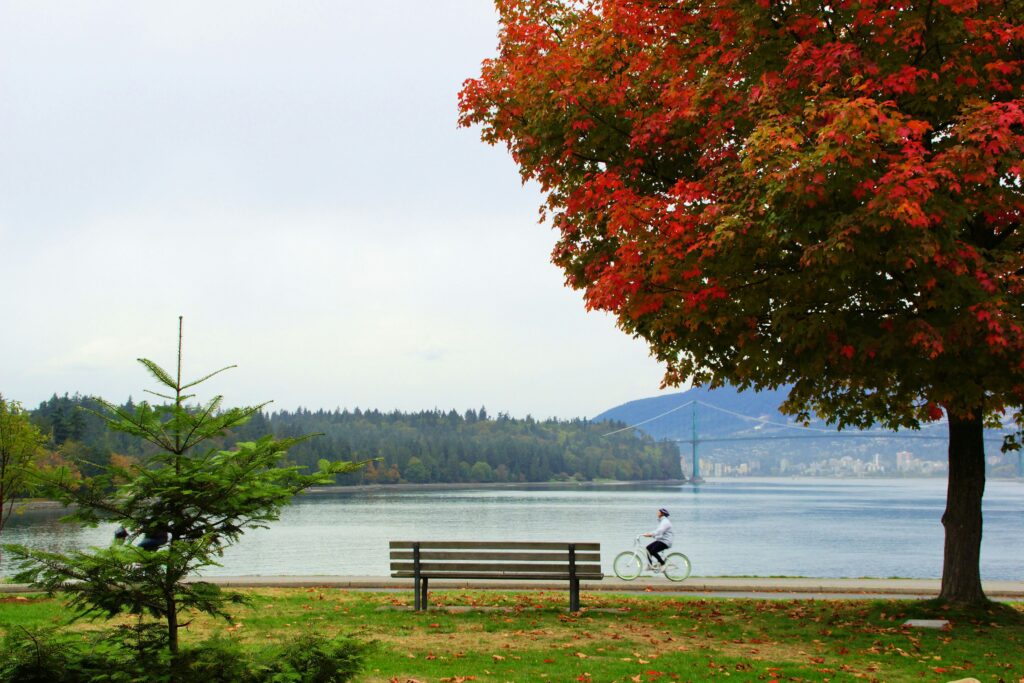
Begin where the city begins to make sense. Stanley Park is a 400-hectare peninsula of old-growth temperate rainforest.
- The Seawall: The best way to experience the park is by bike. The 10km paved loop offers shifting views of the skyline, ocean, and mountains.
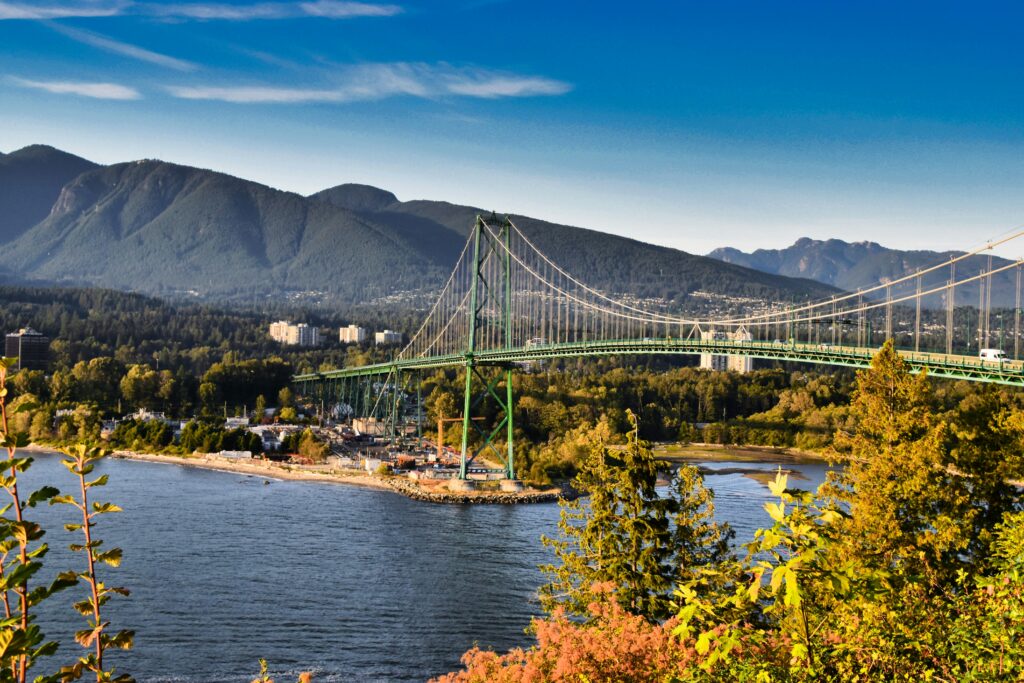
- Key Stops: Visit the totem poles at Brockton Point and climb to Prospect Point for views of the Lions Gate Bridge.
- Tip: Rent bikes near the Denman Street entrance. Arrive before 9am on weekends to beat the queues.
Afternoon: Downtown Vancouver
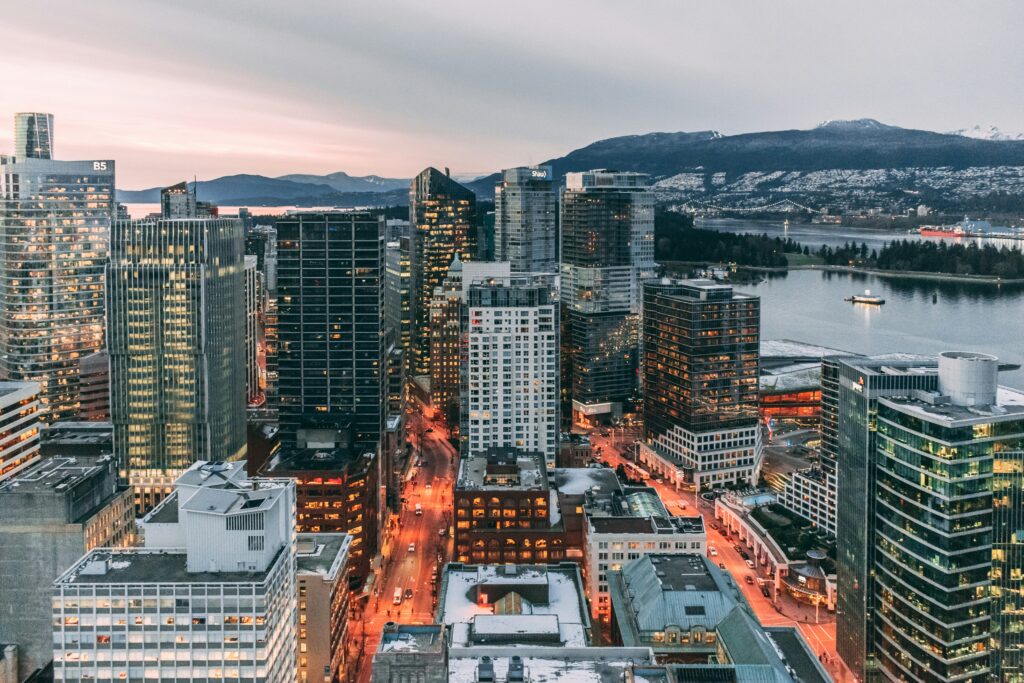
Transition from the “cathedral quiet” of the forest to the architectural glass towers of the city center.
- Canada Place: Walk to this iconic building designed to look like sails for a vantage point over the North Shore mountains.
- Robson Street: Explore the main commercial strip and the pleasant streets of Coal Harbour.
Evening: English Bay
End your day at this crescent of sandy beach. Arrive an hour before sunset to watch the light catch the peaks of Vancouver Island across the Strait of Georgia.
Day 2: Granville Island, Kitsilano, and the Beaches
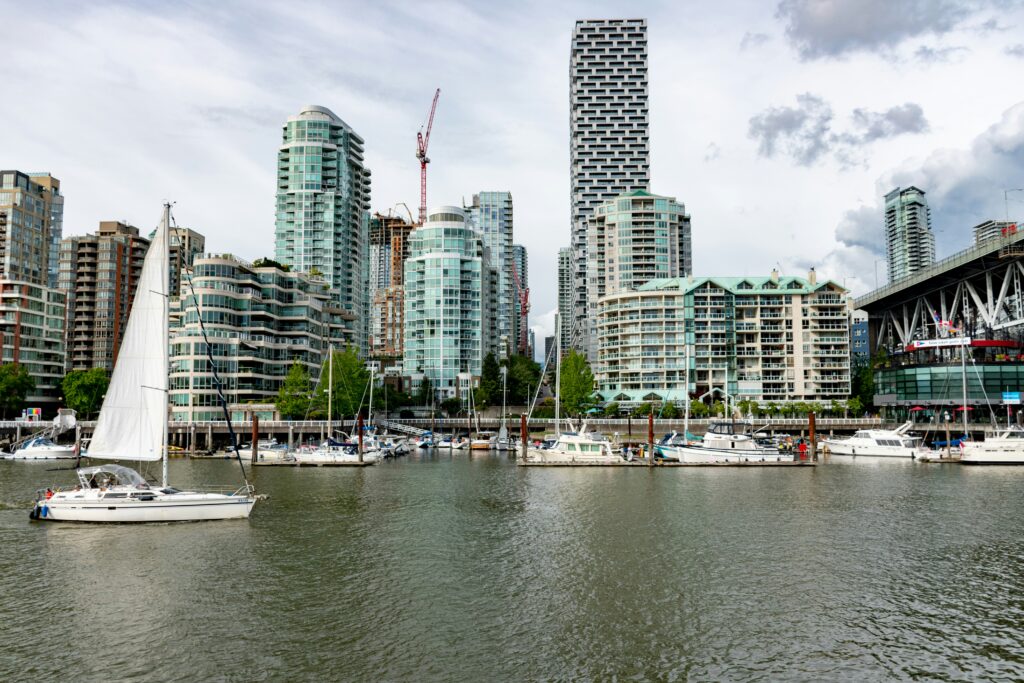
Morning: Granville Island
This former industrial site is now a vibrant public market and arts district.
- Public Market: Arrive hungry for artisan cheeses, smoked salmon, and fresh pastries.
- Getting There: Take the Aquabus ferry from Downtown; it’s cheap, convenient, and a classic Vancouver experience.
Afternoon: Kitsilano
Walk or take a short bus ride west to “Kits”.
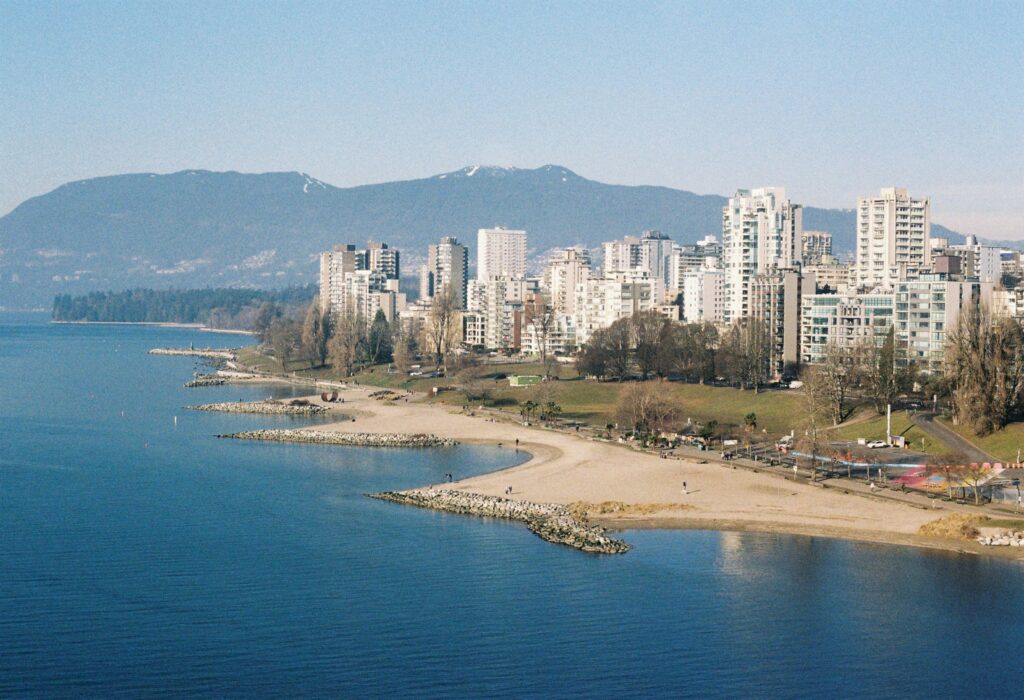
- Kitsilano Beach: Offers the most photographed views in Vancouver, facing north toward the mountains.
- Local Vibes: Explore West 4th Avenue for independent coffee shops and outdoor gear stores.
Evening: Dinner and Sunset
Kitsilano’s restaurant scene is known for its independent character. The beach here provides a second fantastic sunset option, looking east back toward the Downtown skyline.
Day 3: North Vancouver and the Mountains
Morning: Capilano or Lynn Canyon
Cross Burrard Inlet via the SeaBus ferry (12 minutes) to reach the North Shore.
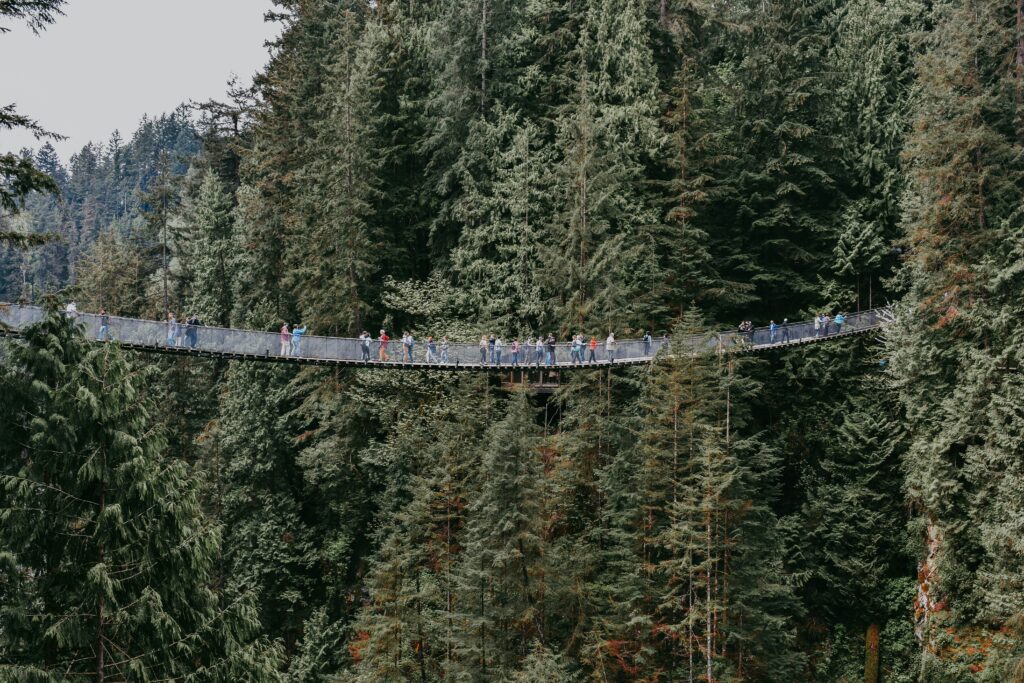
- Capilano Suspension Bridge: The famous choice featuring a 137-meter bridge, Cliffwalk, and Treetops Adventure.
- Lynn Canyon: The “honest alternative”. It’s free, less crowded, and offers a more genuine nature experience.
Afternoon: Grouse Mountain
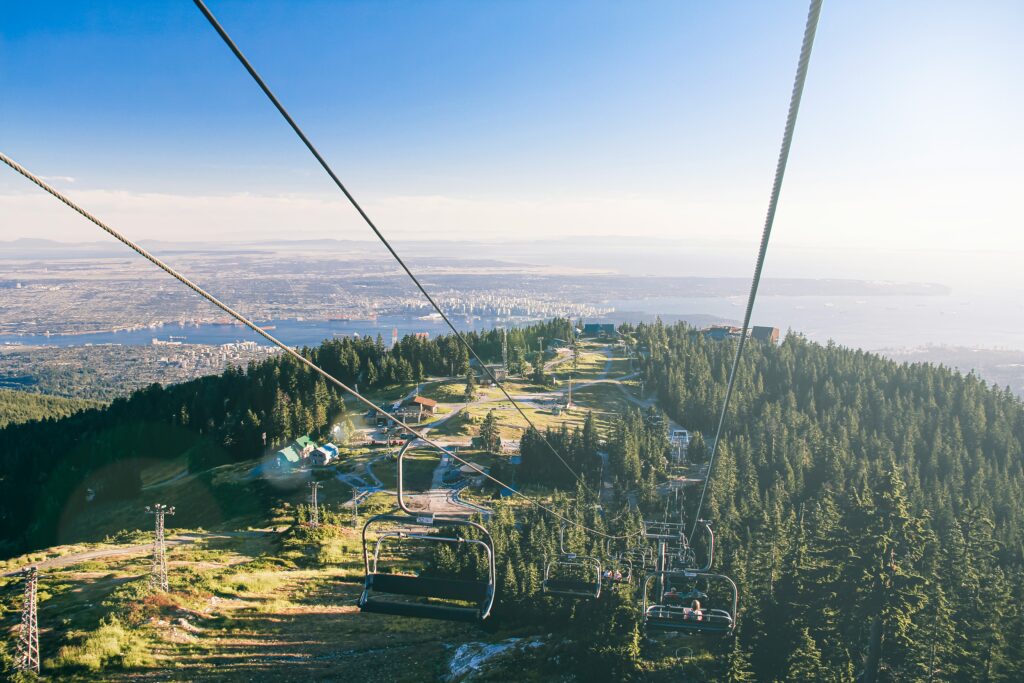
Take the gondola 1,231 meters above sea level for a dramatic alpine perspective.
- Activities: Visit the resident grizzly bears (Grinder and Coola), watch a lumberjack show, or see paragliders launch from the summit.
- Timing: Arriving around 3 or 4pm positions you perfectly for sunset views over the city.
Day 4 and 5: Whistler or Vancouver Island
If your Vancouver travel plan extends beyond three days, leaving the city for at least one day is highly recommended.
- Book your day trip to Whistler
Option 1: Whistler
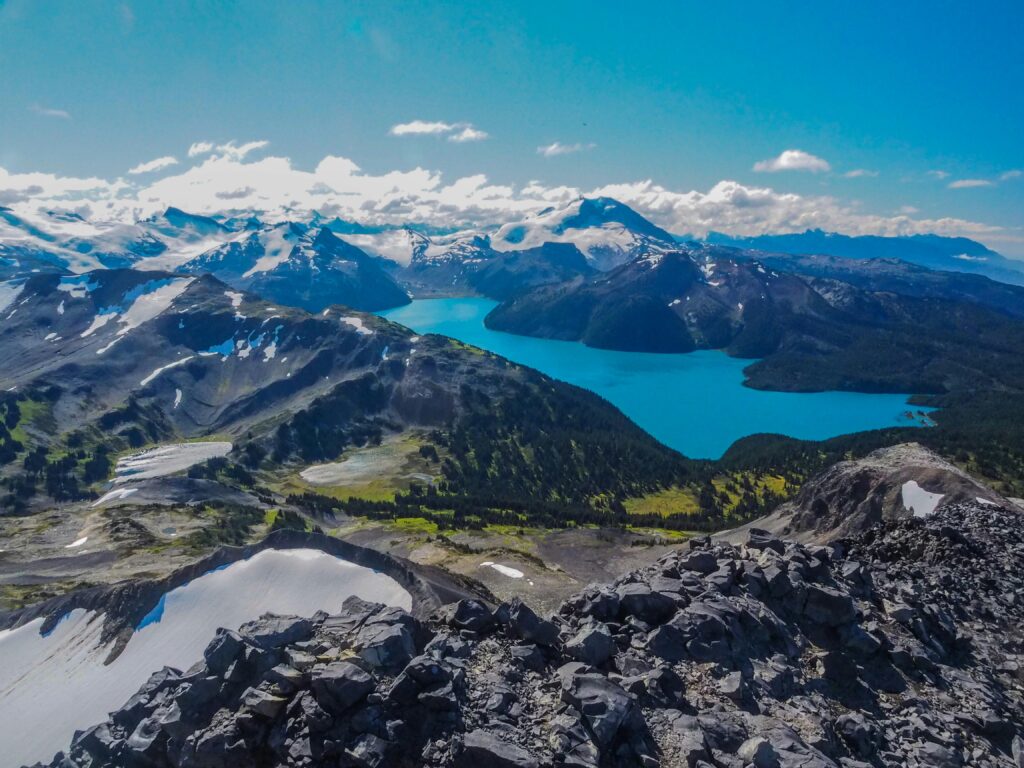
Drive the Sea-to-Sky Highway, one of the most scenic routes in the world.
- Activities: In summer, enjoy world-class hiking, mountain biking, and the peak-to-peak gondola.
- Tip: Leave Vancouver before 8am to avoid weekend traffic and stop at the 335-metre Shannon Falls along the way.
Option 2: Vancouver Island and Victoria
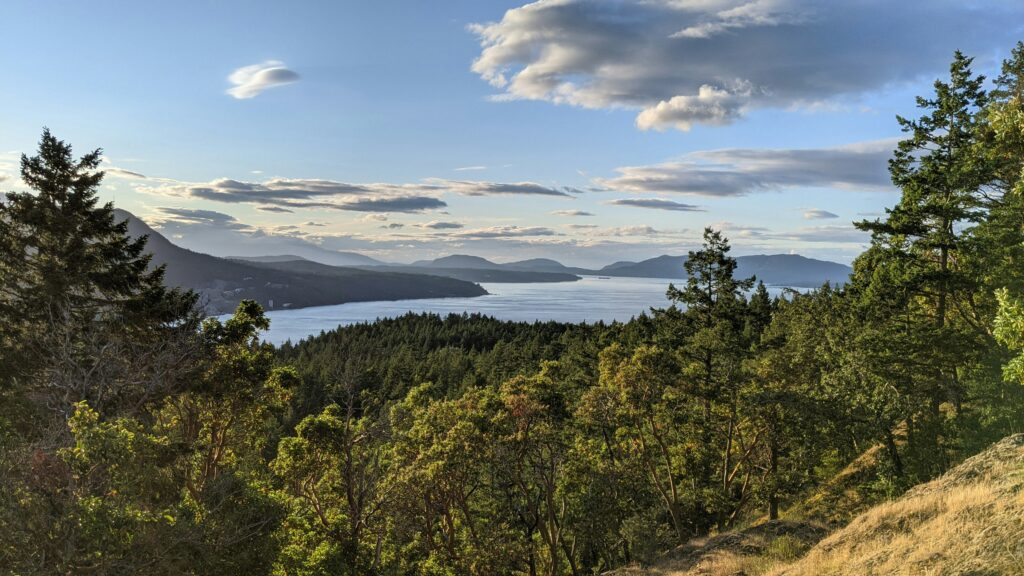
Take the 95-minute BC Ferries crossing through the Gulf Islands to reach Victoria, the provincial capital.
- Highlights: Explore the Inner Harbour, the Parliament Buildings, and the historic Empress Hotel.
Planning Your Trip to Vancouver 2026
Best Time to Visit
- June – September: Best weather for outdoor activities, though July and August are peak “crowd” months.
- May: The best time for cherry blossoms and more reasonable prices.
- Winter: Ideal for skiing at Whistler, but the city itself is often rainy.
Where to Stay in Vancouver
- Downtown/Coal Harbour: Best for first-timers; home to luxury spots like the Fairmont Pacific Rim.
- Yaletown: Great for those seeking nightlife and independent restaurants.
- Kitsilano/West End: Offer smaller, more budget-friendly accommodation.
Getting Around Vancouver
Vancouver is highly walkable, and the SkyTrain and SeaBus networks are excellent. Use a Compass Card for all transit. While you don’t need a car in the city, renting one is recommended for day trips to Whistler or provincial parks.
Vancouver Itinerary
Vancouver is not about rushing between attractions. It is about moving through the city and letting the landscape shape your experience. This itinerary serves as a framework for experience rather than a rigid schedule to follow. Whether you are cycling the Seawall, eating your way through Granville Island, or driving the spectacular Sea-to-Sky Highway, Vancouver rewards the traveler who leaves room for the unexpected.
The best moments in any city are often the ones that happen between the planned activities. In Vancouver, that usually means standing somewhere with mountains in front of you and the ocean on both sides, realizing that while most cities only give you one thing, Vancouver truly gives you everything.
FAQ: Vancouver Itinerary
How many days do you need in Vancouver?
Three to five days is the ideal timeframe for a comfortable Vancouver itinerary.
Three days allows you to cover the core highlights like Stanley Park, Granville Island, Kitsilano, and North Vancouver.
Four to five days provides enough time for a day trip to Whistler or Victoria and a more relaxed exploration of local neighborhoods.
Is Vancouver walkable?
Yes, Vancouver is exceptionally walkable, particularly in the Downtown core, the West End, and Kitsilano.
Most central hotels are within a 15 to 20-minute walk of Stanley Park.
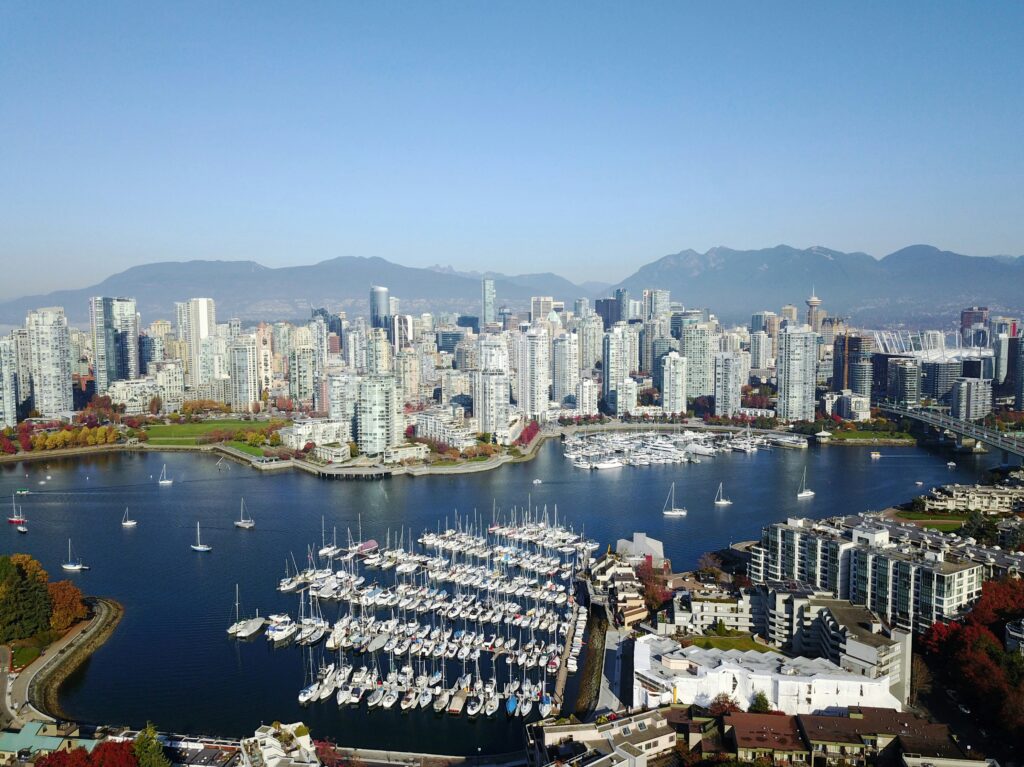
The Seawall provides a continuous paved path connecting major points like Coal Harbour, False Creek, and Granville Island.
What should you not miss in Vancouver?
According to local experts and travel patterns for 2026, the non-negotiables are:
Stanley Park: Especially the Seawall and the old-growth forests.
Granville Island Public Market: Best experienced by arriving hungry.
English Bay or Kitsilano Beach: For a world-class sunset on a clear evening.
Sea-to-Sky Highway: The drive to Whistler is considered one of the most spectacular in Canada.
Do you need a car in Vancouver?
You do not need a car for activities within the city itself.
The transit network (SkyTrain, SeaBus, and buses) covers central neighborhoods effectively.
Cycling is highly supported by local infrastructure.
A car is only recommended for day trips to Whistler, Vancouver Island, or exploring provincial parks.
When is the best time to visit Vancouver?
The best time depends on your priorities:
June through September: Offers the most reliable weather for outdoor activities.
May: Ideal for seeing the 400,000 cherry trees in bloom and enjoying pre-peak pricing.
Winter (November – February): Great for skiing at Whistler or Grouse Mountain, but expect sustained rain and limited daylight in the city.