
The ultimate guide to the most beautiful national parks in Canada from coast to coast
Canada remains one of the last places on Earth where nature still feels genuinely untouched. The sheer scale is the first thing you notice: mountains rising vertically for two thousand metres, lakes so clear they turn an impossible turquoise from glacial minerals, and forests that stretch further than the eye can see. Whether it is the ancient Pacific coastlines or tidal ranges so extreme the sea floor becomes a hiking trail, the landscapes here are extraordinary.
Canada protects these environments through 48 national parks managed by Parks Canada, one of the world’s most thoughtfully run conservation networks. This guide covers the best national parks in Canada for 2026 – the ones that justify the journey and change how you think about the wilderness.
Parks Canada Discovery Pass: If you plan to visit more than two or three parks in a year, this pass covers entry to all national parks and historic sites for 12 months. A single adult pass costs around 75 CAD and pays for itself within three park visits. You can purchase it at any park entrance or online at pc.gc.ca.

1. Banff National Park – The Most Iconic
Established in 1885, Banff is Canada’s first and most visited national park. It holds a unique position in the national imagination, though the secret to a great visit is learning how to get beneath the crowds.
- Lake Louise: Features a jade-and-turquoise hue that photographs fail to capture accurately.
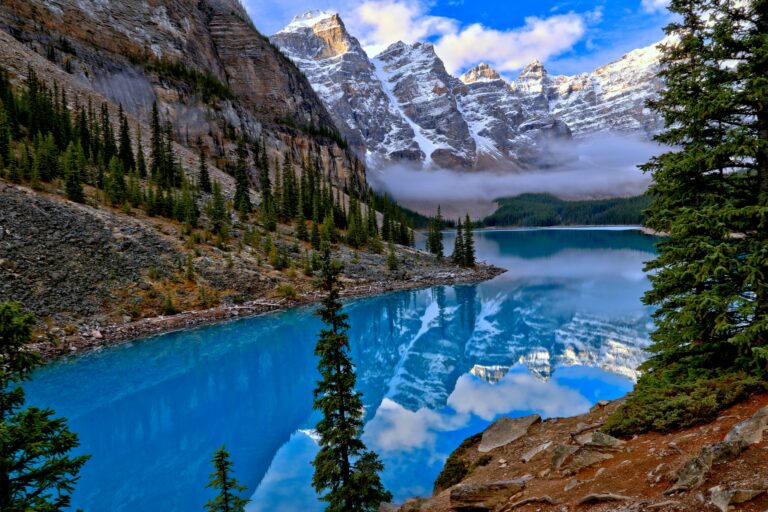
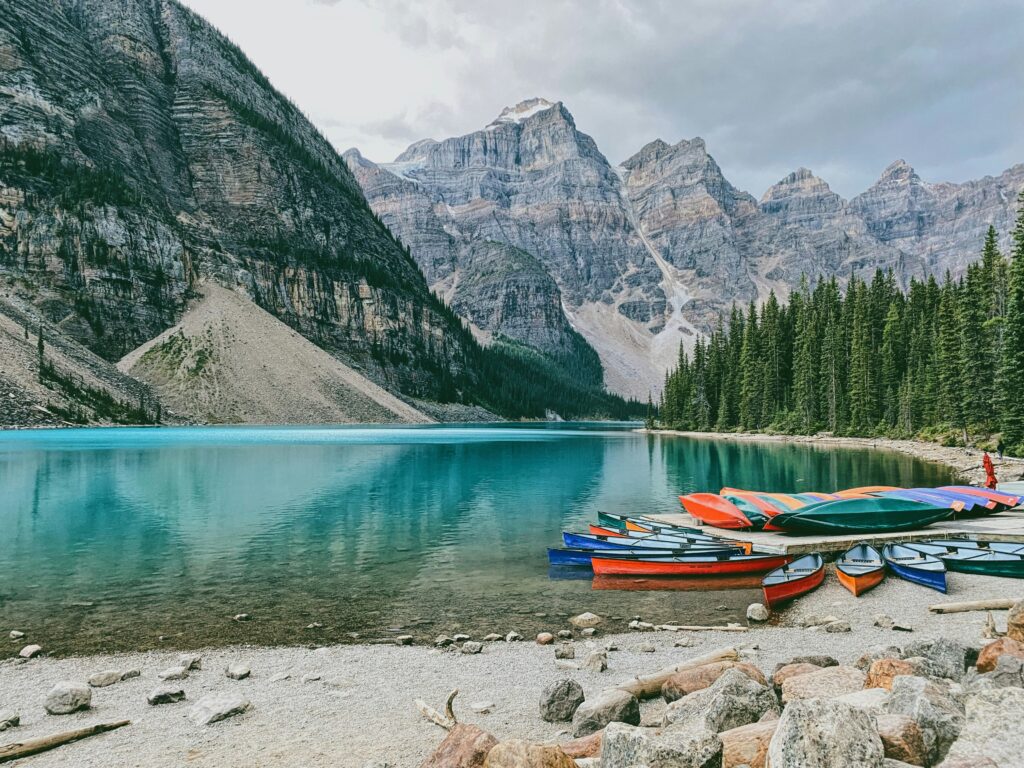
- Moraine Lake: Arguably more beautiful than Louise, with the ten peaks of the Wenkchemna range reflected in its surface.
- Peyto Lake: A wolf-shaped expanse of glacial blue visible from the Icefields Parkway.
- Town of Banff: Provides full services and early access to lakes before tours arrive.
- Sulphur Mountain: The Banff Gondola offers an aerial perspective of the surrounding scale.

Tip: Parks Canada operates a mandatory reservation shuttle for Moraine Lake from late June through early October. Reservations open in April and sell out within hours; booking this should be your first priority for a summer visit. Book a tour to Lake Louise, Moraine, Emerald Lake a Johnston Canyon.
2. Jasper National Park – Wild and Untouched
Jasper offers everything Banff promises but with fewer crowds and a higher register of wilderness. As the largest park in the Canadian Rockies, its density of wildlife is unmatched. Elk graze at the town’s edge, and bears, wolves, and mountain goats are regularly visible to patient visitors.
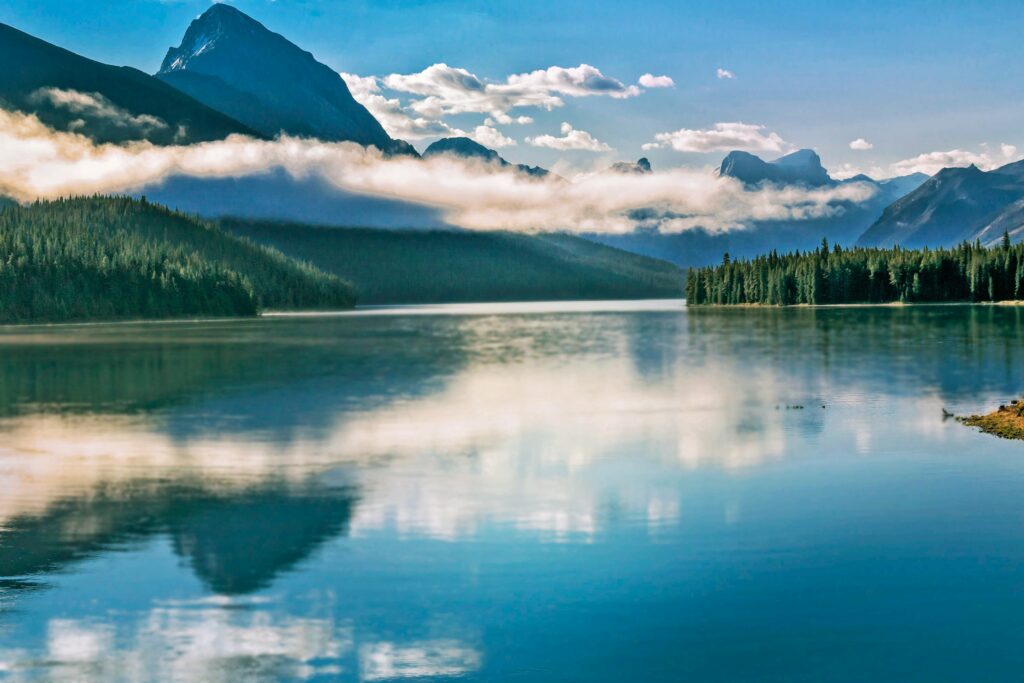
- Maligne Lake: Celebrated for the boat tour to Spirit Island, one of Canada’s most famous images.
- Athabasca Falls: Where the river drops 23 metres through a narrow quartzite canyon.
- Dark Sky Preserve: One of the world’s largest, where the Milky Way is visible to the naked eye.
Jasper vs. Banff: While Banff has more developed infrastructure, Jasper offers more space and an authentic wilderness atmosphere. Most visitors wish they had stayed longer in Jasper. Book a tour to Japer National Park.
3. Pacific Rim National Park Reserve – Ocean and Rainforest
Located on Vancouver Island, Pacific Rim is defined by the meeting of old-growth temperate rainforest and the open Pacific. It receives over 3,000 mm of rain annually, producing a landscape of extraordinary green.
- Long Beach: 16 kilometres of wild Pacific surf south of Tofino, popular with serious surfers.
- Broken Group Islands: An archipelago of 100 islands accessible by kayak, home to sea otters, seals, and whales.
- West Coast Trail: A demanding 75 km multi-day hike through forest and along sea stacks that requires advance booking.
Getting there: It requires a BC Ferries crossing to Nanaimo followed by a three-hour drive, or a 35-minute floatplane from Vancouver.

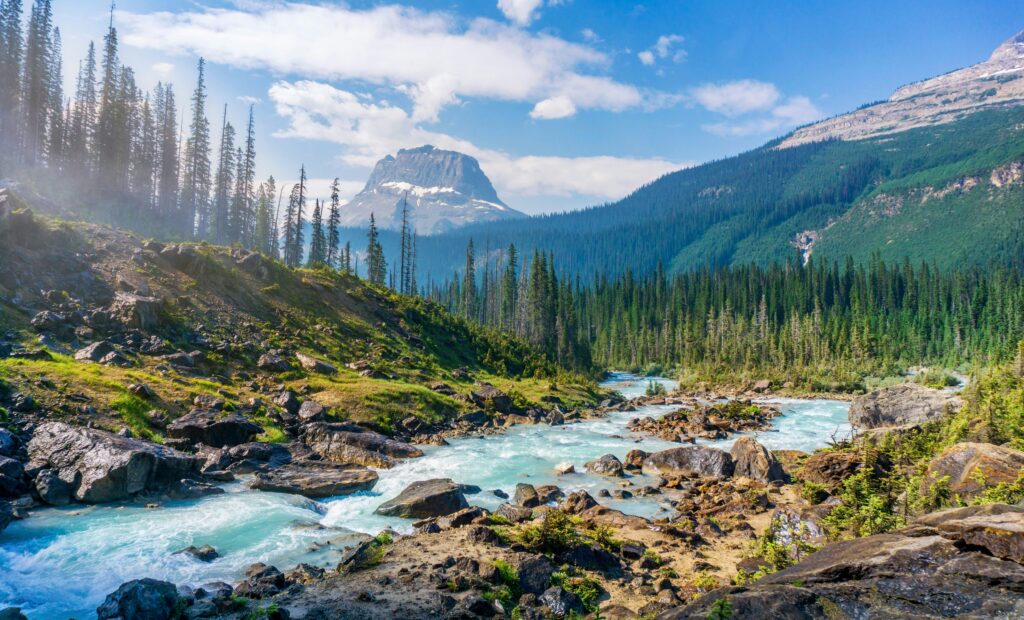
4. Yoho National Park – The Hidden Gem of the Rockies
Sitting just west of Banff, Yoho is often overlooked but contains landscapes every bit as beautiful as its neighbours.
- Emerald Lake: Arguably the most beautiful lake in the Rockies, with a deep green colour from fine rock flour. Unlike Moraine Lake, it does not require a shuttle or dawn alarm.
- Takakkaw Falls: Canada’s second-highest waterfall, fed by the Daly Glacier.
- Burgess Shale: A UNESCO site preserving Cambrian marine fossils, accessible by guided hike.
- Book a tour to Banff and Yoho national parks.
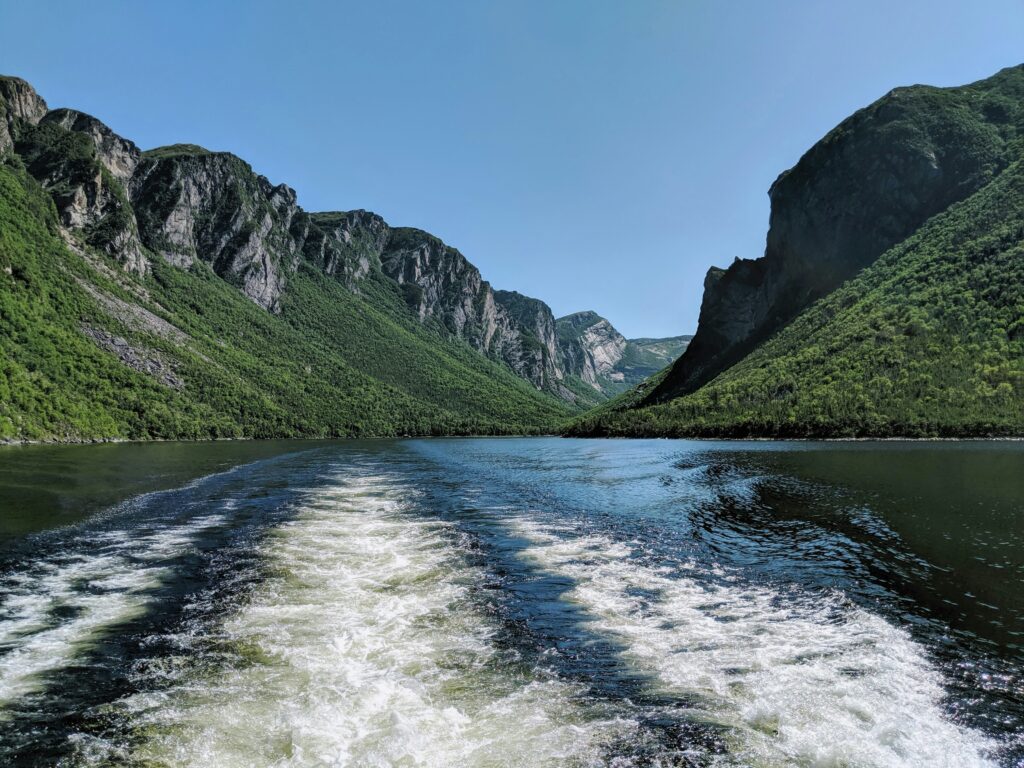
5. Gros Morne National Park – Unique Geology and Dramatic Fjords
Newfoundland’s Gros Morne offers a landscape with no equivalent in North America.
- The Tablelands: A massif of orange peridotite rock from the earth’s mantle, pushed to the surface by tectonic forces. It looks more like Mars than Canada.
- Western Brook Pond: A freshwater fjord with vertical walls rising 600 metres.
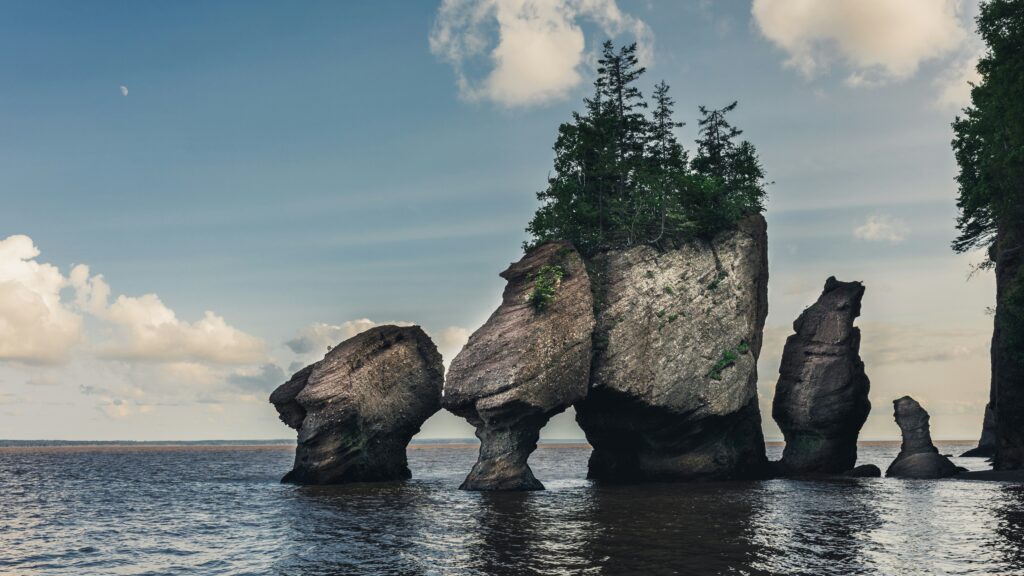
6. Fundy National Park – The World’s Highest Tides
The Bay of Fundy sees tidal ranges exceeding 16 vertical metres. At Hopewell Rocks, you can walk on the sea floor at low tide among 15-metre formations and kayak around those same rocks at high tide six hours later. Always check tide schedules before visiting.
- Book a tour to Fundy National park.
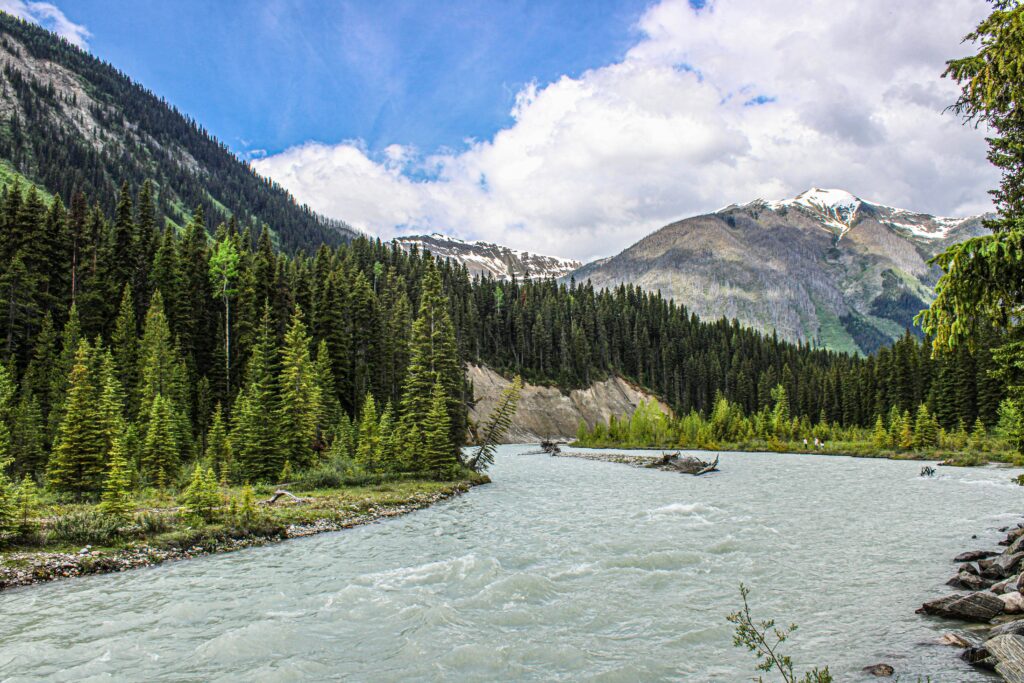
7. Kootenay National Park – The Underrated Choice
Bordering Banff to the south, Kootenay is often used merely as a transit corridor.
- Radium Hot Springs: Natural thermal pools at the base of Sinclair Canyon.
- The Paint Pots: Ochre springs used by Indigenous peoples for red pigment.
- Stanley Glacier Trail: A route through regenerating forest to a hanging glacier.
The Best Way to Experience National Parks in Canada: The Road Trip
The geographical logic of western Canada demands a road trip. A 2,000 km loop from Vancouver through the Rockies (Banff, Jasper, Yoho, Kootenay) and back through the Fraser Canyon is the gold standard. Allow 10 to 14 days for this route. A coast-to-coast expedition requires six to eight weeks.
Where to Stay While Visiting National Parks in Canada
- Banff: Hotels for all budgets, including the historic Fairmont Banff Springs.
- Jasper: The town is smaller; the Fairmont Jasper Park Lodge is a premier lakeside option.
- Pacific Rim: Tofino offers everything from luxury lodges to budget surf camps.
- Camping: All major campgrounds require advance reservations through Parks Canada. These open in April and sell out within hours.
Best Time to Visit National Parks in Canada
- Summer (June – September): Most active and accessible season.
- June: Good weather and full infrastructure before the peak crowds arrive.
- July & August: Peak season with maximum wildflowers but also maximum crowds.
- September: Best light for photography and the start of autumn colors.
National Parks in Canada
The best national parks in Canada aren’t just points on a map – they are places that shift your perspective on nature. From the jagged peaks of the west to the fjords of the east, Canada offers a scale of beauty that is difficult to find anywhere else on Earth. Once you see it for yourself, you’ll understand exactly why people keep coming back.
Plan Your Canada Trip:
- Canada Road Trip in Summer
- Vancouver Itinerary (2026)
- What to Do in Vancouver
- Vancouver in Summer
- 15 Best Things to Do in Montreal
FAQ: National Parks in Canada
How many national parks are in Canada?
There are 48 parks in Canada.
What is the best national park in Canada?
Banff is the most iconic; Jasper is best for wildlife and space; Gros Morne is unique for geology.
Do you need a car to visit national parks in Canada?
Yes – public transport won’t get you to the best trailheads.
Is the Discovery Pass for national parks in Canada worth it?
Yes, it pays for itself in just three park visits.
When is the best time to visit national parks in Canada?
Summer (June – September) is the best time to visit national parks in Canada.