Miami → Florida Keys → Key West → Everglades → Orlando → Tampa → Naples → Miami
Planning a Florida road trip? You are in for one of the finest and most varied self-drive travel experiences in the entire United States. Florida is the ultimate road trip state – a 500-mile stretch of peninsula that transitions from the cosmopolitan energy of Miami and the turquoise islands of the Florida Keys to the subtropical wilderness of the Everglades, the thrilling theme parks of Orlando, the Gulf Coast charm of Tampa and Naples, and back again – all in a single unforgettable loop.
Whether you are planning a 7-day Florida road trip or extending to a more leisurely 10-day Florida itinerary, this guide covers the perfect route, the best stops, day-by-day planning, where to stay, how much to budget, and all the essential tips you need to make your Florida road trip 2026 truly outstanding.
Tip: a rental car is absolutely essential for a Florida road trip. Public transport between Florida’s major destinations is limited, and many of the best experiences – the Overseas Highway, the Everglades, the Gulf Coast beaches – are only accessible by car. Book your Florida car rental well in advance, especially if traveling during spring break, Easter, or summer peak season.
Why Choose a Florida Road Trip?
Florida is consistently ranked as one of the best states in the USA for a road trip – and for very good reason. No other single state delivers such extraordinary variety across such manageable distances. In ten days of driving, you can experience world-class urban culture, iconic natural wonders, spectacular island scenery, and the concentrated magic of the greatest theme park destination on Earth.
Top reasons why a Florida road trip belongs on your travel list:
- Year-round warm weather – Florida’s subtropical climate makes it a viable road trip destination in every season, with no need to worry about snow or ice on the roads
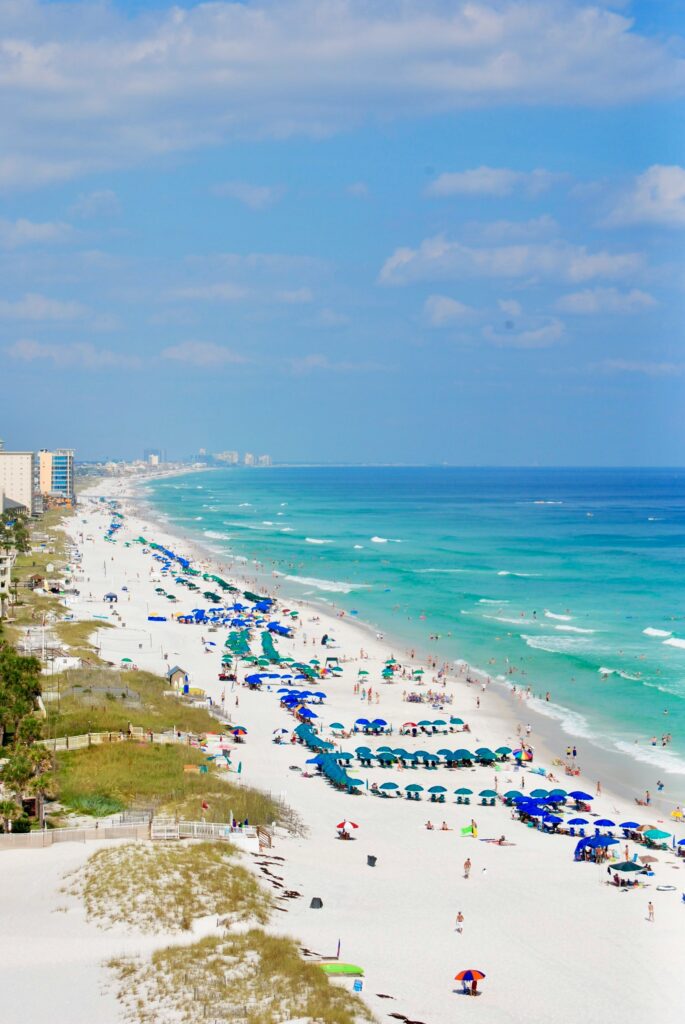
- Beautiful and diverse beaches – from the white coral sand of the Gulf Coast (Clearwater, Naples, Sanibel) to the Atlantic shores of Miami Beach and the turquoise flats of the Florida Keys, Florida’s beaches are extraordinary in their variety and quality
- World-famous theme parks – Orlando’s Walt Disney World, Universal Studios, and SeaWorld are reasons enough for many families to road trip to Florida
- Unique and irreplaceable nature – Everglades National Park is one of the most extraordinary ecosystems on Earth, found nowhere else. The Florida Keys‘ coral reefs are among the finest snorkelling and diving destinations in the USA.
- Vibrant, culturally diverse cities – Miami, Tampa, and Orlando each have distinct personalities and outstanding food, nightlife, and cultural scenes
- Flat, well-maintained roads – Florida’s highway network is excellent, distances are very manageable, and the famously flat terrain makes driving relaxed
- Flexible itinerary – the circular Miami → Keys → Everglades → Orlando → Gulf Coast → Miami route can be adapted easily to 7 days (fast pace), 10 days (comfortable pace), or 14+ days (extended exploration)
Florida Road Trip Route: The Perfect Loop
The most popular and rewarding Florida road trip route is a circular loop starting and ending in Miami – the state’s most cosmopolitan city and the most common arrival point for international visitors. This route covers the state’s greatest highlights in a logical geographic sequence, minimising backtracking and maximising variety:
- Recommended route: Miami → Florida Keys → Key West → Everglades National Park → Orlando → Tampa → Naples → Marco Island → Miami
- Total approximate driving distance: 900–1,100 km depending on detours
- Recommended duration: 7 days (fast pace) to 10 days (comfortable pace)
Route Overview by Region
Days 1–2: Miami – urban exploration, South Beach, Wynwood, Little Havana
Day 3: Florida Keys and Key West – the legendary Overseas Highway drive and Key West sunset
Day 4: Everglades National Park – airboat tours, wildlife, and subtropical wilderness
Days 5–6: Orlando – Walt Disney World and Universal Studios
Day 7: Tampa – Busch Gardens, Ybor City, and the Gulf Coast transition
Days 8–9: Naples and the Gulf Coast – pristine beaches, sunset dinners, and total relaxation
Day 10: Return to Miami – final stop on the Gulf Coast and drive back along Alligator Alley
Day-by-Day Florida Road Trip Itinerary
Days 1–2: Miami – Start Your Florida Road Trip in Style
Begin your Florida road trip where almost every great Florida adventure begins – Miami. One of the most exciting, diverse, and visually stunning cities in the United States, Miami is a destination in its own right that deserves at least two full days before you hit the road. The city’s extraordinary combination of Art Deco architecture, world-class beaches, Latin culture, and international nightlife makes it a compelling and high-energy launch pad for your journey.
Day 1: South Beach, Ocean Drive, and Wynwood
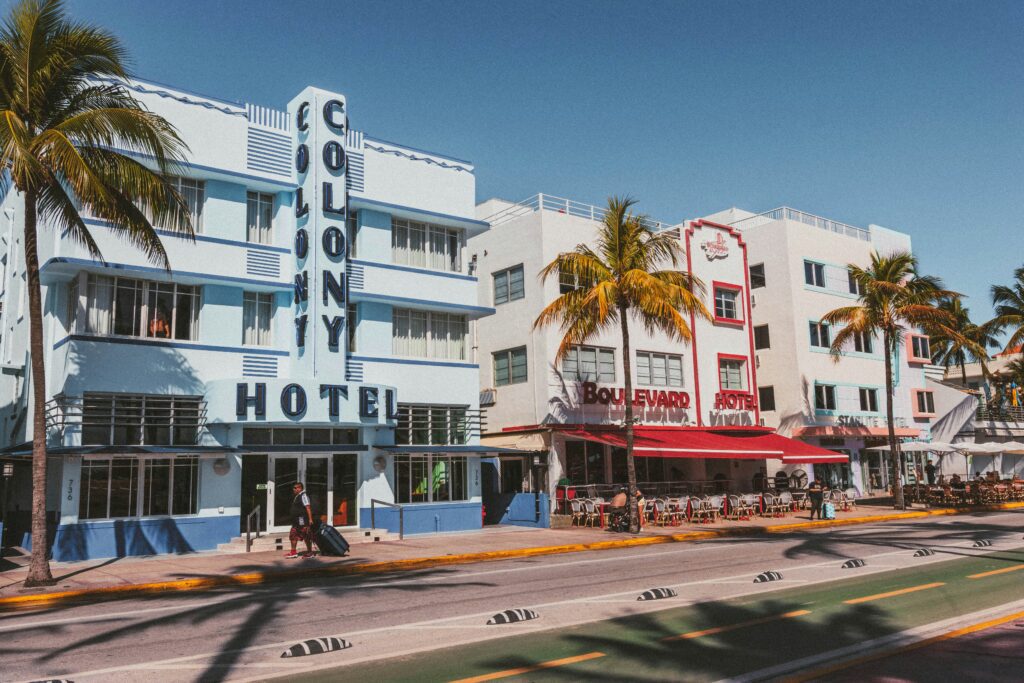
Spend your first day on South Beach – the iconic stretch of white sand and Atlantic ocean that has made Miami one of the most photographed cities in the world. The morning is perfect for the beach before the crowds peak; by midday, explore the Art Deco Historic District along Ocean Drive — the restored 1930s facades in pastel colours are genuinely extraordinary. In the afternoon, take a taxi or Uber to Wynwood, Miami’s arts district, where the Wynwood Walls – the world’s first curated outdoor street art museum – is one of the most visually spectacular urban experiences in Florida.
- South Beach – arrive by 9am for the best beach experience before crowds peak
- Ocean Drive and the Art Deco Historic District – self-guided walking tour of the restored 1930s buildings
- Wynwood Walls – entry approximately $12. Allow 1.5 hours. The surrounding neighbourhood has excellent restaurants and cocktail bars for dinner.
- Evening dinner in Wynwood – one of Miami’s best restaurant neighbourhoods, with excellent variety at all price points
Day 2: Little Havana, Brickell, and Biscayne Bay
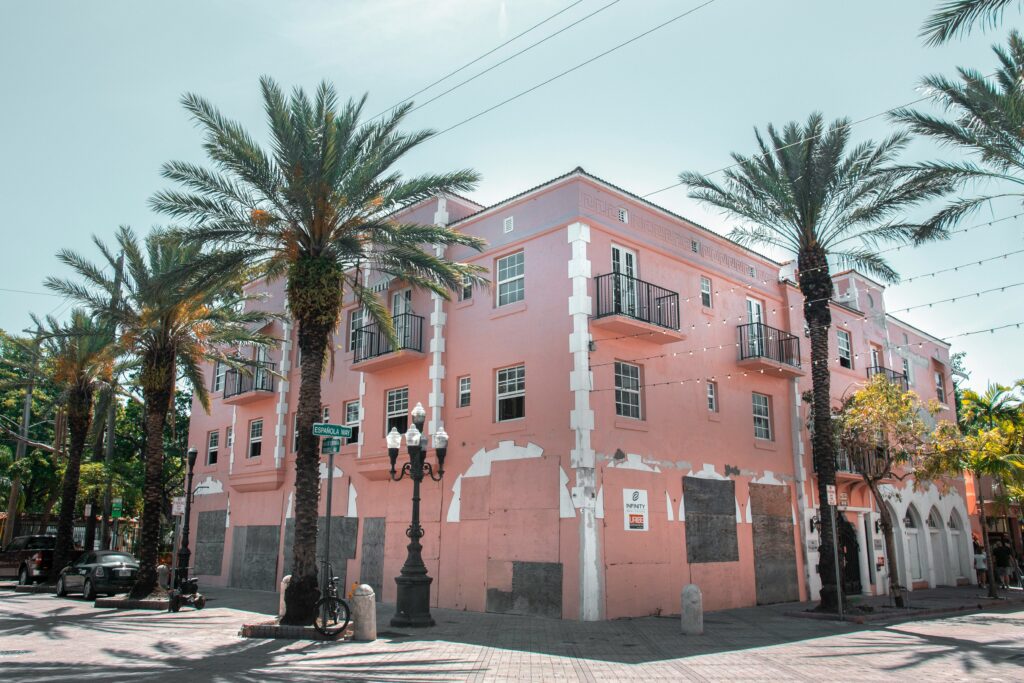
Day 2 takes you deeper into Miami’s cultural fabric. Start with Little Havana – the heart of Miami’s Cuban-American community, where Calle Ocho is lined with cigar shops, domino players in Maximo Gomez Park, and excellent Cuban restaurants. The legendary Versailles restaurant is a must for lunch – a Cuban-American institution serving the finest Cuban food in Miami in an extraordinary mirrored dining room.
- Little Havana and Calle Ocho – explore in the morning when the neighborhood is most authentic
- Versailles Restaurant – lunch. Order the ropa vieja, the Cuban sandwich, or the croquetas. Budget approximately $15–$25 per person.
- Brickell and Downtown Miami – afternoon exploration of Miami’s sleek financial district, the Pérez Art Museum Miami (PAMM), and Bayside Marketplace
- Biscayne Bay boat tour – departing from Bayside Marketplace, these 90-minute tours offer spectacular views of the Miami skyline, South Beach, and Star Island
- Collect your rental car this afternoon or tomorrow morning – you won’t need it in the city, but you’ll need it for Day 3
Day 1–2 Practical Information
- Where to stay in Miami: South Beach for the classic Miami experience (hotels from $150–$500+/night); Brickell or Downtown for better value and easy car rental access ($100–$300/night)
- Car rental: pick up from Miami International Airport or a city centre branch. OTS Rent-a-Car, Times Car Rental, and all major international brands operate in Miami. Book well in advance.
- For a comprehensive guide to Miami’s neighborhoods and attractions, see the full guide to what to do in Miami
Day 3: Florida Keys and Key West – The Overseas Highway
Florida Keys
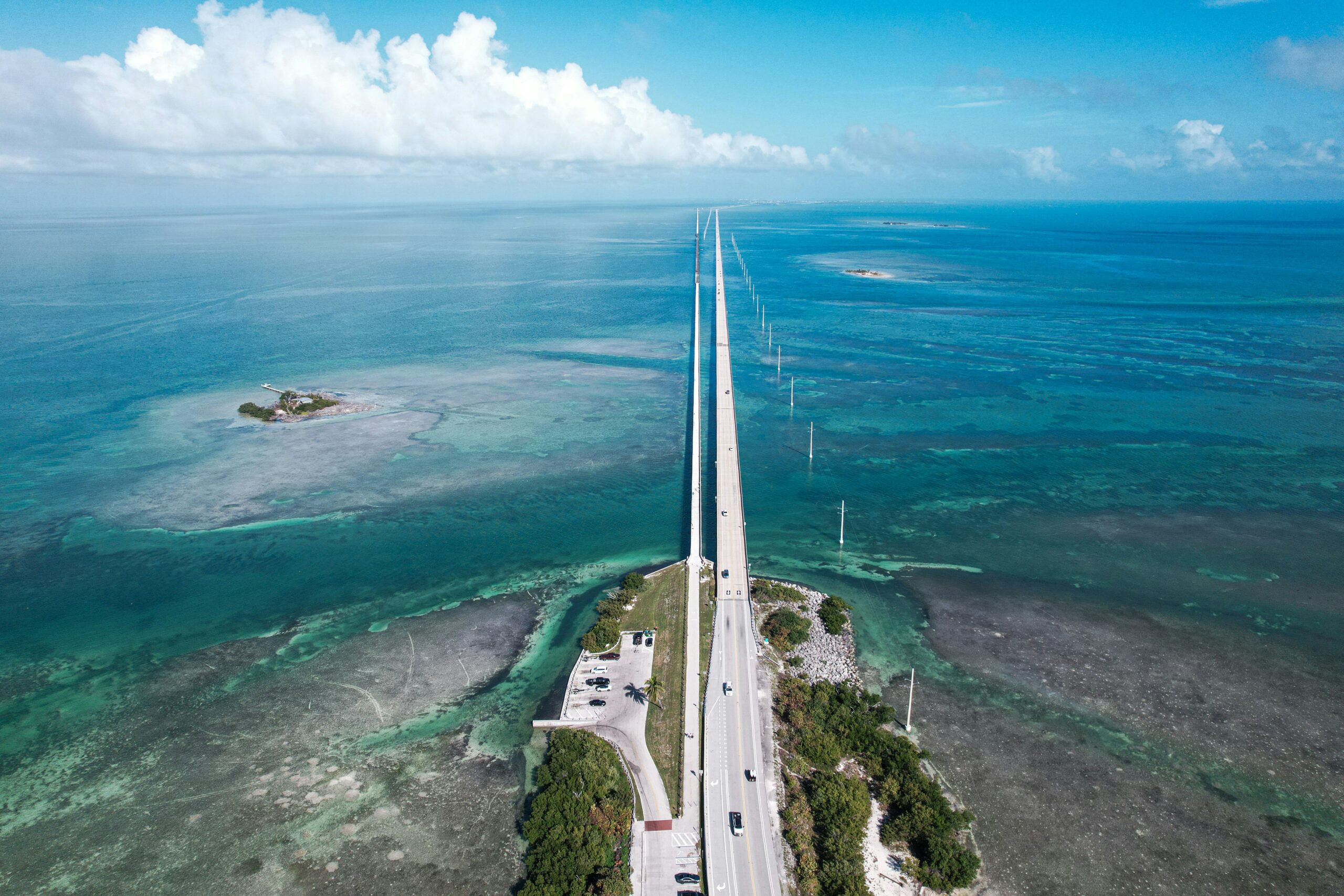
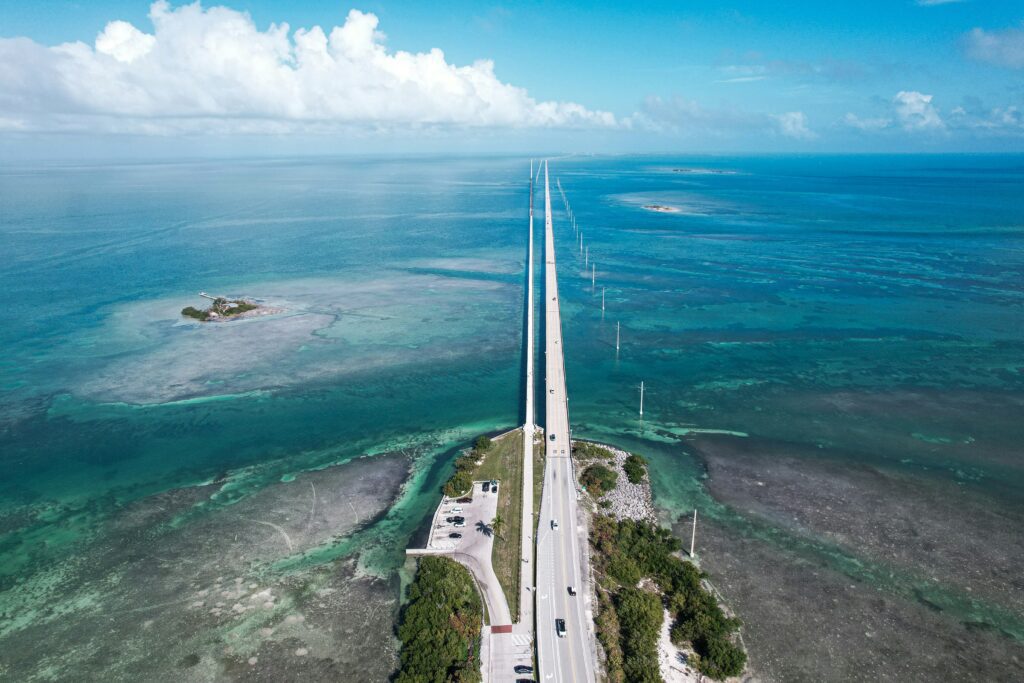
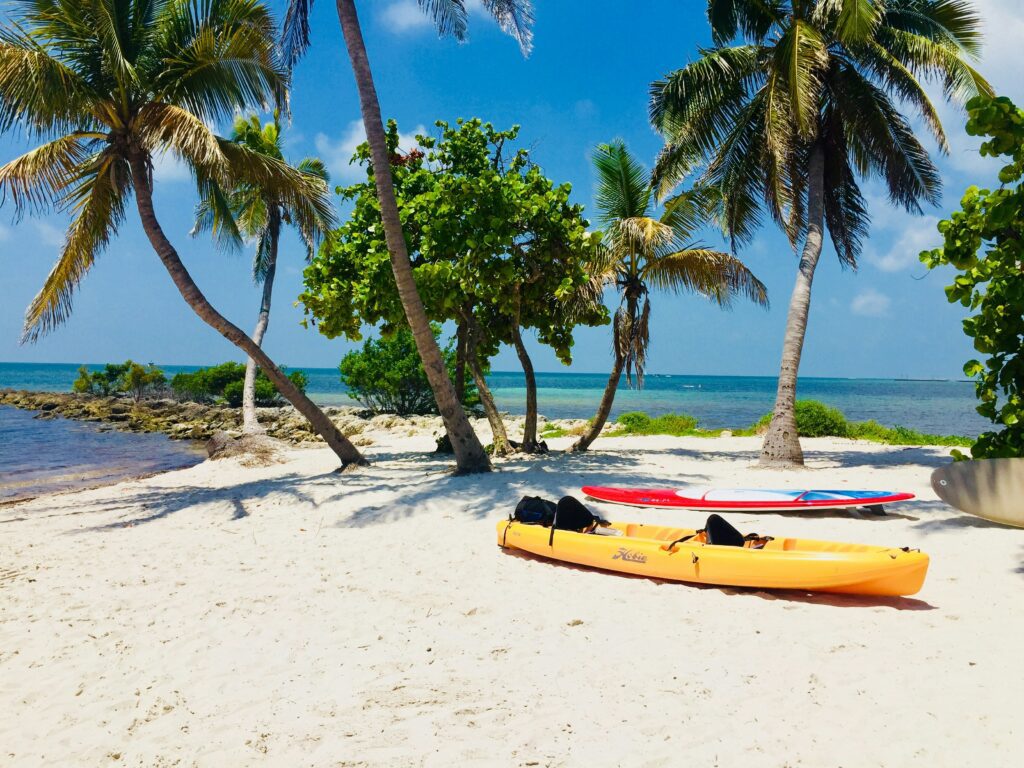
Day 3 of your Florida road trip features one of the most iconic and spectacular drives in the entire United States – the Overseas Highway (US-1) from Florida City south to Key West. The highway stretches 113 miles across 42 bridges over the shimmering waters of the Florida Straits, connecting a chain of coral islands – the Florida Keys – that become progressively more tropical, more relaxed, and more extraordinary the further south you drive. This is a drive that genuinely changes how you think about road trips.
- Tip: start early – ideally leaving Miami by 7:30–8:00am. The drive to Key West takes 3.5 to 4 hours non-stop, but you should plan to stop at least 3 to 4 times along the way. Traffic near Miami can be slow in the morning rush, and the best light for photography is in the morning.
Key Stops on the Overseas Highway
Key Largo – the first and largest key, known as the Diving Capital of the World. John Pennekamp Coral Reef State Park offers snorkelling and glass-bottom boat tours on the only living coral reef in the continental USA. Stop for a quick snorkel if time allows – it is genuinely extraordinary.
Islamorada – the Sport Fishing Capital of the World, with excellent waterside seafood restaurants, art galleries, and the beautiful Theatre of the Sea marine attraction. Anne’s Beach is a lovely stop for a quick swim.
Seven Mile Bridge (Marathon) – the most dramatic structure on the Overseas Highway, one of the longest bridges in the world and one of the most photographed sights in Florida. The old bridge running alongside is now a pedestrian and cycling path with incredible views. Stop at the Pigeon Key area for photographs.
Bahia Honda State Park – one of the finest state parks in Florida and arguably the most beautiful beach in the Keys. Turquoise water, fine sand, and excellent snorkelling make this worth a 1-hour stop.
Key West – the end of the road, 90 miles from Cuba and the southernmost point in the continental United States. Arrive by mid-afternoon to have time to explore before sunset.
Key West Highlights
Key West is one of the most atmospheric and distinctive towns in the United States – a compact island city of wooden Victorian houses, bougainvillea-draped gardens, world-class seafood, and the legendary sunset celebration at Mallory Square, where the entire town gathers nightly to watch the sun drop into the Gulf of Mexico. Given that you will likely arrive in the late afternoon, focus on the essentials:
Mallory Square sunset celebration – street performers, local artisans, and the entire island’s social life converge for the daily sunset ritual. Arrive 45 minutes before sunset for a good spot.
Duval Street – Key West’s famous main street, lined with bars, restaurants, and shops
Ernest Hemingway Home and Museum – if arriving early enough, a 30-minute visit to Hemingway’s beloved Key West home (and its famous six-toed cats) is worth it
Sunset dinner at a waterfront restaurant – the fish tacos, grilled mahimahi, and Key lime pie are unmissable
Day 3 Practical Information
- Driving distance: Miami to Key West approximately 165 miles (265 km) – allow 4 to 5 hours with stops
- Where to stay in Key West: boutique guesthouses in Old Town from $150–$400/night. The Marker Key West Waterfront Resort and the Casa Marina are excellent options.
- Return option: if not spending the night, drive back to Homestead or Florida City to be closer to the Everglades for Day 4 – saves approximately 1 hour of driving
Day 4: Everglades National Park – Into the Subtropical Wilderness
Everglades National Park
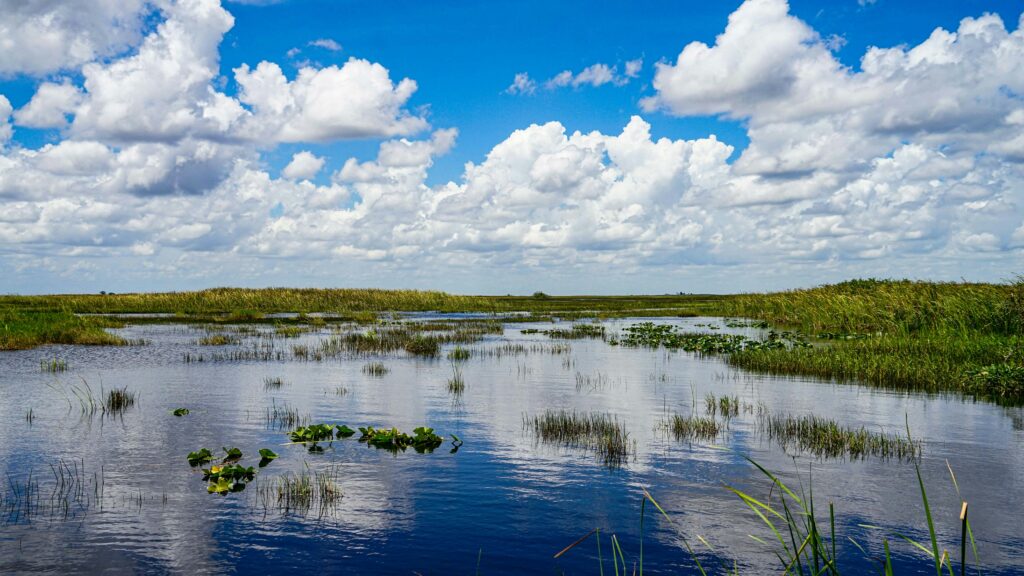
Everglades National Park is one of the most extraordinary natural places in the United States – a vast, slow-moving river of grass, mangrove forest, and subtropical wilderness that covers 1.5 million acres and is home to American alligators, West Indian manatees, Florida panthers, American crocodiles, and over 360 species of birds. It is a UNESCO World Heritage Site, an International Biosphere Reserve, and a Ramsar Wetland of International Importance – and it is genuinely unlike anywhere else on Earth.
From Key West, drive north on US-1 to Florida City, then follow the signs to the Ernest F. Coe Visitor Center at the main park entrance. Alternatively, access the Shark Valley section from the Tamiami Trail (US-41) – one of the most wildlife-rich sections of the park.
Best Activities in Everglades National Park
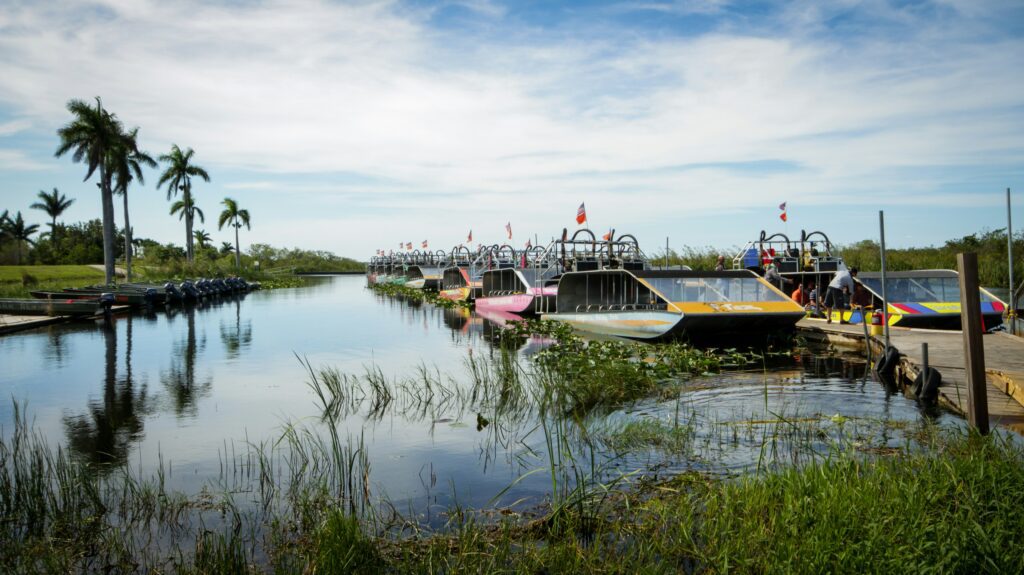
- Airboat tours – the fastest, most thrilling, and most child-friendly way to experience the Everglades. Tours typically run 60 to 90 minutes through the sawgrass prairies with near-guaranteed alligator sightings. Several commercial operators run from Everglades City and the park’s western entrance. Budget approximately $30–$50 per adult.
- Anhinga Trail (near Ernest F. Coe entrance) – a short (0.8-mile) boardwalk trail that is arguably the finest wildlife-watching walk in Florida. In winter and spring, anhingas, herons, egrets, alligators, and turtles are visible from the boardwalk at extraordinarily close range. One of the most accessible nature experiences in any national park in the USA.
- Gumbo Limbo Trail – a loop trail through dense tropical hardwood hammock forest, offering a completely different ecosystem perspective from the open sawgrass prairies
- Shark Valley Tram Tour – a 15-mile narrated tram journey through the heart of the Everglades, with an observation tower at the midpoint offering panoramic views over the river of grass. Excellent for families and highly recommended. Approximately $27 per adult, $13 per child.
- Kayaking and canoeing – the park’s backcountry waterways offer some of the finest paddling in the USA. The Hell’s Bay Canoe Trail and the Nine Mile Pond Canoe Trail are outstanding. Kayak rentals available near the park entrances.
- Wildlife spotting – alligators are almost guaranteed along most park roads and trails. In winter, manatees gather in warm water springs near the park’s coastal areas. Roseate spoonbills, wood storks, and bald eagles are regularly spotted.
Day 4 Practical Information
- Park entrance fee: $35 per vehicle (valid for 7 days) – America the Beautiful annual pass covers entry
- Where to stay: Homestead and Florida City (just outside the park’s main entrance) have affordable hotel options from $80–$150/night. Camping within the park is available but must be booked in advance.
- Driving from Key West to Everglades: approximately 100 miles to Florida City, 1.5–2 hours. Continue on Tamiami Trail (US-41) toward Naples after visiting.
- Best time to visit: November through April offers the finest wildlife viewing conditions – drier weather concentrates wildlife at water sources and reduces mosquito activity
Days 5–6: Orlando – The Theme Park Capital of the World
Orlando, Central Florida
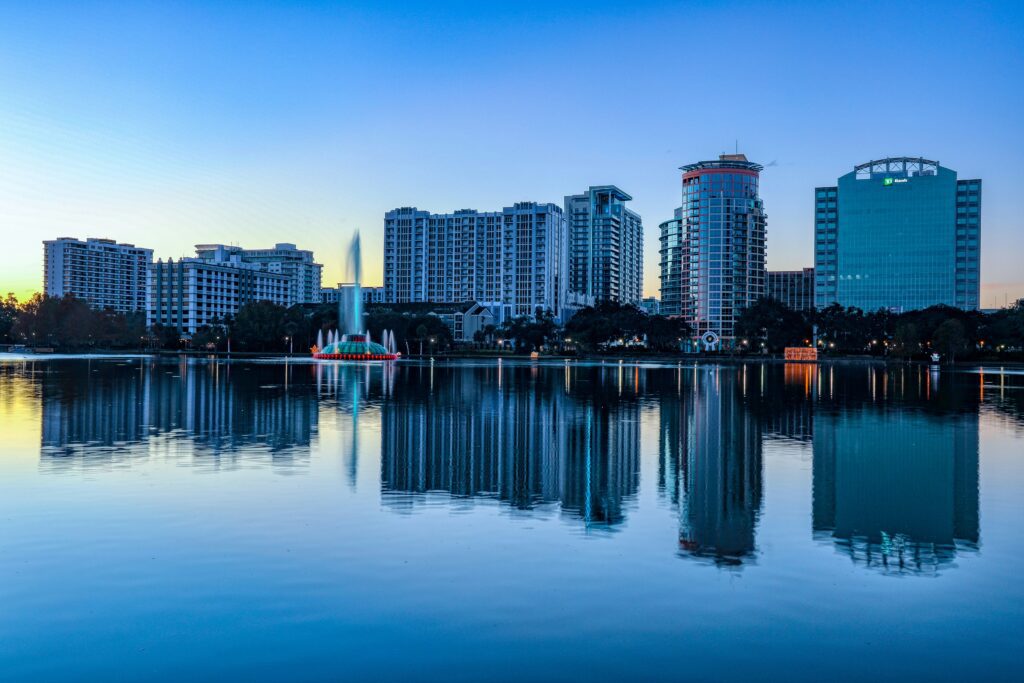
Orlando is the theme park capital of the world – home to more major theme parks per square mile than anywhere else on Earth, and the reason millions of families choose Florida as their road trip destination every year. After the natural wonders of the Everglades, arriving in Orlando feels like a complete shift of reality – which is, of course, entirely the point. Two days here gives you time to experience two major parks without completely exhausting yourselves.
Driving from the Everglades to Orlando takes approximately 3.5 to 4 hours via the Tamiami Trail and Florida’s Turnpike. The Tamiami Trail section passes through the Everglades and Big Cypress National Preserve, offering additional wildlife spotting opportunities en route.
Day 5: Walt Disney World
Walt Disney World near Orlando is the most visited theme park resort in the world – four theme parks, two water parks, Disney Springs shopping and entertainment district, and more than 30 resort hotels spanning 25,000 acres of Central Florida. For most families, a single day at Disney World is a significant compression of what deserves much longer – but with planning, you can experience the essential highlights of one park in a day.
- Magic Kingdom – the classic Disney experience, home to Cinderella Castle, Space Mountain, Haunted Mansion, Pirates of the Caribbean, and the iconic nightly fireworks show. The most visited theme park in the world.
- EPCOT – particularly recommended during spring when the International Flower & Garden Festival is running. A more adult-oriented park with world pavilions, excellent food, and Guardians of the Galaxy: Cosmic Rewind.
- Tip: use the My Disney Experience app and book Lightning Lane passes in advance. Arrive at park opening time. Make dining reservations 60 days in advance for the most popular restaurants.

- Park tickets: from approximately $109–$189 per person per day depending on date and park – book well in advance online
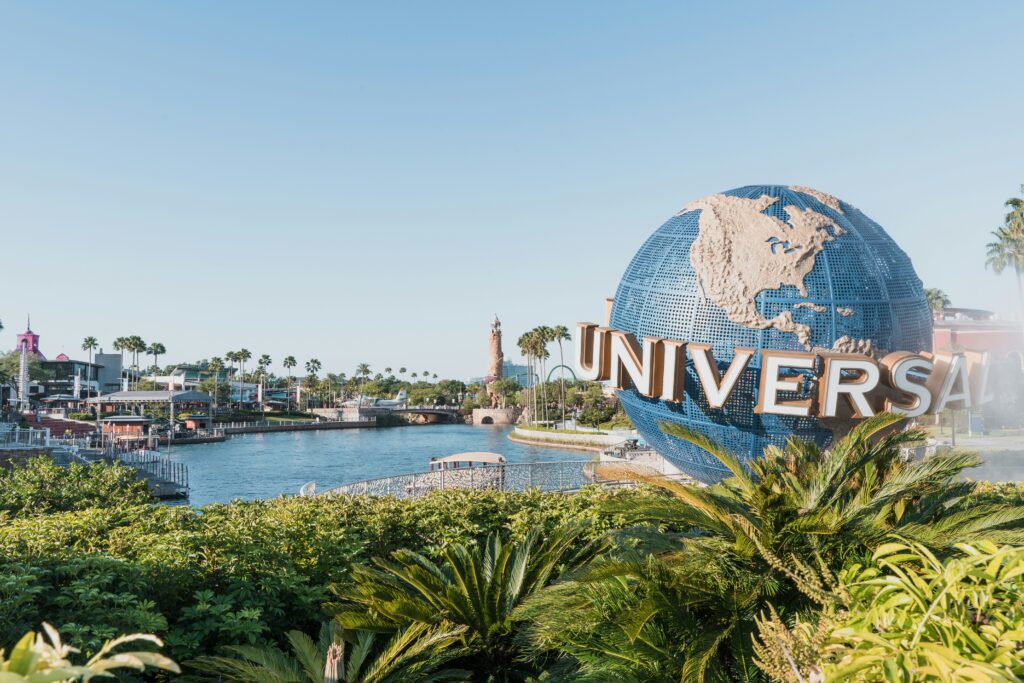
Day 6: Universal Orlando Resort
Universal Orlando Resort is the best alternative to Disney for older children and adults – a theme park resort with a distinctly more thrilling and cinematic energy. The Wizarding World of Harry Potter — split across both Universal Studios Florida and Islands of Adventure — is the most immersive and elaborately designed theme park environment in the world, and alone justifies the visit.
- Islands of Adventure – home to the Wizarding World of Harry Potter, Jurassic World, Marvel Super Hero Island, and some of the finest thrill rides in Florida
- Universal Studios Florida – home of Diagon Alley (the second Harry Potter area), The Simpsons Ride, and Hollywood-themed attractions
- Epic Universe – Universal’s newest and most ambitious theme park, opening in 2025. By 2026, this addition will have transformed Universal Orlando into a three-park resort of extraordinary scale and variety
- Park tickets: from approximately $119–$169 per person per day – multi-park passes offer better value for two parks
For a comprehensive comparison of Orlando’s theme parks and practical planning advice, see the full guide to theme parks in Florida.
Days 5–6 Practical Information
- Where to stay in Orlando: International Drive area offers the best range of hotels near all major theme parks. Budget options from $80/night; family resorts from $150–$250/night; Disney and Universal on-site resorts from $200–$500+/night
- Getting around Orlando: a car is essential. Theme park car parks are clearly signposted and well organised – purchase parking in advance where possible
- Advance planning is critical for Orlando: book park tickets, dining reservations, and Lightning Lane passes weeks before arrival
Day 7: Tampa – Gulf Coast Energy and Busch Gardens
Tampa, Gulf Coast
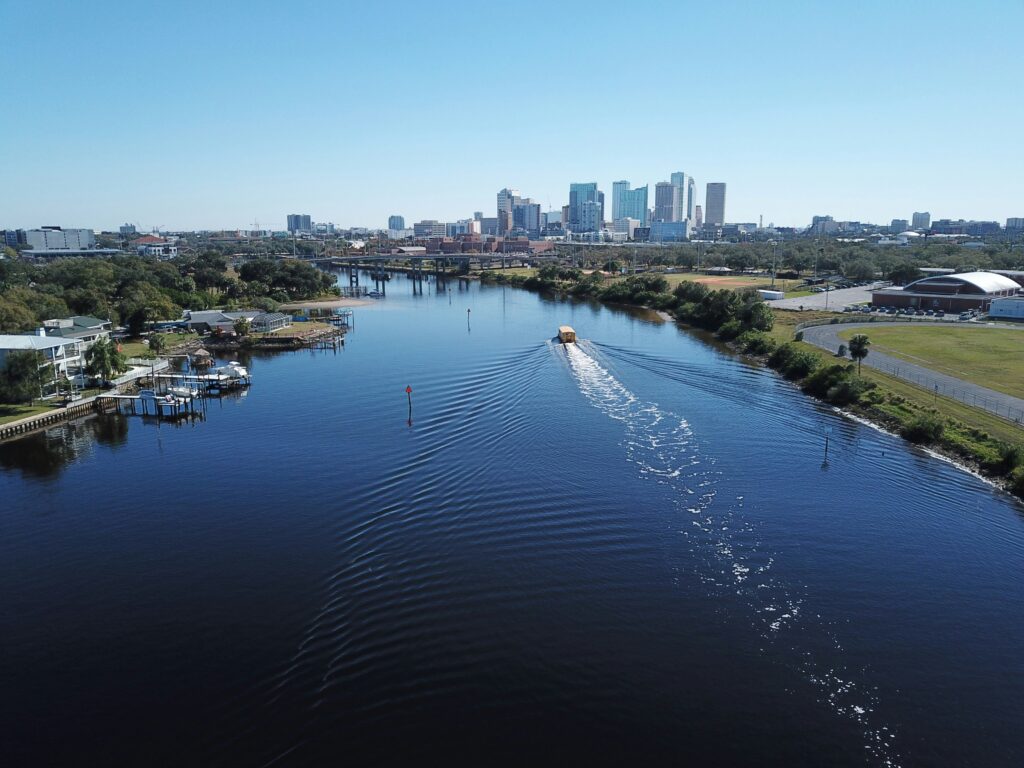
From Orlando, the drive west to Tampa takes approximately 1 to 1.5 hours via I-4 – one of the most straightforward drives on the entire Florida road trip route. Tampa is one of Florida’s most underrated cities – a vibrant, rapidly growing destination with outstanding food, a fascinating history in Ybor City, beautiful waterfront infrastructure along the Tampa Riverwalk, and the family favorite of Busch Gardens Tampa for those who want one more theme park experience.
Tampa Highlights
- Busch Gardens Tampa – an excellent combination of wildlife encounters and theme park thrills, home to some of the most impressive roller coasters in Florida alongside a substantial African animal collection. Roller coasters include Cheetah Hunt, Montu, and Iron Gwazi – the latter one of the finest wooden roller coasters in the USA. Admission approximately $85–$115 per person – book online.
- Tampa Riverwalk – a beautifully developed 2.6-mile waterfront pedestrian and cycling path along the Hillsborough River, connecting major attractions including the Florida Aquarium, Amalie Arena, and the Tampa Museum of Art. Perfect for an afternoon walk.
- Florida Aquarium – one of the finest aquariums in the southeastern USA, home to coral reef exhibits, a stunning Wetlands Gallery, and daily dive shows. Excellent for families. Admission approximately $30 adult, $22 child.
- Ybor City – Tampa’s historic Cuban cigar-rolling district, now one of the liveliest restaurant and nightlife neighborhoods in Florida. The Columbia Restaurant, opened in 1905 and the oldest continuously operating restaurant in Florida, serves outstanding Spanish-Cuban cuisine in a spectacular flamenco-show dining room.
- Hyde Park Village – Tampa’s most charming shopping and dining neighborhood, with excellent brunch restaurants and independent boutiques in a walkable tree-lined setting
Day 7 Practical Information
- Where to stay in Tampa: Hyde Park and Channel side neighborhood hotels offer the best location for exploring the city. Budget from $100/night; mid-range from $150–$250/night.
- Driving distance: Orlando to Tampa approximately 85 miles (137 km) – 1 to 1.5 hours via I-4
- Optional extension: if skipping Busch Gardens, use Day 7 to explore Clearwater Beach (approximately 30 minutes from Tampa) – consistently rated one of the best beaches in the USA
Days 8–9: Naples and the Gulf Coast – Relaxation and Pristine Beaches
Naples · Gulf Coast
After the intensity of theme parks and city exploration, Naples and Florida’s southwestern Gulf Coast provide the perfect counterpoint —‘- a stretch of some of the finest and most pristine beaches in the United States, exceptional seafood, world-class golf, and a genuinely relaxed, upscale atmosphere that is completely different from Miami or Orlando. If any section of the Florida road trip will make you want to extend your stay, it is this one.
The drive from Tampa to Naples takes approximately 2 to 2.5 hours via I-75 (Alligator Alley), passing through the northern edge of the Everglades and Big Cypress National Preserve – a flat, open drive through subtropical landscape that is beautiful in its own quiet way.
Naples Highlights
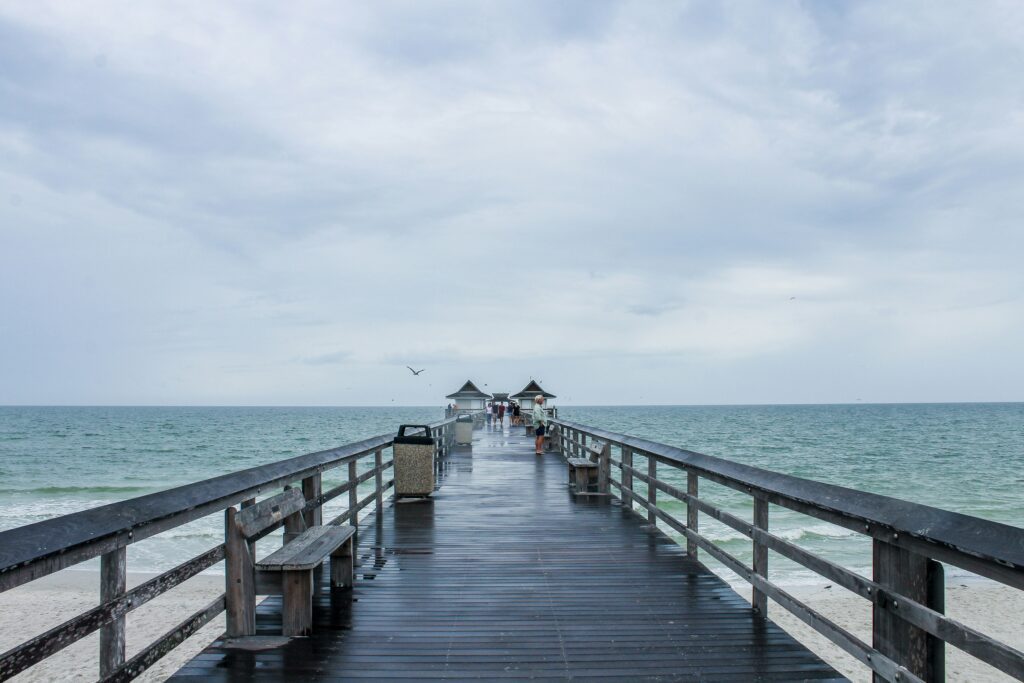
- Naples Beach – one of the finest urban beaches in Florida. The water is extraordinarily calm and clear, the sand is fine and white, and the beach is wide and generally uncrowded outside peak season. The Naples Pier, extending 1,000 feet into the Gulf, is one of the most photographed structures on the Gulf Coast.
- Fifth Avenue South – Naples‘ beautiful main shopping and dining boulevard, lined with upscale restaurants, art galleries, and boutiques. An excellent spot for dinner on your first Naples evening – try the fresh grouper, Florida stone crab (in season), or shrimp at any of the waterfront seafood restaurants.
- Third Street South – a charming neighbourhood of bistros, galleries, and gardens a short walk from the beach. More relaxed than Fifth Avenue and excellent for morning coffee.
- Corkscrew Swamp Sanctuary – a spectacular National Audubon Society wildlife sanctuary approximately 30 miles northeast of Naples, home to one of the finest old-growth bald cypress forests in North America. The 2.5-mile boardwalk through ancient cypress trees draped in Spanish moss is one of the most atmospheric walks in Florida. Free with Audubon membership; approximately $17 adult otherwise.
- Everglades Rookery at Corkscrew – between December and April, the sanctuary hosts one of the largest wood stork nesting colonies in the USA, with thousands of birds visible from the boardwalk
Marco Island – Optional Day Trip
Just 15 minutes south of Naples, Marco Island is a barrier island with a beautiful beach – Tigertail Beach on the island’s northwest coast is particularly spectacular, with shallow, calm water ideal for wading and shell collecting. Marco Island has a laid-back, upscale resort atmosphere and excellent seafood restaurants along the waterfront. An excellent half-day addition to your Naples stay.
Sanibel and Captiva Islands – Optional Day Trip North
Approximately 45 minutes north of Naples (near Fort Myers), Sanibel Island is internationally famous for shell collecting – the island’s unusual east-west orientation causes an exceptional concentration of shells to wash ashore, making it one of the best shelling destinations in the world. Captiva Island, connected to Sanibel by a bridge, is even more remote and beautiful, with a charming village centre and stunning Gulf sunsets.
Days 8–9 Practical Information
Where to stay in Naples: beachfront resorts from $250–$600+/night during peak season; boutique hotels and B&Bs in Old Naples from $150–$350/night
Driving distance: Tampa to Naples approximately 130 miles (209 km) – 2 to 2.5 hours via I-75
Best season for Naples: December through April. May and June are shoulder season with lower prices. July through October is hurricane season – still enjoyable but with weather risks.
Day 10: Return to Miami – The Final Drive
Naples → Miami
The final leg of your Florida road trip – the drive from Naples back to Miami – is one of the most straightforward and, in its own way, one of the most beautiful legs of the entire journey. From Naples, take I-75 east (Alligator Alley) across the width of the Florida peninsula through Big Cypress National Preserve and the northern Everglades. The drive takes approximately 2 to 2.5 hours without stops – a flat, straight highway across a vast and extraordinary landscape.
Options for Your Final Day
Early morning beach walk in Naples – make the most of your final Gulf Coast morning with a sunrise walk along Naples Beach before departing. The light at dawn on the Gulf is extraordinary.
Stop at Everglades City or Fakahatchee Strand Preserve State Park – if you didn’t visit the western Everglades on Day 4, the drive along US-41 (Tamiami Trail) offers additional Everglades access and excellent wildlife spotting
Arrive back in Miami by early afternoon – if your flight is the following day, spend a final afternoon in Coconut Grove, Design District, or Bayside for last shopping and a farewell dinner
Coral Gables and Miracle Mile – Miami’s most elegant neighbourhood, with the beautiful Venetian Pool and the extraordinary Biltmore Hotel worth exploring on a final Miami afternoon
Airport return – Miami International Airport (MIA) is straightforward to reach from anywhere in Miami. Return your rental car with plenty of time – Miami airport rental car centres are large and the return process can take 30–45 minutes
Optional: Extend with a Caribbean Cruise
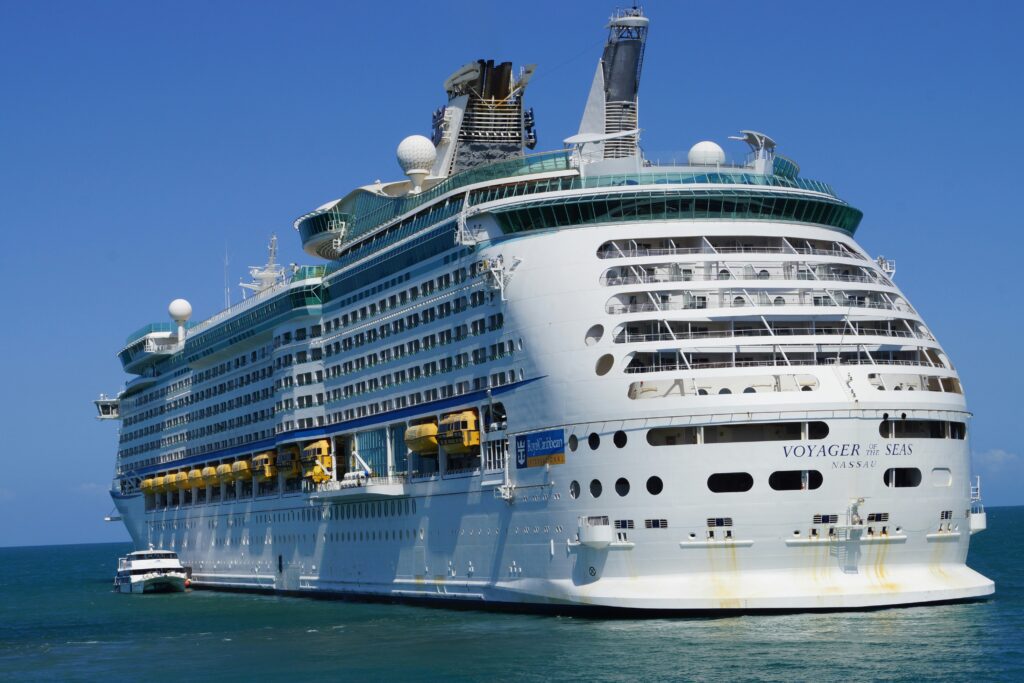
Miami is the Cruise Capital of the World – the Port of Miami handles more cruise passengers than any other port on Earth, and Caribbean cruises from Miami are one of the most popular travel add-ons to a Florida road trip. Cruise lines including Royal Caribbean, Carnival, Norwegian, MSC, and Celebrity all operate from Miami, with sailings to the Bahamas, Jamaica, Cayman Islands, Cozumel, and private cruise islands. Combining your Florida road trip with a 3 to 7-night Caribbean cruise is one of the most popular and well-organised Florida travel itineraries available.
Where to Stay on Your Florida Road Trip
Choosing the right accommodation for each stop on your Florida road trip makes an enormous difference to the overall experience. Here is a guide to the best options at each destination:
Miami
For the best Miami beach hotel experience, stay in South Beach – Art Deco boutique hotels from $150/night, luxury hotels from $350–$700+/night. For better value and easier car access, Brickell or Downtown Miami offer excellent hotels from $100–$250/night. Book 3 to 6 months in advance for peak season.
Key West
Key West boutique hotels and guesthouses in Old Town are the best option – walking distance to Mallory Square and Duval Street. Budget $150–$300/night for mid-range; luxury resorts from $350–$600+/night. The island is small – location matters less than on the mainland.
Everglades Area
Homestead and Florida City (just outside the main park entrance) offer affordable chain hotels from $80–$150/night. Camping within the national park is available at several designated campgrounds -book well in advance through recreation.gov.
Orlando
The International Drive area provides the widest range of accommodation near all major theme parks – budget options from $80/night, family resorts from $150–$250/night, Disney and Universal on-site resorts from $200–$500+/night. Staying on-site at Disney or Universal provides early park entry benefits that can be worth the premium during peak season.
Tampa
The Hyde Park and Channelside neighborhoods are the most characterful and convenient bases for exploring Tampa. Mid-range hotels from $120–$200/night. The Epicurean Hotel in Hyde Park is outstanding for food lovers – the rooftop bar is excellent.
Naples
Old Naples boutique hotels and beachfront resorts provide the finest accommodation experience. The Inn on Fifth (Fifth Avenue South), LaPlaya Beach & Golf Resort, and the Naples Beach Hotel & Golf Club are all excellent options. Prices from $150–$600+/night depending on season.
Florida Road Trip Tips: Essential Practical Advice
Rent a Car – Non-Negotiable
A Florida car rental is absolutely essential for this road trip – there is no practical alternative. Public transport between Florida’s major destinations is extremely limited, and many of the best experiences (the Overseas Highway, the Everglades, the Gulf Coast beaches, Sanibel Island) are inaccessible without a car. Book your rental as early as possible – demand is high during Florida’s peak travel periods (spring break, Easter, summer, Christmas) and prices rise significantly as the rental date approaches. Miami International Airport (MIA) is the most convenient pickup and drop-off location for this circular itinerary.
- Book through major international companies (Hertz, Avis, Budget, Enterprise) or local Florida companies (OTS Rent-a-Car) for competitive prices
- International Driving Permit required for many non-US licence holders – check requirements for your nationality
- Budget approximately $35–$60 per day for a compact or mid-size car, plus fuel
Consider a larger vehicle (SUV or minivan) for families – Florida’s flat roads make SUVs very comfortable for longer drives
Plan Fuel Stops
Florida’s distances can catch visitors by surprise – particularly the Overseas Highway to Key West (no petrol stations for long stretches), the Alligator Alley (I-75) crossing of the Everglades (long straight highway with limited services), and some parts of the Gulf Coast. Fill your tank before entering remote sections and carry water in the car. Petrol prices in Florida are broadly in line with the US national average – approximately $3.00–$4.00 per gallon in 2026.
Avoid Peak Traffic Times
Florida’s two major traffic bottlenecks are Miami (particularly I-95 and I-395) and Orlando (I-4). Rush hour in both cities runs from approximately 7–9am and 4–7pm. Plan your driving to avoid these windows where possible – if driving through Miami or Orlando, either depart very early or wait until midday. The Overseas Highway to Key West is single-lane in many sections and can be slow on peak season weekends – start as early as possible for Day 3.
Use Sun Protection
Florida’s subtropical sun is significantly stronger than most visitors expect, and UV levels are high year-round – particularly in May through September. Apply SPF 50+ sunscreen generously every morning and reapply every 2 hours when outdoors. This is especially important for theme park days (long hours in direct sun) and beach days. Keep sunscreen in the car – it will be needed constantly throughout your road trip.
Best Time to Take a Florida Road Trip
The best time for a Florida road trip is spring (March–May) or autumn (October–November). Spring offers warm, sunny weather, lower humidity than summer, the spectacular EPCOT Flower & Garden Festival in Orlando, and cherry blossom season. Autumn brings comfortable temperatures, reduced crowds at theme parks, and excellent value on accommodation. Summer (June–August) is busy, hot, and humid but offers the most outdoor programming. Winter (December–February) has the lowest humidity and is excellent for wildlife viewing in the Everglades.
Florida Road Trip Budget Guide
Here is a realistic budget guide for a 10-day Florida road trip for two people:
Budget Traveller – $1,500–$2,500 total
- Car rental (10 days): approximately $400–$600
- Fuel: approximately $150–$200
- Accommodation (budget hotels, campgrounds): $80–$120/night = $800–$1,200
- Food (mix of groceries, local restaurants, fast casual): $50–$80/day per person = $1,000–$1,600 for two
- Activities (choosing free/low-cost options, one theme park day): $300–$500
Mid-Range Traveller – $3,500–$6,000 total
- Car rental (10 days): approximately $500–$700
- Fuel: approximately $150–$200
- Accommodation (mid-range hotels): $150–$250/night = $1,500–$2,500
- Food (mix of mid-range restaurants and casual dining): $80–$120/day per person = $1,600–$2,400 for two
- Activities (two theme park days, Everglades tour, aquariums, boat tours): $600–$1,000
Luxury Traveller – $8,000–$15,000+ total
- Car rental or premium vehicle: $700–$1,200
- Accommodation (luxury hotels and resorts): $300–$600+/night = $3,000–$6,000
- Fine dining and upscale restaurants throughout
- VIP theme park experiences, private Everglades tours, sunset cruises
Why the Florida Road Trip Is One of the Best in the USA?
A Florida road trip offers one of the most diverse, rewarding, and genuinely unforgettable travel experiences available anywhere in the United States. In ten days of driving, you move from the cosmopolitan energy and world-class beaches of Miami to the bucket-list island chain of the Florida Keys, the extraordinary subtropical wilderness of the Everglades, the concentrated magic of Orlando’s theme parks, and the pristine, sun-drenched tranquillity of the Gulf Coast beaches – a range of experiences that would take weeks to assemble in any other part of the world.
The Sunshine State delivers this variety across comfortable, well-signed roads in a year-round warm climate. With the right planning – early car rental booking, advance theme park ticket purchase, and accommodation reservations 3 to 6 months ahead – the Florida road trip 2026 will be one of the most memorable adventures of your life. Pack sunscreen, download a good playlist, and hit the open road.
FAQ: Florida Road Trip
How Many Days Do You Need for a Florida Road Trip?
7 days is the minimum for covering the main highlights (Miami, Keys, Everglades, Orlando, Gulf Coast). 10 days is ideal for a comfortable pace with time to explore each destination properly without rushing. 14 days allows you to add Sanibel Island, Fort Myers, St. Augustine, or extend your time in the Keys and Everglades significantly.
What to pack for a Florida road trip?
Check our summer packing list for inspiration what to pack and our post about Amazon travel essentials.
What Is the Best Florida Road Trip Route?
The most popular and rewarding route is the circular loop: Miami → Florida Keys → Key West → Everglades → Orlando → Tampa → Naples → Miami. This covers the greatest variety of Florida’s highlights in a logical geographic sequence with minimal backtracking. An alternative is the I-95 coastal route north from Miami – excellent for history lovers who want to include St. Augustine, the oldest city in the USA.
Is Florida Good for a Road Trip?
Yes – Florida is one of the best road trip destinations in the United States. The combination of warm weather, diverse landscapes, world-class attractions, well-maintained roads, and manageable distances makes it an excellent choice for self-drive travel. The circular Miami → Keys → Orlando → Gulf Coast → Miami loop covers an extraordinary range of experiences within a single trip.
Do I Need a Car for a Florida Road Trip?
Yes – a rental car is essential for a Florida road trip. Public transport between destinations is extremely limited, and many of the best experiences (the Overseas Highway, the Everglades, the Gulf Coast beaches) are only accessible by car. Book your Florida car rental well in advance, especially during peak travel periods.
What Is the Best Time of Year for a Florida Road Trip?
Spring (March–May) and autumn (October–November) are the best times – comfortable temperatures, lower humidity than summer, and reduced crowds compared to peak season. Spring also aligns with the EPCOT Flower & Garden Festival and excellent Everglades wildlife viewing conditions.