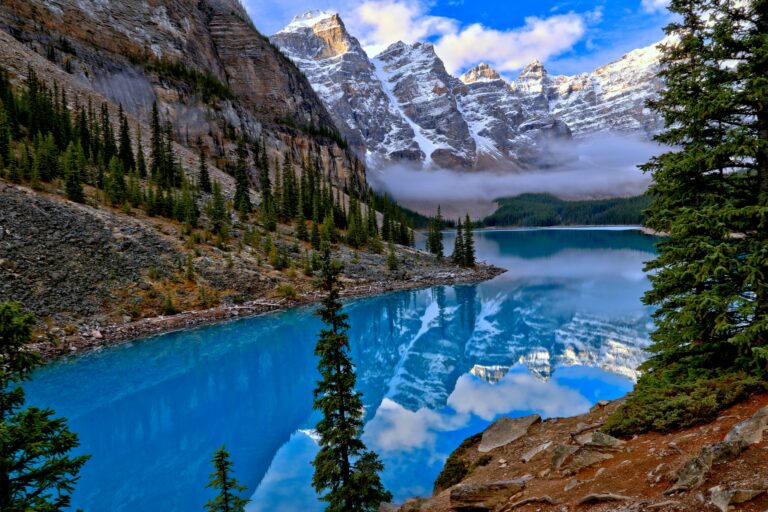
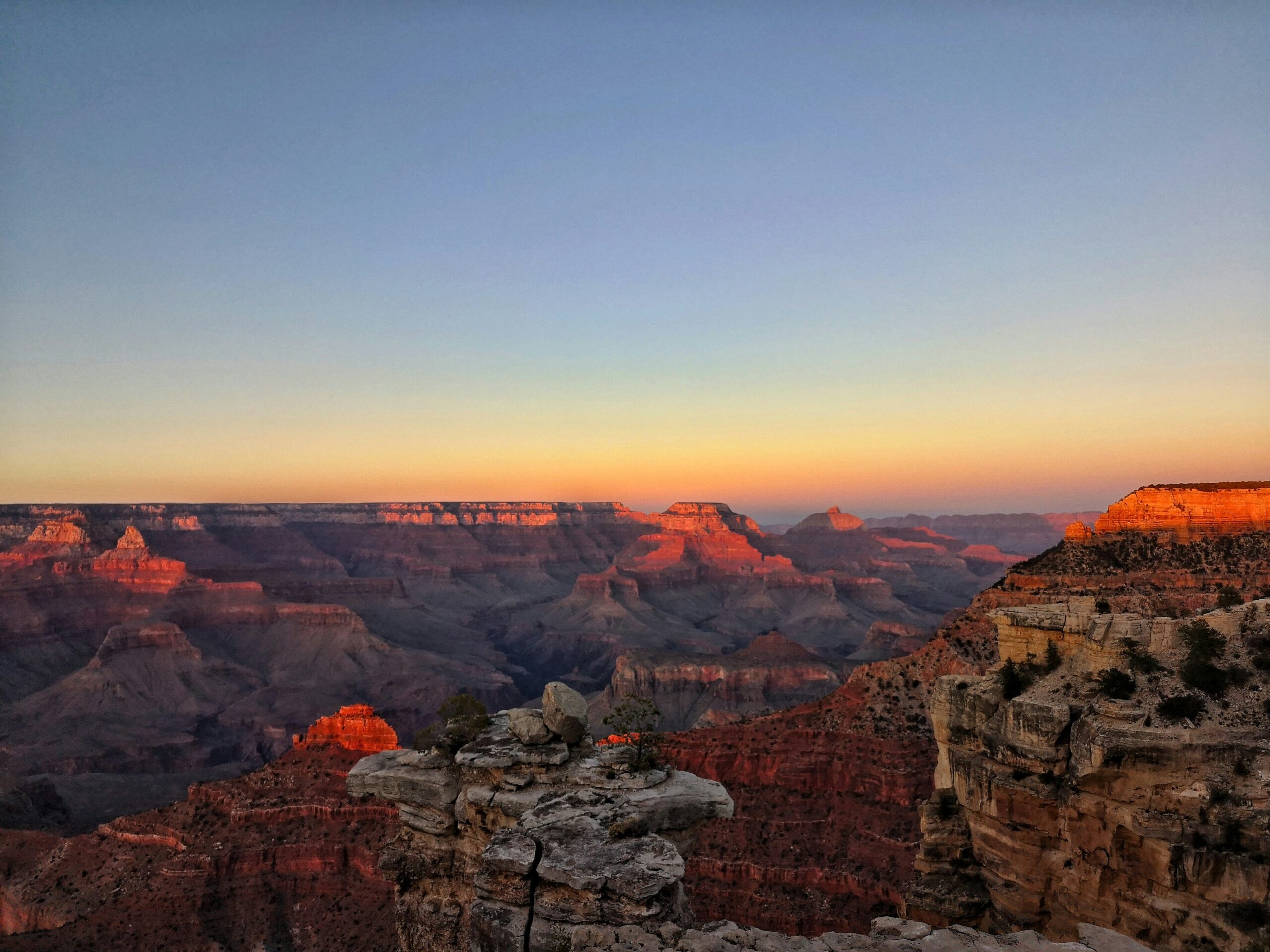
The United States is home to some of the most breathtaking natural landscapes on Earth. From the soaring granite walls of Yosemite Valley and the geothermal wonders of Yellowstone to the mile-deep chasm of the Grand Canyon and the extraordinary red-rock canyon country of Zion National Park, the national parks of the USA offer experiences that are genuinely unlike anything else in the world.
With 63 designated national parks spanning every corner of the country – from the tropical shores of Hawaii and the Arctic wilderness of Alaska to the deserts of the Southwest and the ancient Appalachian forests of the East – the US national park system is one of the greatest conservation and public access achievements in human history. This guide covers the best national parks in the USA, with a detailed focus on Zion National Park, one of the most spectacular canyon landscapes in the world.
What Are the Best National Parks in the USA?
The best national parks in the United States include:
Yosemite National Park (California) – El Capitan, Half Dome, and Yosemite Falls in a glacier-carved valley of extraordinary beauty
Yellowstone National Park (Wyoming/Montana/Idaho) – the world’s first national park, famous for Old Faithful and geothermal landscapes
Grand Canyon National Park (Arizona) – one of the most famous natural wonders on Earth, a mile-deep canyon carved over millions of years
Zion National Park (Utah) – spectacular red and white sandstone canyon walls, world-class hikes, and the legendary Narrows slot canyon
Great Smoky Mountains National Park (Tennessee/North Carolina) – the most visited national park in the USA, with misty mountain scenery and extraordinary biodiversity
These parks represent the full range of American nature – mountains and glaciers, geothermal activity, desert canyons, and ancient forests – and are accessible as standalone destinations or as part of a national parks road trip.
Yosemite National Park
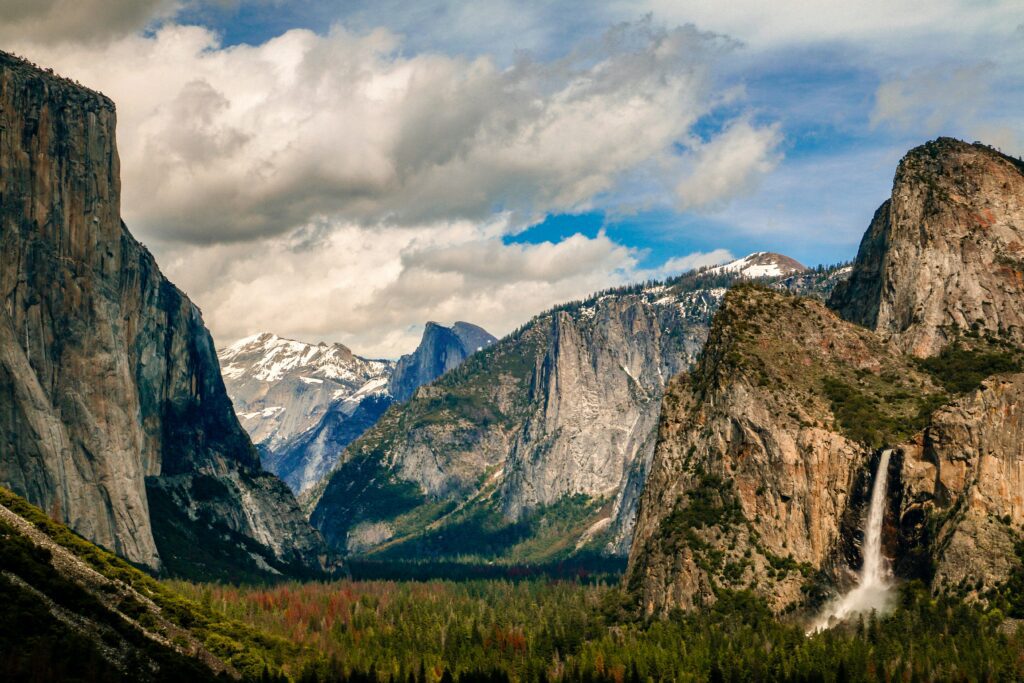
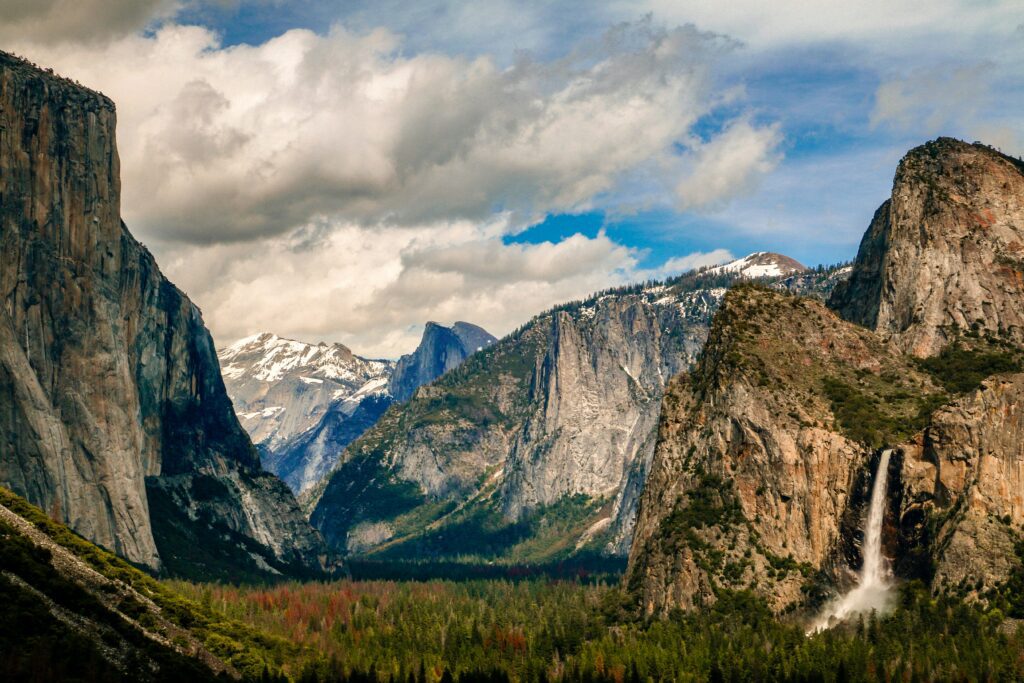
Yosemite National Park in California’s Sierra Nevada mountains is one of the most iconic and beloved natural destinations in the world. The Yosemite Valley – a glacially carved granite canyon 7 miles long and 1 mile wide, with sheer walls rising over 1,000 metres on both sides – is a landscape of almost impossible beauty. John Muir’s description of it as a ‘temple of nature’ is not hyperbole.
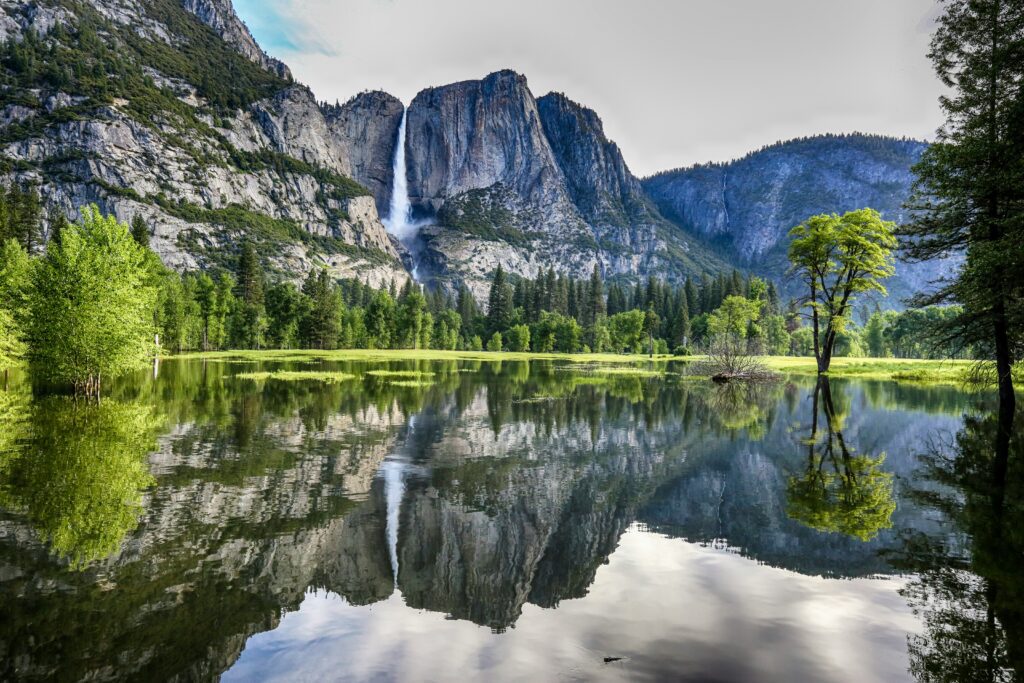
El Capitan – the world’s largest exposed granite monolith, rising 914 metres from the Valley floor. The site of some of the most famous climbing achievements in history, including Alex Honnold’s 2017 free solo ascent.
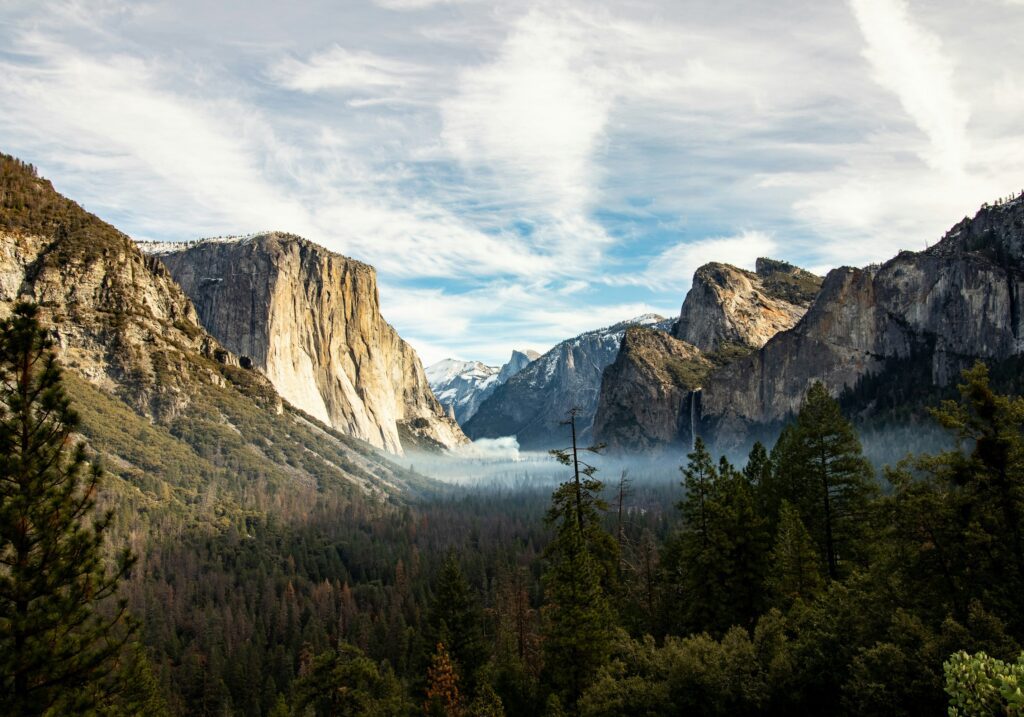
Half Dome – Yosemite’s most recognizable feature, a granite dome sheared in half by glaciation. The Half Dome hike (14-16 miles round trip) requires a permit and is one of the most coveted day hike experiences in the USA.
Yosemite Falls – one of the tallest waterfalls in North America, at its most spectacular in spring when snowmelt peaks (April-June)
Glacier Point – a viewpoint 2,200 metres above sea level offering a panoramic view of the entire Valley, Half Dome, and the High Sierra
Tunnel View – the most photographed viewpoint in the park, where the valley opens up as you exit the Wawona Tunnel
Mariposa Grove – a spectacular grove of ancient giant sequoias, including the Grizzly Giant (estimated at 1,800 years old)
- Park entrance fee: $35 per vehicle (valid 7 days). Timed entry permits required May through October – book at recreation.gov months in advance. Best combined with the broader California road trip itinerary.
- Check best national parks in California
Yellowstone National Park
Yellowstone National Park, established in 1872 and spanning Wyoming, Montana, and Idaho, is the oldest national park in the world and one of the most geologically extraordinary places on Earth. The park sits atop one of the largest volcanic hotspots on the planet, producing a concentration of geothermal features – geysers, hot springs, fumaroles, and mud pots – that is unmatched anywhere outside Iceland or New Zealand.
Old Faithful – the world’s most famous geyser, erupting approximately every 90 minutes to a height of 30–55 metres. The Old Faithful Inn, built in 1904, is one of the finest rustic lodges in the national park system.
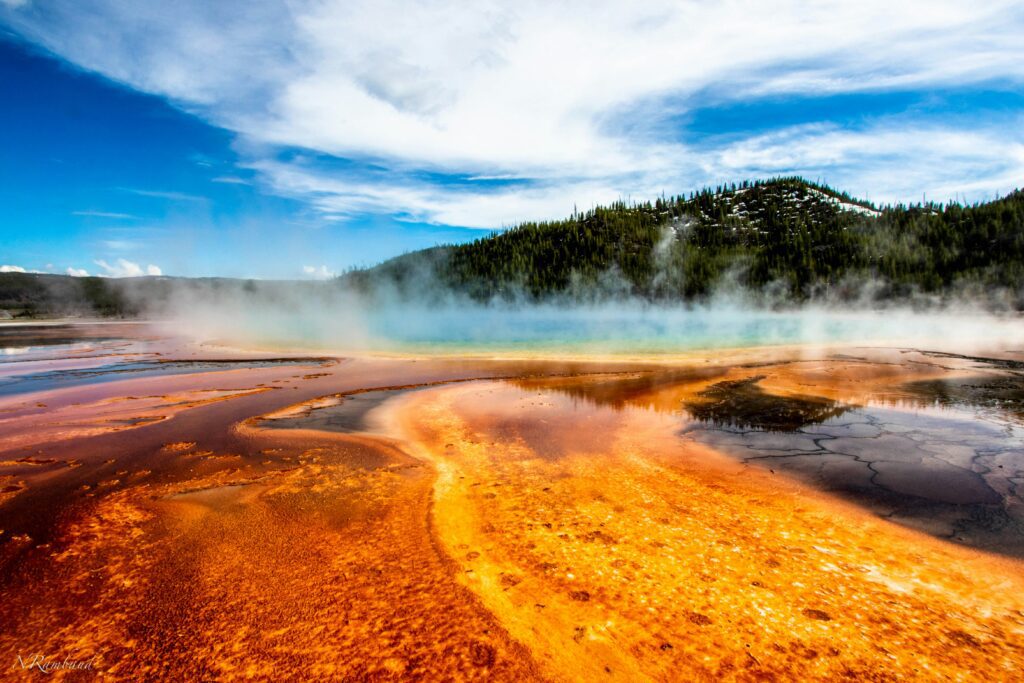
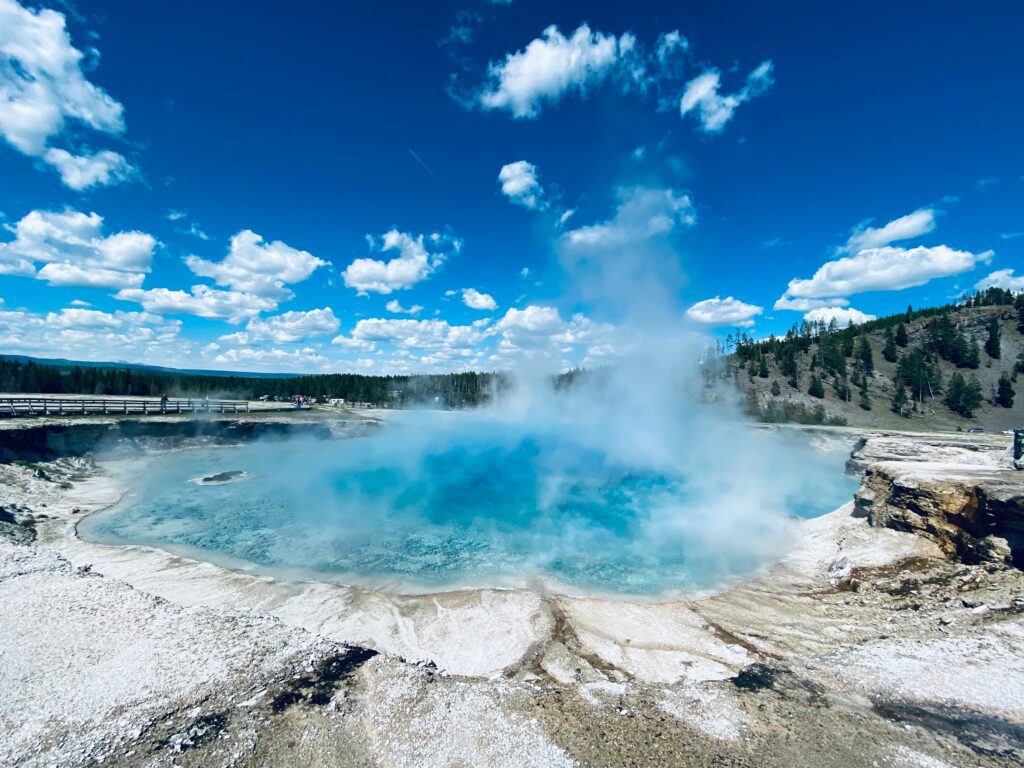
Grand Prismatic Spring – at 112 metres wide, the largest hot spring in the USA and one of the most visually extraordinary natural features in any park: a ring of brilliant blue, green, yellow, and orange created by heat-loving microorganisms
Lamar Valley – often called the ‘American Serengeti’, the best wildlife-watching location in the lower 48 states. Bison herds, wolves, grizzly bears, elk, and pronghorn antelope are regularly visible from the road.
Mammoth Hot Springs – spectacular travertine terraces built by calcium carbonate-rich thermal water
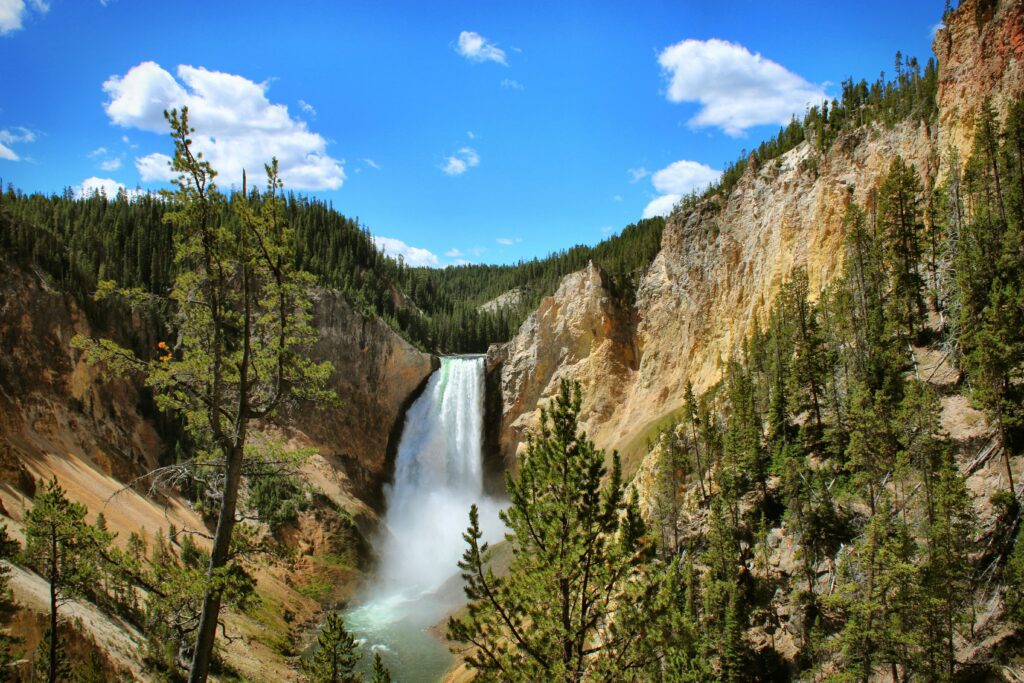
Grand Canyon of the Yellowstone – a dramatic canyon with two major waterfalls, the Upper and Lower Falls, visible from multiple viewpoints along the canyon rim
- Park entrance fee: $35 per vehicle (valid 7 days). Book accommodation 12 to 18 months in advance for peak summer season – Yellowstone lodges fill up extremely fast.
Grand Canyon National Park
The Grand Canyon in Arizona is one of the most awe-inspiring natural places on Earth – a canyon 446 km long, up to 29 km wide, and over 1,800 metres deep, carved by the Colorado River over 5 to 6 million years through rock layers spanning nearly two billion years of Earth’s history. Standing at the South Rim and looking out across the canyon for the first time is one of the few natural experiences that genuinely overwhelms the human capacity for comprehension.
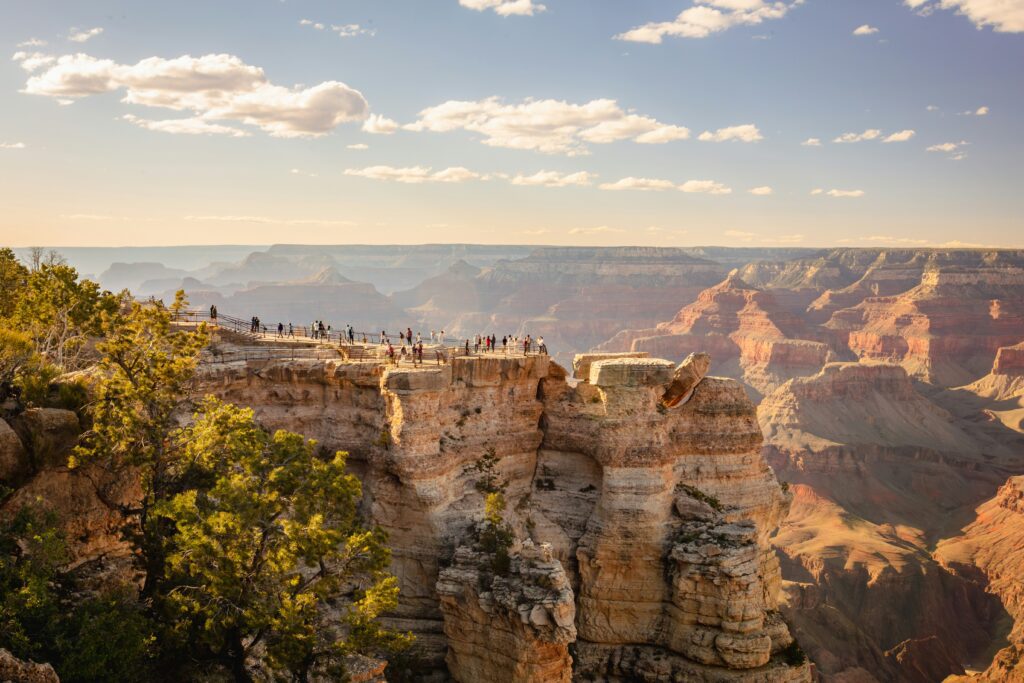
South Rim – the most visited and accessible rim, open year-round. Mather Point, Yavapai Point, and Grandview Point are the finest viewpoints.
Sunrise and sunset – the Grand Canyon’s color changes dramatically with the light, and the canyon walls at dawn or dusk, when the shadows deepen and the reds intensify, are among the most spectacular natural spectacles in the world
Bright Angel Trail – the most popular hiking trail into the canyon, descending 15 km to the Colorado River. Do not attempt to hike to the river and back in a single day (a common and dangerous mistake) – day hikes should turn around at the 3-Mile Resthouse.
South Kaibab Trail – a spectacular ridge trail with extraordinary panoramic views on all sides. The Cedar Ridge turnaround (3 miles round trip) is one of the finest accessible hikes in the park.
Helicopter and airplane tours – flightseeing tours from Grand Canyon Airport (Tusayan) and Las Vegas offer extraordinary aerial perspectives on the canyon
- Park entrance fee: $35 per vehicle (valid 7 days). The Grand Canyon is easily combined with a Utah and Arizona Southwest road trip, typically pairing with Zion, Bryce Canyon, and Antelope Canyon.
Zion National Park
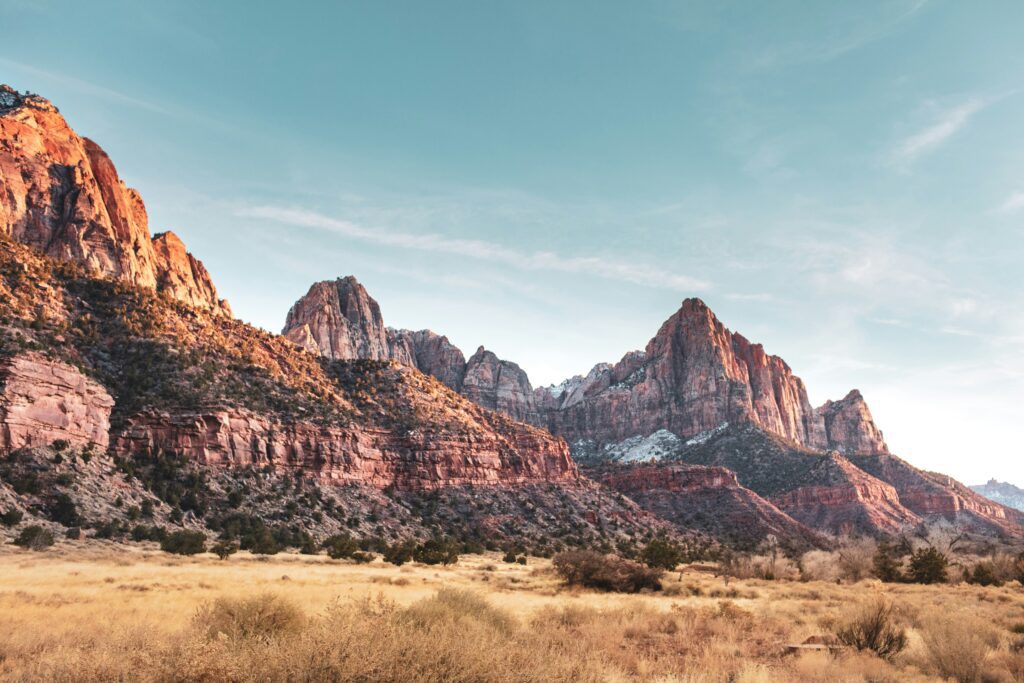
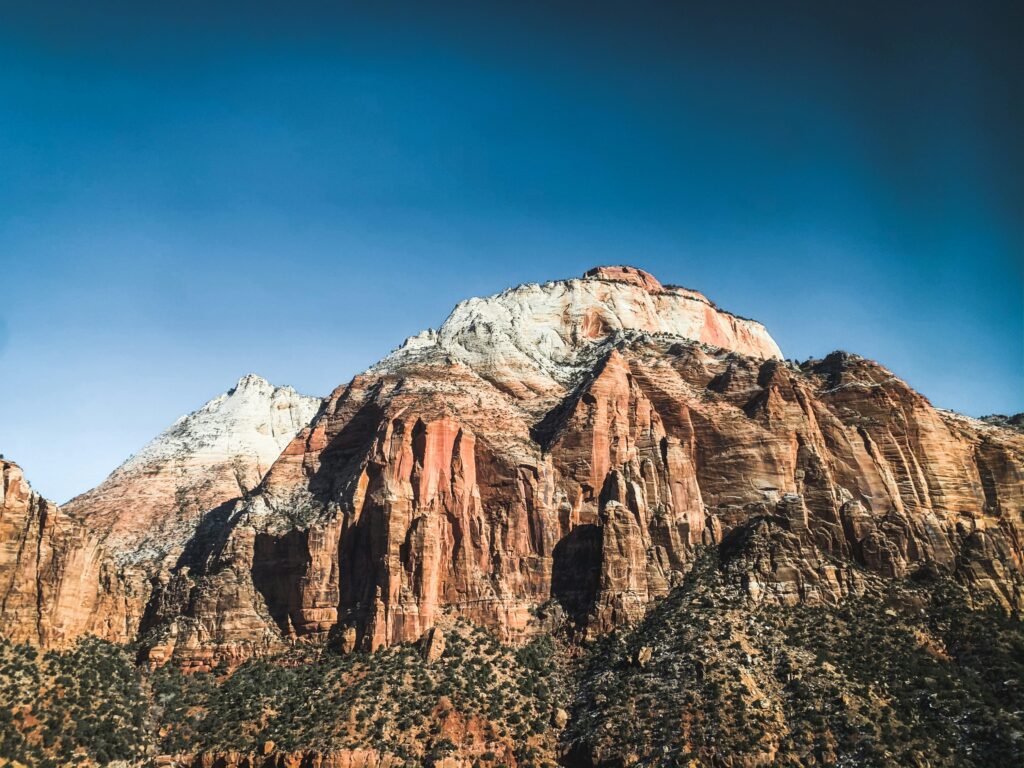
Zion National Park in southwestern Utah is one of the most spectacular canyon landscapes in the world and arguably the finest hiking destination in the United States. The park’s defining feature is Zion Canyon – a 24 km deep gorge carved by the Virgin River through layers of Navajo sandstone, with sheer walls of brilliant white and red reaching 600 to 900 metres above the canyon floor. The contrast of the narrow canyon floor – lush with cottonwood trees, ferns, and hanging gardens fed by natural springs – against the towering, sun-baked cliff walls is one of the most visually extraordinary natural environments anywhere in North America.
Zion receives approximately 4.5 million visitors per year, making it one of the most visited national parks in the USA. Despite the crowds, the park’s extraordinary scenery and outstanding trail network make it a genuinely unmissable destination for any national parks road trip through the American Southwest.
Location and Getting There
Location: Springdale, Washington County, southwestern Utah – approximately 160 miles northeast of Las Vegas (2.5 hours) and 310 miles south of Salt Lake City (4.5 hours)
Nearest gateway city: Las Vegas – the most convenient arrival point for international visitors, with excellent car rental options and a straightforward drive northeast on I-15
Park entrance fee: $35 per vehicle (valid 7 days). America the Beautiful annual pass ($80) covers all US national parks and is exceptional value for visitors planning to visit multiple parks.
- Zion is most commonly combined with Bryce Canyon National Park (1.5 hours north) and the Grand Canyon (3 hours south) on a Southwest road trip
Zion Canyon Shuttle – The Only Way In During Peak Season
During spring through autumn (roughly March to November), private vehicles are not permitted on Zion Canyon Scenic Drive – the road through the main canyon. Instead, a free National Park Service shuttle system carries visitors between nine stops along the canyon floor, from the Visitor Center at the canyon entrance to the Temple of Sinawava at the canyon’s upper end. The shuttle is efficient, frequent (departing every 7 minutes at peak times), and the only way to reach the trailheads during busy season. In winter (December-February), personal vehicles are permitted on the road.
Best Hikes in Zion National Park
Angels Landing – The Most Famous Hike in Zion
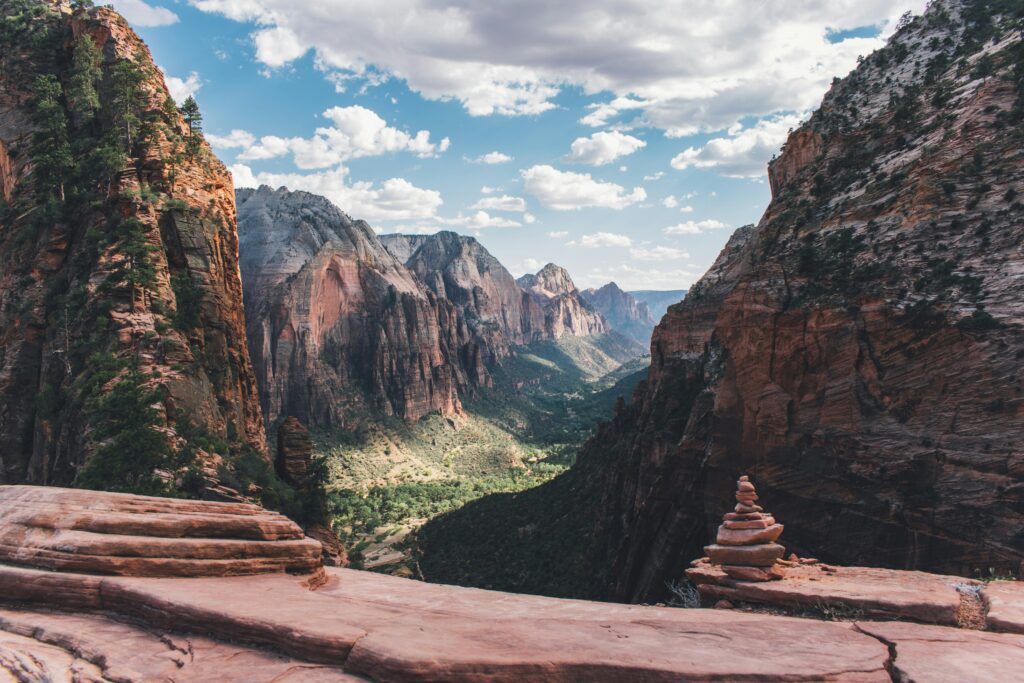
Angels Landing is one of the most celebrated and thrilling hikes in the entire United States – a 8 km round trip trail that ascends 454 metres to a narrow sandstone fin 450 metres above the canyon floor, with the Virgin River winding far below. The final 800 metres of the hike involve a series of chains anchored into the rock face that assist hikers up near-vertical cliff sections – this section is not suitable for those with a fear of heights or young children. The summit views are absolutely extraordinary.
Distance: 8 km round trip
Elevation gain: 454 metres
Difficulty: strenuous – the final chain section is exposed and requires sure-footedness
Permit required: a day-use permit is now required for the top section of Angels Landing. Apply through recreation.gov – permits are released 3 months in advance and are extremely competitive. Some walk-up permits are also available on the day.
Best time: early morning (before 7am) for the most pleasant conditions and smallest crowds on the chain sections
Not suitable for: anyone with a significant fear of heights, young children, or visitors in wet or icy conditions
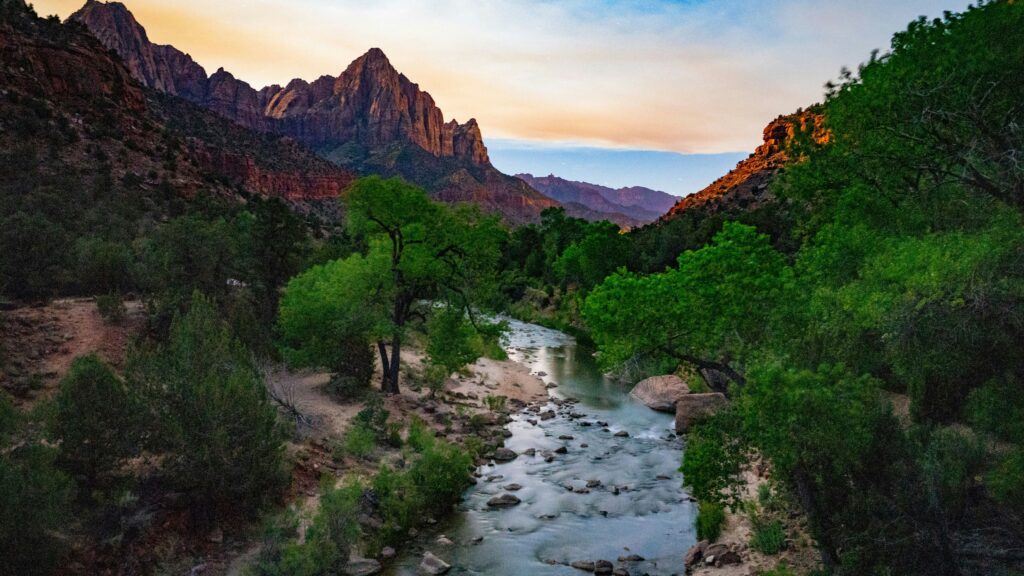
The Narrows
The Narrows is one of the most extraordinary hiking experiences in the world a route that takes you directly through the Virgin River gorge, wading through the river itself as the canyon walls narrow to as little as 6 metres wide and soar 300 metres overhead. The combination of the water, the towering sandstone walls, the shafts of light penetrating the slot canyon, and the sense of geological immensity creates an experience that is utterly unlike any other hike in the national park system.
Starting point: Temple of Sinawava (the last shuttle stop at the top of Zion Canyon) – a 1.6 km riverside walk leads to the canyon entrance
Distance: 3 km to Big Spring (the most popular turnaround) from the canyon mouth, or up to 26 km for the full top-to-bottom route (requiring a permit and overnight stay)
Water depth: knee to waist deep in most sections – the water is cold even in summer
Essential gear: waterproof boots or neoprene socks (rental available in Springdale for approximately $20-$30), a walking stick for balance, dry bags for cameras and electronics
Best time: June through September for warmest water. Avoid during flash flood warnings – the canyon can fill rapidly with no warning. Check the daily flash flood forecast at the Visitor Center.
- Permits: the day hike from Temple of Sinawava does not require a permit. The full top-down overnight route requires a permit from recreation.gov.
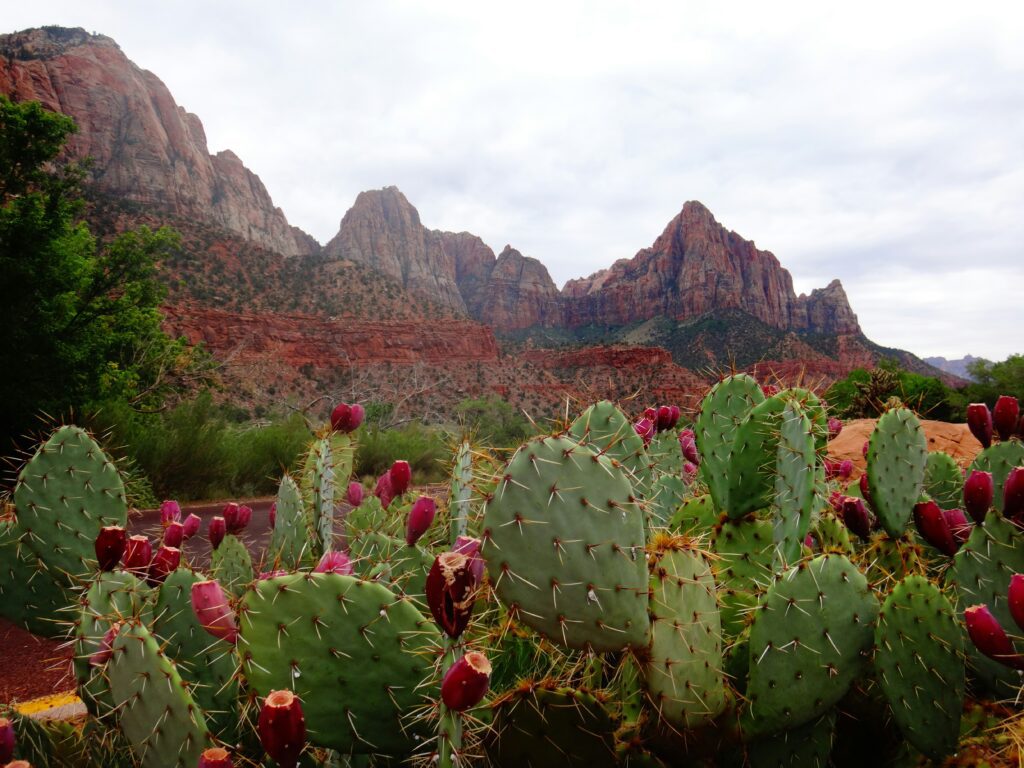
Emerald Pools Trails
The Emerald Pools trail system is one of Zion’s most beautiful and accessible routes – a network of paved and unpaved trails leading to three tiered pools fed by waterfalls and seeps from the canyon walls above, surrounded by hanging gardens of maidenhair ferns and wildflowers. The Lower Emerald Pool (1.9 km round trip, paved, easy) is accessible to almost all visitors including those with pushchairs. The Middle and Upper Pools add difficulty and reward increasingly dramatic scenery.
Lower Emerald Pool: 1.9 km round trip, easy, fully paved – suitable for all abilities
Middle Emerald Pool: adds 0.8 km from the lower pool – moderate, some steps
Upper Emerald Pool: adds 0.8 km further – strenuous final section with significant scrambling
Best time: spring (April-May) when the waterfalls are strongest from snowmelt
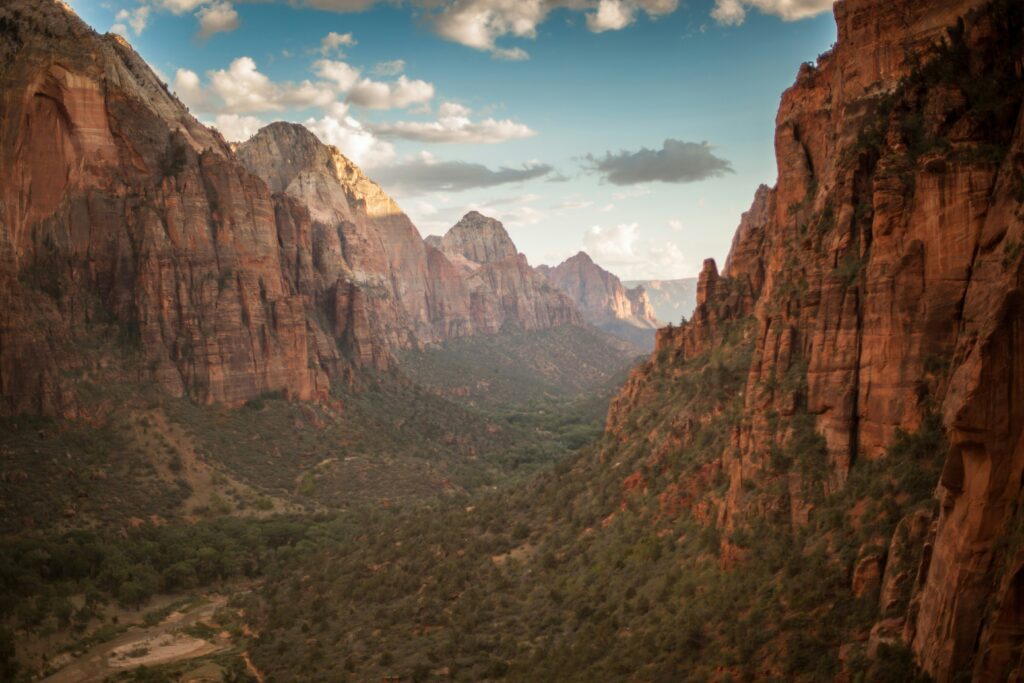
Canyon Overlook Trail – Best Views for Minimal Effort
The Canyon Overlook Trail is Zion’s finest short hike with big rewards – a 1.9 km round trip trail (moderate) that begins just east of the Zion–Mt. Carmel Tunnel and ends at a spectacular overlook above the canyon, with views of the Great Arch and the canyon floor below. It is one of the few significant hikes in the park accessible without taking the shuttle, making it particularly valuable for visitors arriving by car or campervan during off-season. Allow 1 to 1.5 hours.
Observation Point – The Best Summit Views in Zion
Observation Point offers the finest panoramic viewpoint in all of Zion National Park – a view looking down onto Angels Landing from above, with the full sweep of Zion Canyon and the surrounding plateau visible in all directions. The East Mesa Trail route to Observation Point (10.6 km round trip from the East Mesa trailhead via a dirt road) is significantly less crowded than the original trail route from the canyon floor.
East Mesa Trail: 10.6 km round trip, moderate – the recommended route for avoiding crowds
Original Observation Point Trail (via Hidden Canyon): 13 km round trip, strenuous – occasionally closed due to rockfall
Elevation at summit: 2,148 metres
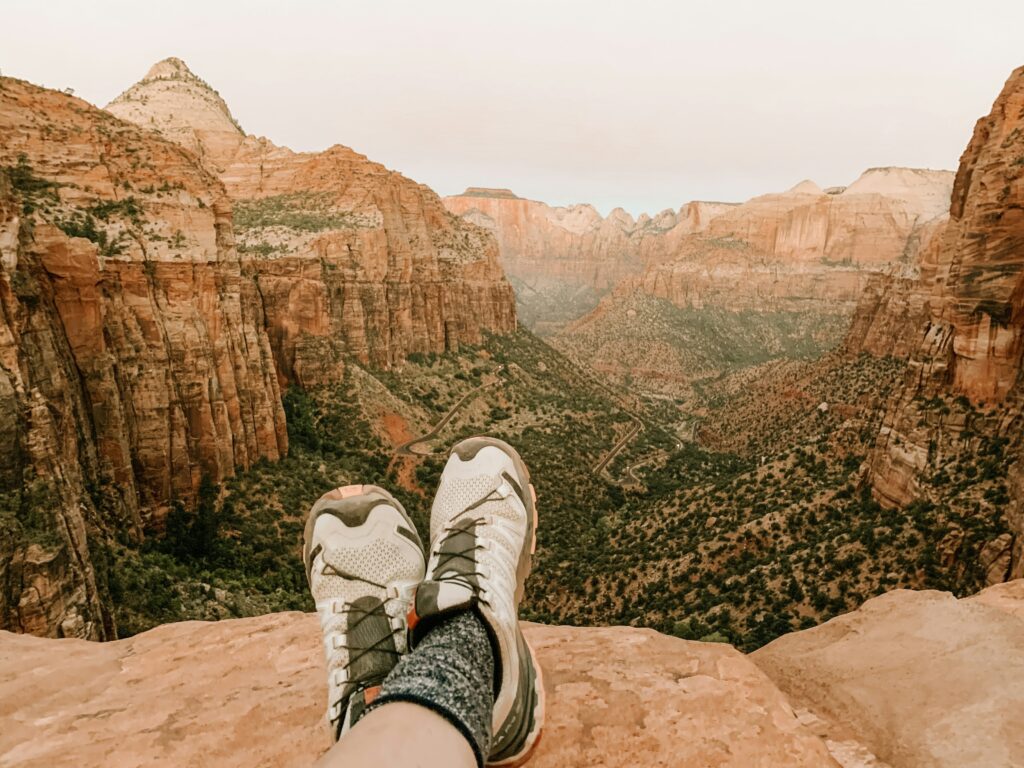
The Subway – A Canyoneering Icon
The Left Fork (The Subway) is one of the most extraordinary and sought-after routes in Zion – a technical canyoneering route through a spectacular series of pools, waterfalls, and slot canyon sections, culminating in the famous ‘subway’ section where a smooth cylindrical tunnel of rock has been carved by the water into a tunnel-like chamber. This route requires a permit (very competitive – lottery system), swimming ability, and basic canyoneering skills. For experienced hikers and adventurers, it is one of the finest outdoor experiences in the American Southwest.
Permit required: day-use permit via recreation.gov lottery – apply well in advance
Difficulty: strenuous, requires swimming and some technical scrambling
Distance: 14 km round trip (bottom-up, day hike version)
Kolob Canyons – Zion’s Secret Section
Many visitors to Zion are unaware that the park also includes the Kolob Canyons section, accessed from a separate entrance off Interstate 15 approximately 40 miles north of Springdale. Kolob Canyons is dramatically less visited than the main canyon and offers some of the finest red-rock scenery in the park – deep finger canyons of brilliant red Navajo sandstone, with the 8 km Kolob Canyon Viewpoint Road delivering extraordinary views with minimal hiking required.
Entry: same $35 per vehicle park pass covers both sections of Zion
Kolob Arch Trail: 22 km round trip to one of the world’s largest natural arches (approximately 95 metres span)
Taylor Creek Trail: a more accessible 8 km round trip through a beautiful canyon with Double Arch Alcove at the end
Where to Stay for Zion National Park
Springdale – the gateway town directly outside the park’s south entrance, with the widest range of accommodation from budget motels to upscale lodges. The Zion shuttle stops in Springdale as well as the park. Hotels from approximately $100-$300+/night.
Zion Lodge (inside the park) – the only accommodation inside the main canyon, with spectacular canyon wall views from the rooms and restaurant. Book 6 to 12 months in advance – it sells out extremely fast. From approximately $250/night.
Camping: Watchman Campground (reservations required via recreation.gov) and South Campground (some first-come-first-served) are within the park. Book months ahead for spring and summer.
St. George (45 minutes south) – a larger city with many affordable chain hotel options for budget-conscious visitors
Great Smoky Mountains National Park
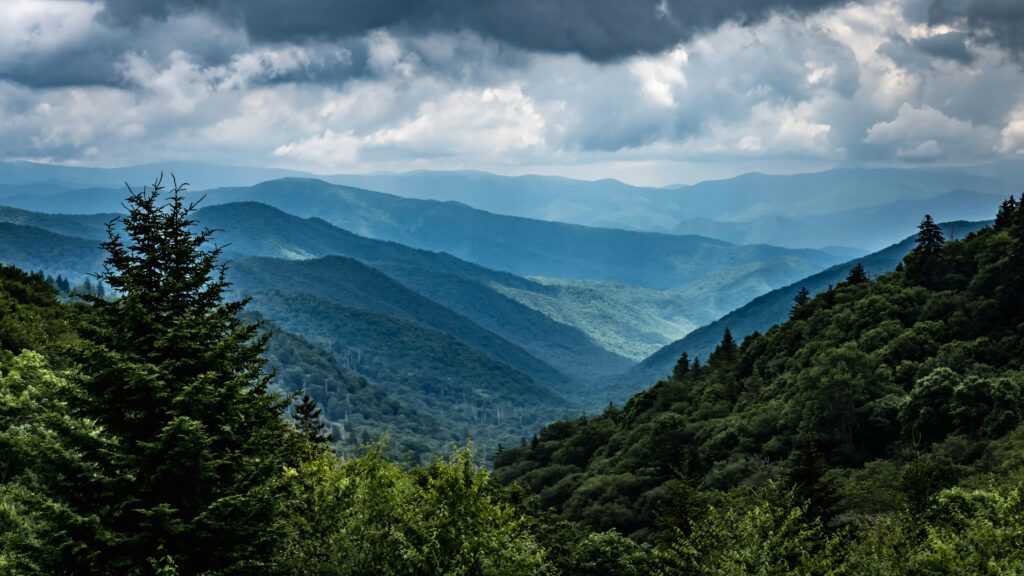
The Great Smoky Mountains National Park on the Tennessee-North Carolina border is the most visited national park in the United States, drawing approximately 12 million visitors per year – nearly double any other park. The park’s accessibility from the densely populated Eastern Seaboard, combined with the extraordinary biodiversity of the Southern Appalachians (over 19,000 documented species, including over 100 native tree species), and the misty, atmospheric beauty of ancient forested mountains make it a genuinely outstanding destination.
Clingmans Dome – the highest point in the park (2,025 metres) and in the entire Appalachian Trail, reached by a short but steep 1.6 km walk from the car park. Panoramic views extend 240 km on clear days.
Newfound Gap – the most accessible high-elevation viewpoint, with panoramic views over the misty mountain ridgelines that give the park its name
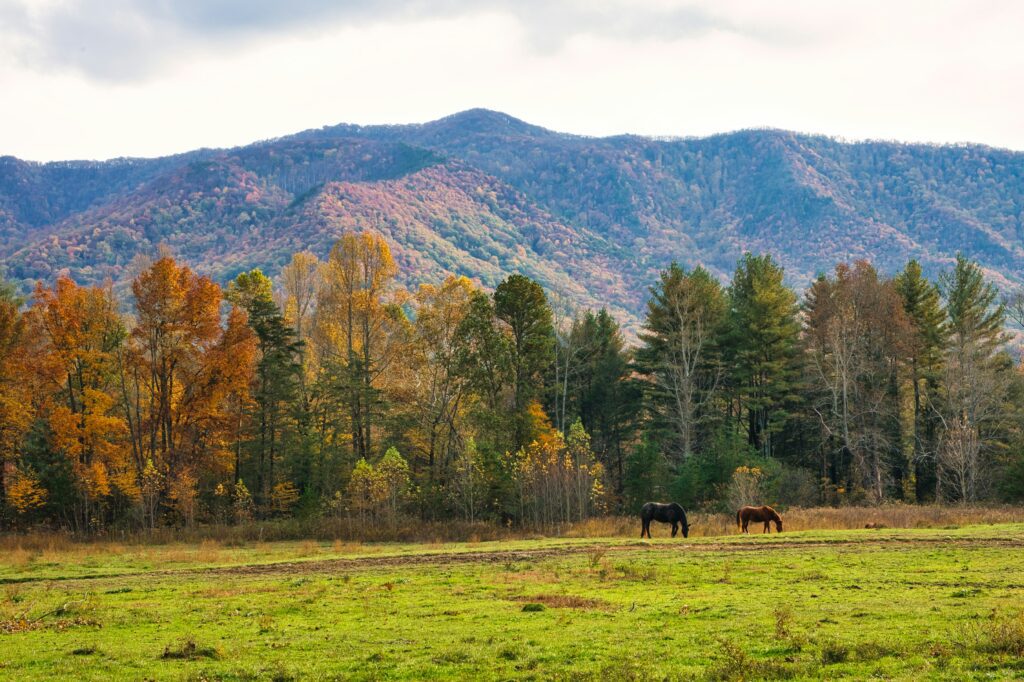
Cades Cove – a historic valley with preserved 19th-century homesteads and outstanding wildlife viewing (black bears, deer, turkeys) along an 18 km one-way loop road
Laurel Falls – the most visited waterfall in the park, accessible by a paved 4 km trail through stunning old-growth forest
Alum Cave Trail – one of the park’s finest hikes, leading to the remarkable Alum Cave Bluffs through bluebell meadows and hemlock forest. 7.2 km round trip, moderate.
- Uniquely, the Great Smoky Mountains has no entrance fee – one of only two national parks in the USA that charges nothing for entry. No reservation required for general park access.
Best Way to Visit National Parks: Road Trip
The best way to experience multiple national parks in the USA is by road trip. The parks are spread across the country in natural geographic clusters that lend themselves perfectly to multi-day driving itineraries:
California parks road trip: Yosemite + Kings Canyon + Sequoia + Death Valley – all accessible from Los Angeles or San Francisco in a 7 to 10 day circuit. See the California road trip itinerary for the complete route.
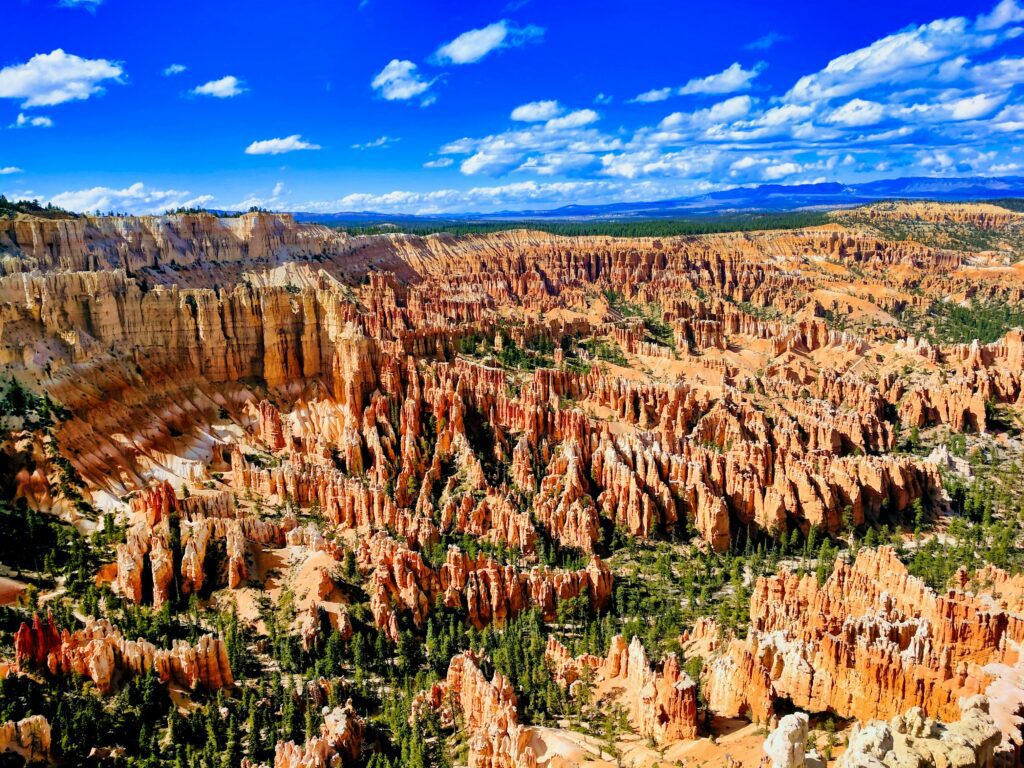
Southwest parks road trip (the classic ‘Mighty Five’): Zion + Bryce Canyon + Capitol Reef + Canyonlands + Arches – five extraordinary Utah parks accessible in a single circuit of approximately 7 to 10 days, typically based on Las Vegas or Salt Lake City
Wyoming and Montana loop: Yellowstone + Grand Teton + Glacier National Park – one of the finest road trip itineraries in the USA, covering three world-class parks in spectacular mountain and wildlife country
National Parks are covered by the America the Beautiful pass – the best value purchase for any visitor planning to visit two or more parks
Where to Stay When Visiting National Parks
- Inside the park (lodges and camps) – the most atmospheric and convenient option. Book as early as possible – 6 to 12 months in advance for the most popular parks (Yosemite, Yellowstone, Zion). Reserve at recreation.gov (campsites) and individual concessionaire websites.
- Gateway towns – each national park has adjacent towns with excellent accommodation options at lower prices than in-park lodges. Springdale (Zion), Gatlinburg (Great Smoky Mountains), Tusayan (Grand Canyon), and West Yellowstone are all good bases.
- Starting from a major city: if your park trip is part of a broader US holiday, California parks pair naturally with a Los Angeles base. See the guide to where to stay in Los Angeles for full hotel recommendations.
Best Time to Visit National Parks in the USA
Spring (March-May) – the best overall season for most parks. Waterfalls are at peak flow, wildflowers bloom, temperatures are comfortable, and crowds are manageable before the summer peak. Best for Zion, Yosemite, and the Grand Canyon.
Summer (June-August) – the best time for high-elevation parks (Yellowstone, high Sierra in Yosemite) when mountain roads and trails are fully open. The most crowded period – arrive early and book everything in advance.
Autumn (September-November) – outstanding for most parks. Fewer crowds than summer, beautiful colors in Smoky Mountains and canyon parks, comfortable temperatures. Often the best overall value for accommodation.
Winter (December-February) – best for desert parks (Grand Canyon South Rim, Death Valley, Joshua Tree) when summer heat is absent. Some mountain park roads close due to snow. Zion is beautiful and less crowded in winter.
Practical Tips for Visiting US National Parks
Book accommodation and permits well in advance – the most popular parks (Yosemite, Yellowstone, Zion Angels Landing) require advance reservations months ahead. Use recreation.gov for camping and permits.
Buy the America the Beautiful annual pass – covers entry to all 63 national parks plus hundreds of federal recreation areas. Annual pass costs $80 for US citizens and residents $250 for NON-residents.
Arrive early in the morning – the most popular trailheads and viewpoints are significantly less crowded before 8am. Many of the finest national park experiences – sunrise at Zion Canyon, first light on Half Dome, early morning wildlife in Yellowstone – are specifically morning experiences.
Bring sufficient water – dehydration is the most common medical issue in US national parks. Carry at least 2 litres per person for any hike longer than 2 hours. Desert parks (Grand Canyon, Zion in summer) require significantly more.
Download offline maps – phone reception is limited or non-existent in many national parks. Download offline maps (Google Maps, AllTrails, Gaia GPS) before entering the park.
Rent a car – a car is essential for visiting most US national parks. The parks are large, distances between trailheads are significant, and public transport does not serve most park areas. Exception: Zion and some others have shuttle systems within the park.
America’s National Parks Are Unmissable
The national parks of the United States represent some of the finest natural landscapes on Earth — and the American system of protecting and making them accessible to all visitors is one of the great public achievements of the modern era. Whether you are hiking the chain sections of Angels Landing in Zion, watching Old Faithful erupt in Yellowstone, standing at the South Rim of the Grand Canyon at sunrise, or wading through the slot canyon walls of The Narrows, these experiences are genuinely unlike anything else the world offers.
Many travelers visit the United States specifically for a road trip focused entirely on its incredible national parks, exploring multiple destinations in one unforgettable journey.
FAQ: National Parks in the USA
How Many National Parks Are in the USA?
There are 63 designated national parks in the United States, managed by the National Park Service. In addition, the NPS manages hundreds of additional protected areas including national monuments, national seashores, national recreation areas, and historic sites – bringing the total NPS-managed units to over 400.
What Is the Best National Park in the USA?
Yosemite and Yellowstone are consistently the most celebrated parks and are often cited as the finest overall national park experiences. Zion National Park is frequently rated the best hiking destination in the park system. The answer depends on your priorities – for scenery and photography, Yosemite; for wildlife, Yellowstone; for hiking and canyons, Zion; for sheer geological scale, the Grand Canyon.
Do You Need a Car to Visit National Parks?
Yes – a rental car is essential for most national park visits.