Planning a California road trip? You are about to experience one of the most iconic and breathtaking journeys in the world. California is the ultimate road trip state – a place where you can drive from the fog-shrouded Victorian streets of San Francisco along the most dramatic coastal highway on Earth through Big Sur to the sun and glamour of Los Angeles, and on to the beach paradise of San Diego, all within a single trip of extraordinary variety.
This guide covers the best California road trip itinerary for 2026 – classic routes, must-see stops, day-by-day planning for 7 to 14 days, where to stay, and essential tips for making the most of one of the greatest drives in the world.
- Tip: rent a car. A rental car is not just convenient for a California road trip – it is the only way to experience the route properly. The Pacific Coast Highway (Highway 1) through Big Sur, the Marin Headlands above San Francisco, the beaches south of Santa Barbara – all of these are inaccessible or impractical without your own vehicle. Book well in advance, especially for summer travel.
Why Choose a California Road Trip?
California road trips are among the finest self-drive journeys in the world for good reason – the state offers an unmatched combination of natural wonders, world-class cities, and the freedom of some of the most spectacular highways ever built:
Stunning coastline – the Pacific Coast Highway through Big Sur is one of the most beautiful drives on Earth. Nowhere else do mountains drop so dramatically into the Pacific.
World-famous cities – San Francisco, Los Angeles, and San Diego are three of the most exciting cities in the USA, each with a completely different character and outstanding food, culture, and nightlife
National parks and extraordinary nature – Yosemite, Joshua Tree, and Death Valley are all accessible on extended California road trips
Year-round good weather – California’s Mediterranean and subtropical climates make it a viable road trip destination in every season
Unmatched landscape diversity – in a single week’s driving you can move from Bay Area fog to Big Sur cliffs to LA beaches to San Diego sunshine to high Sierra alpine scenery
California Road Trip Route Overview
The classic California road trip route runs from north to south along the coast, ending in San Diego:
San Francisco → Pacific Coast Highway (Highway 1) → Big Sur → Santa Barbara → Los Angeles → San Diego
- Optional extension: add Yosemite National Park as a detour from San Francisco, or extend south to Joshua Tree and Palm Springs after San Diego.
Total driving distance (SF to San Diego via PCH): approximately 500-600 miles depending on route
Recommended duration: 7 days (fast pace) to 14 days (relaxed, with extensions)
Day-by-Day California Road Trip Itinerary
Days 1-2: San Francisco – Start Your California Journey
San Francisco, Northern California
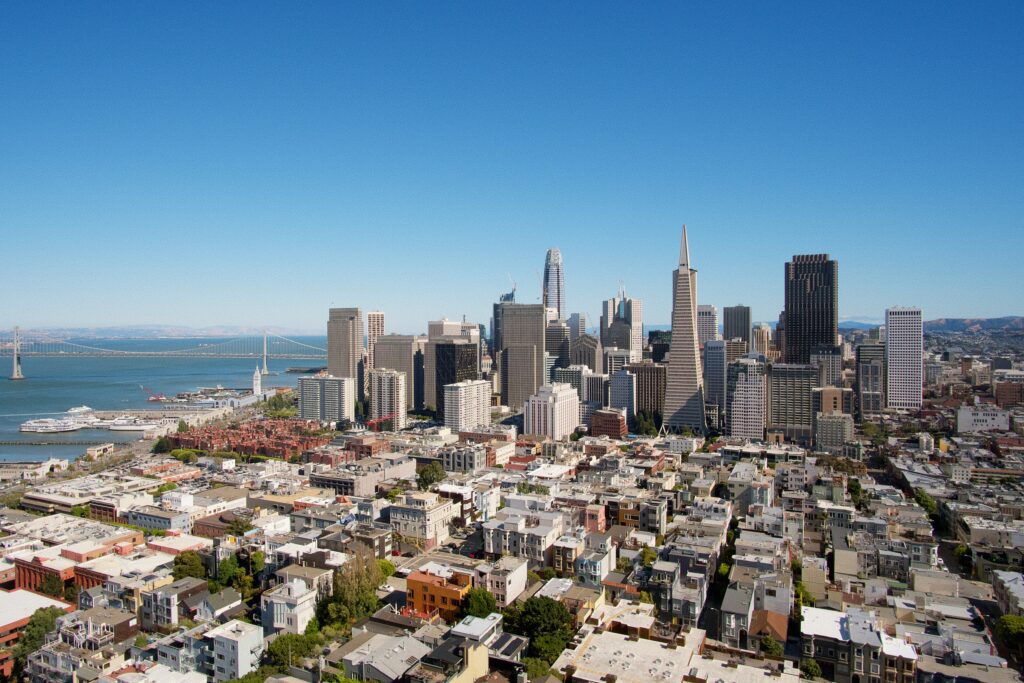
Begin your California road trip in San Francisco – one of the most beautiful, distinctive, and fascinating cities in the United States. San Francisco’s compact geography means you can cover its essential highlights on foot and by cable car over two days, before picking up your rental car and heading south along the coast. Give yourself a full two days here – the city richly rewards it.
Day 1: Golden Gate, Fisherman’s Wharf, and the Waterfront
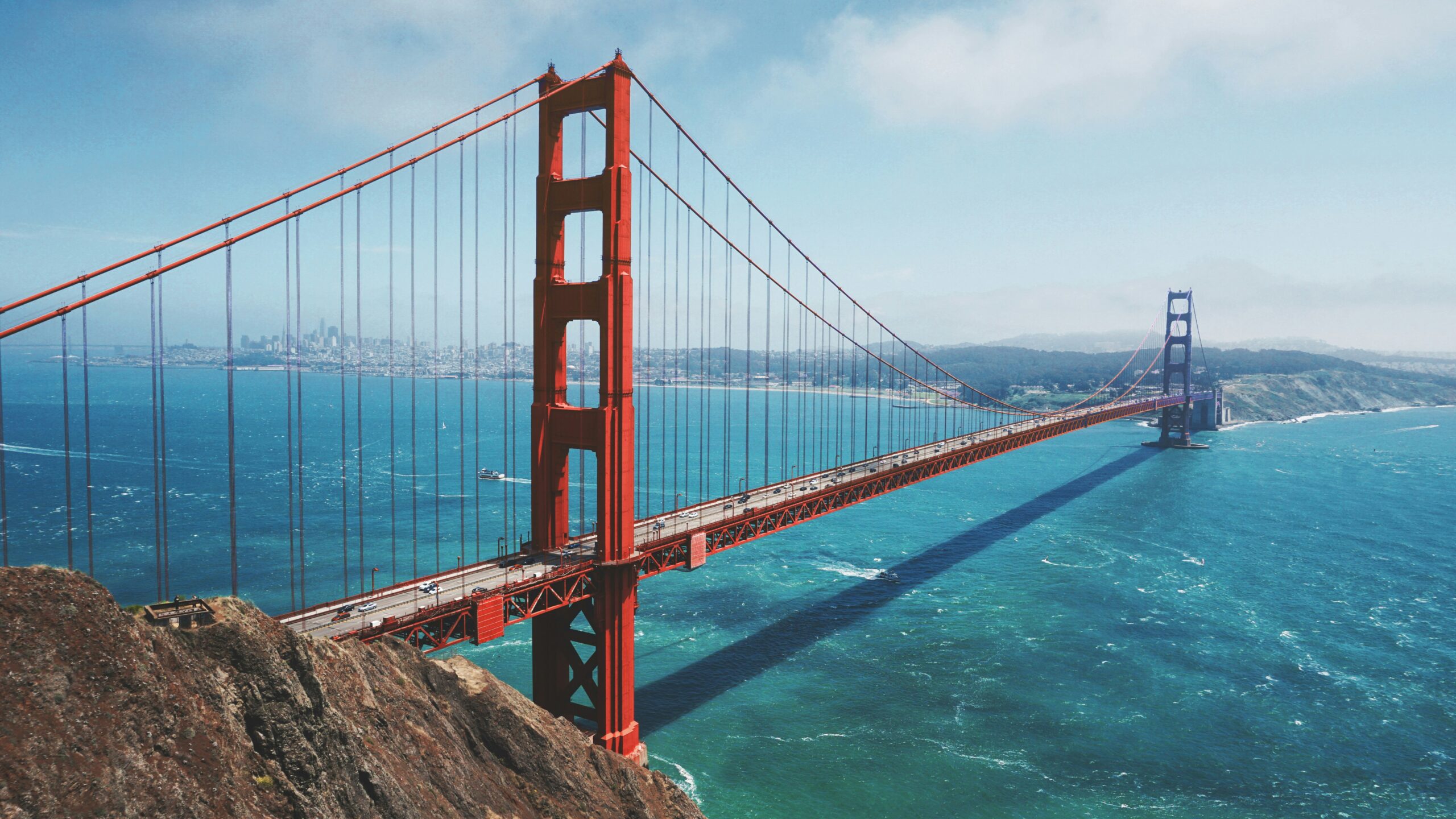
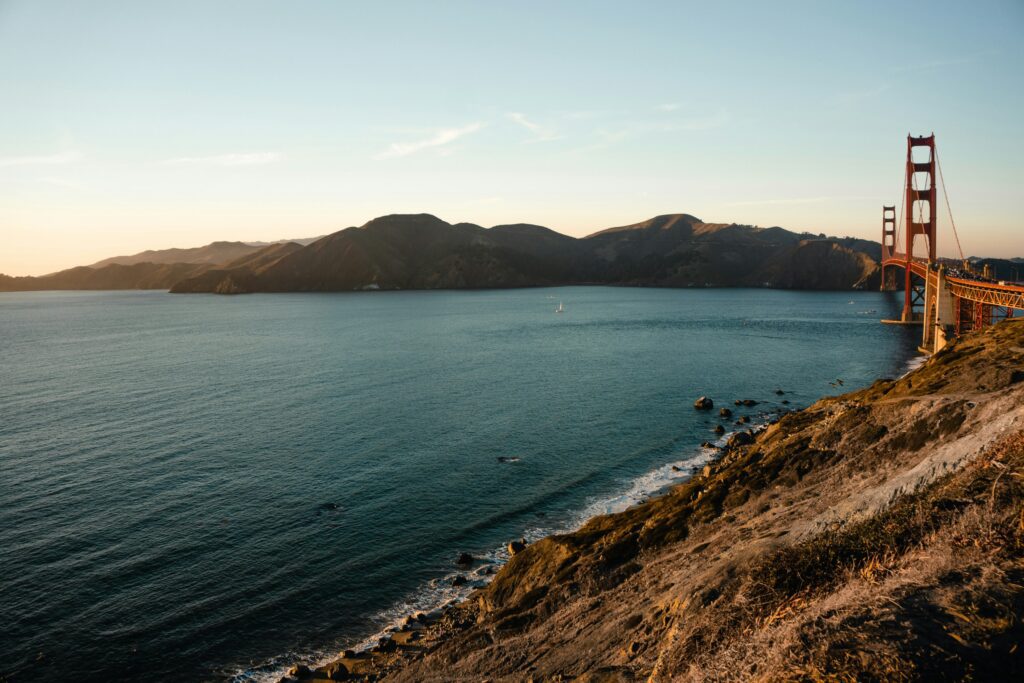
Golden Gate Bridge – walk or cycle across one of the world’s most iconic structures. The 1.7-mile crossing takes about 30 minutes each way on foot; bike rental available near the bridge. The view from the north side (Marin Headlands) is the finest.
Fisherman’s Wharf and Pier 39 – the historic waterfront district with sea lions on the docks, fresh Dungeness crab stands, and the famous sourdough bread from Boudin Bakery
Alcatraz Island – take the ferry from Pier 33 for a self-guided audio tour of the most famous prison in America. Book tickets well in advance – often sells out weeks ahead. Approximately $45 per person.
Ferry Building Marketplace – one of the finest food halls on the West Coast, with exceptional local producers and artisan food vendors along the Embarcadero waterfront
Day 2: Neighborhoods, Cable Cars, and City Views
Chinatown – the oldest and most vibrant Chinatown in North America, centred on Grant Avenue and Stockton Street. Outstanding for dim sum and street food.
North Beach – San Francisco’s Italian-American neighborhood, home to City Lights bookshop (a beat generation legend), excellent cafes, and the spirited street life of Columbus Avenue
Twin Peaks or Dolores Park – two of the finest viewpoints over the city. Twin Peaks gives a 360-degree panorama; Dolores Park in the Mission is the best people-watching spot in SF.
Mission District – the most vibrant and culturally diverse neighborhood in San Francisco, with outstanding Mexican and Latin American food on 24th Street and remarkable street murals throughout
Collect your rental car on Day 2 afternoon – pick up from SFO airport or a city centre branch for the southward drive the following morning
Days 1–2 Practical Information
Where to stay in San Francisco: Union Square or the Embarcadero for central access; the Mission for a more local character. Hotels from $150-$400+/night.
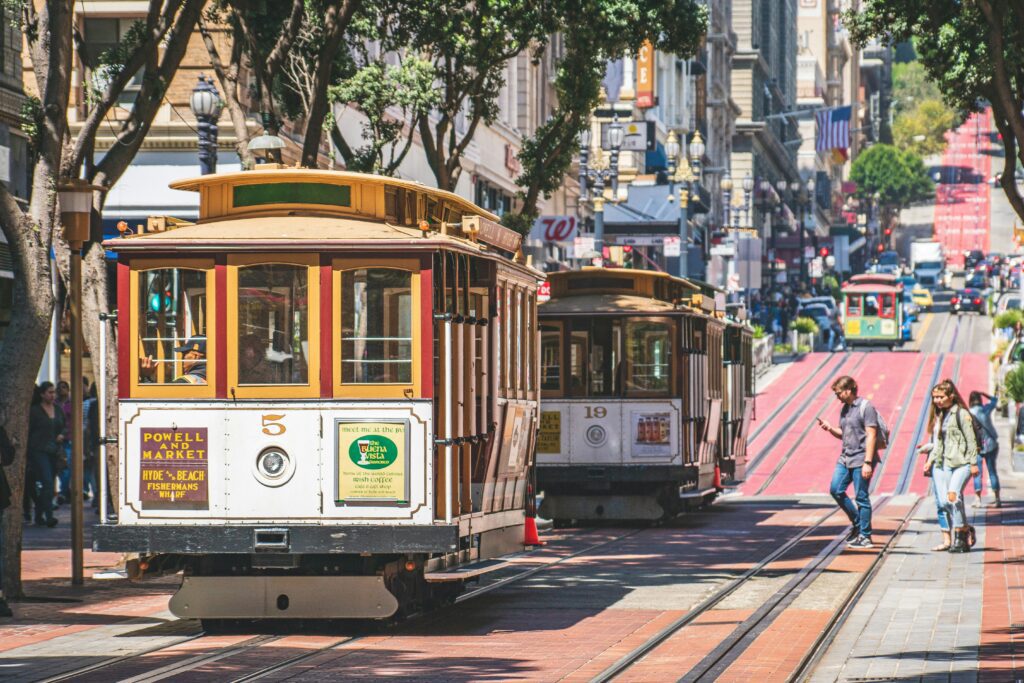
Getting around without a car: San Francisco is one of the few California cities where a car is not needed. Walk, take the cable car, or use Muni for longer distances.
Days 3-4: Pacific Coast Highway and Big Sur – The Greatest Coastal Drive
Big Sur, Central California Coast
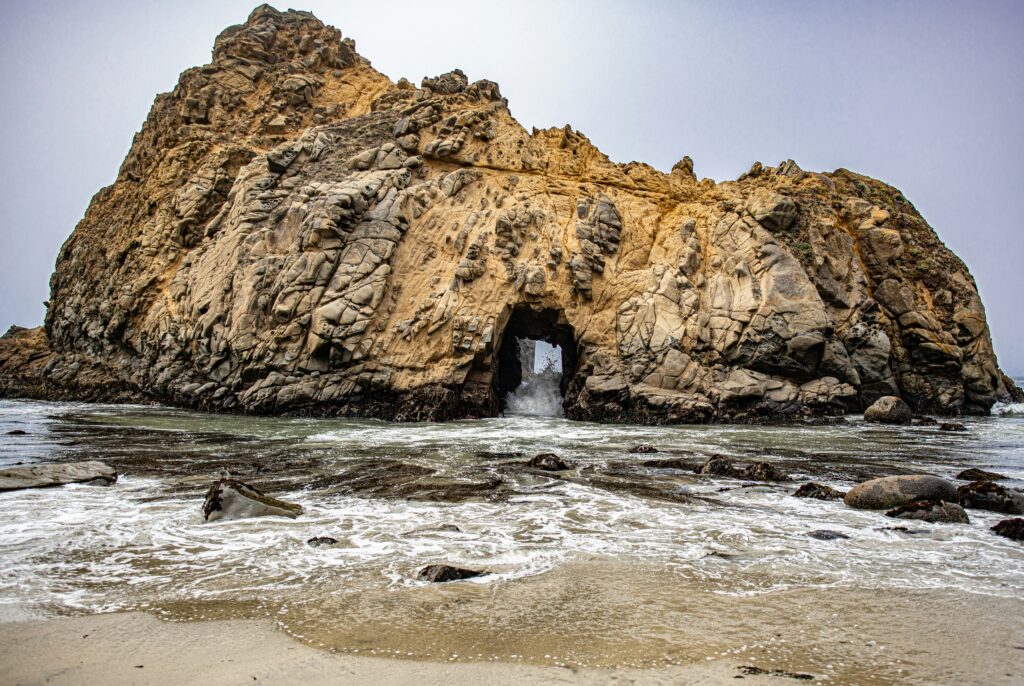
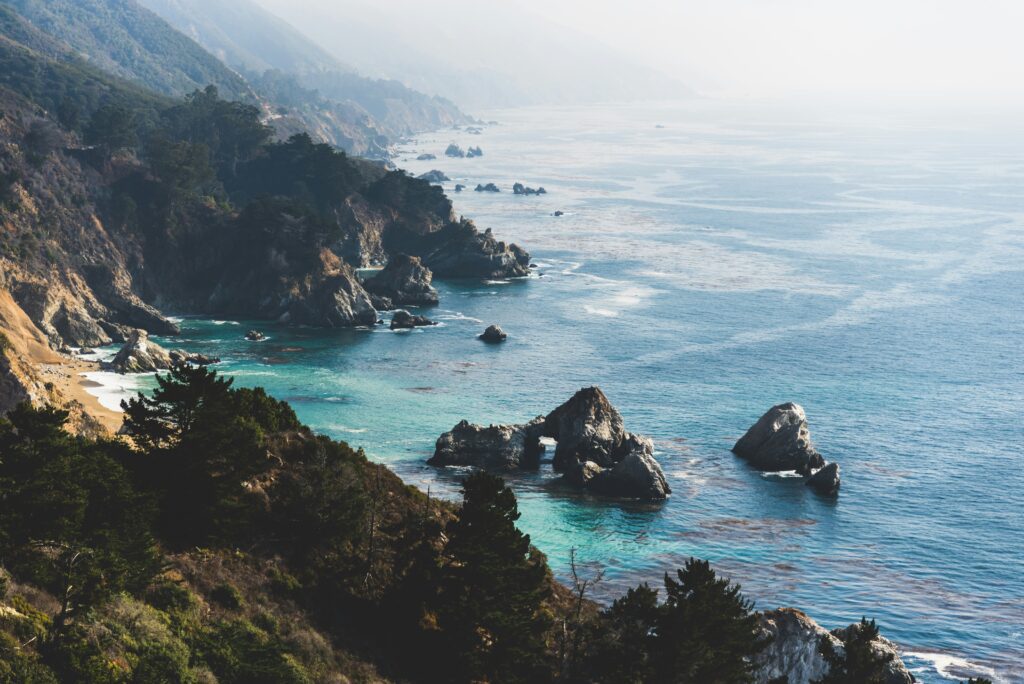
Leaving San Francisco, head south on Highway 1 – the Pacific Coast Highway, one of the most spectacular roads in the world. The route from San Francisco to Big Sur takes approximately 3.5 to 4 hours without stops, but allow a full two days – this highway demands and deserves stops at every viewpoint, every beach, and every roadside overlook. The scenery is extraordinary: rugged cliffs dropping hundreds of metres into the Pacific, sea arches, hidden beaches, elephant seal colonies, and the ancient redwood forest of Big Sur Canyon.
Key Stops on the Pacific Coast Highway from SF to Big Sur
Half Moon Bay (30 miles south of SF) – a beautiful coastal town with excellent seafood restaurants, pumpkin farms, and a charming Main Street. Mavericks Beach here hosts one of the world’s most famous big wave surf breaks.
Santa Cruz (75 miles south of SF) – a vibrant beach city with a historic boardwalk amusement park (one of the oldest in the USA), excellent surf culture, and the beginning of Monterey Bay
Monterey – one of California’s most historically significant coastal towns, with the world-class Monterey Bay Aquarium (absolutely worth a half-day visit – approximately $50 adult), Cannery Row, and excellent fresh seafood
17-Mile Drive (Pebble Beach) – a spectacular private coastal scenic drive past the Lone Cypress (one of California’s most photographed trees), world-famous golf courses, and extraordinary Pacific views. Entry fee approximately $12 per vehicle.
Carmel-by-the-Sea – a charming, almost impossibly picturesque village with art galleries, boutique restaurants, and a beautiful white-sand beach. One of the finest lunch stops on the drive south.
Big Sur – The Most Beautiful Section of the Drive
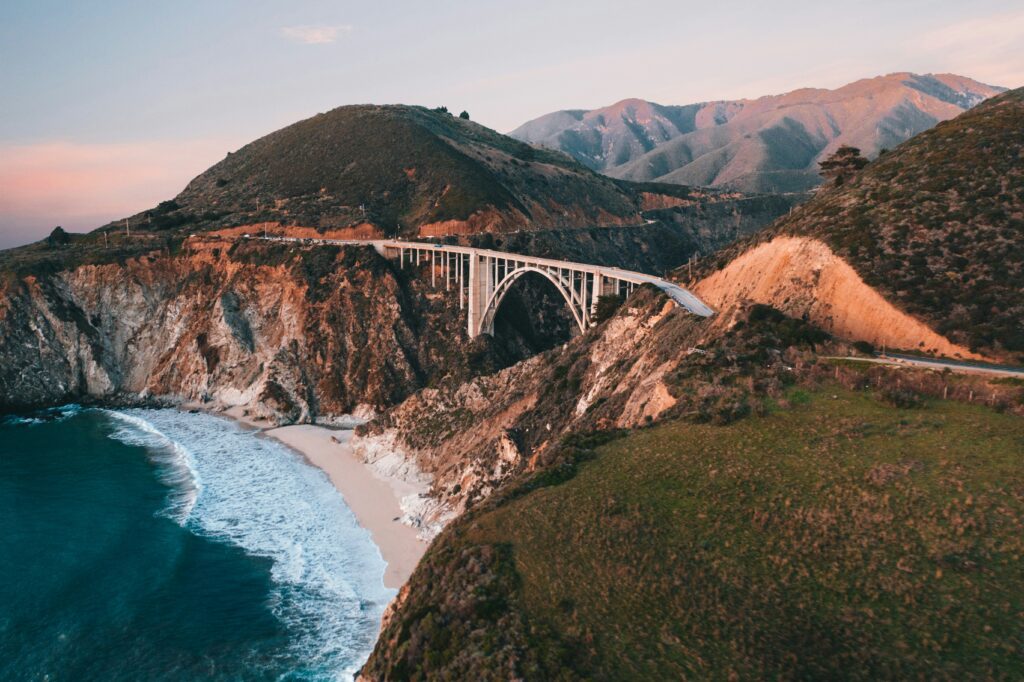
Big Sur is the heart of the Pacific Coast Highway experience – an 80-mile stretch of coastline where the Santa Lucia mountains meet the Pacific in a landscape of extraordinary, almost aggressive beauty. There are no towns in Big Sur, no traffic lights, and limited mobile reception. The drive through requires full attention and is incomparably rewarding.
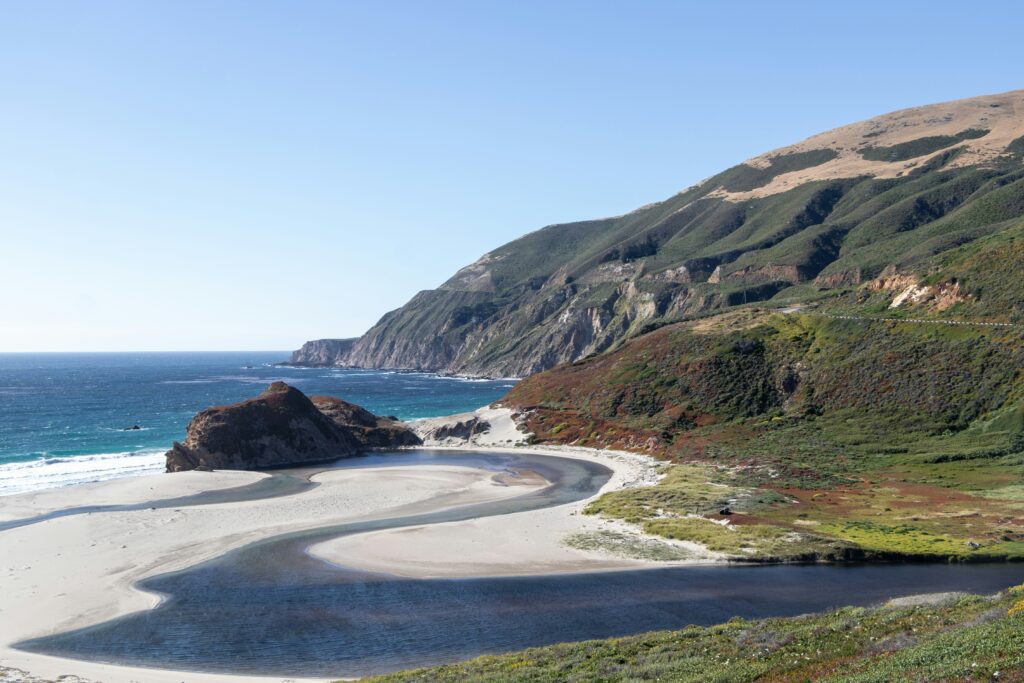
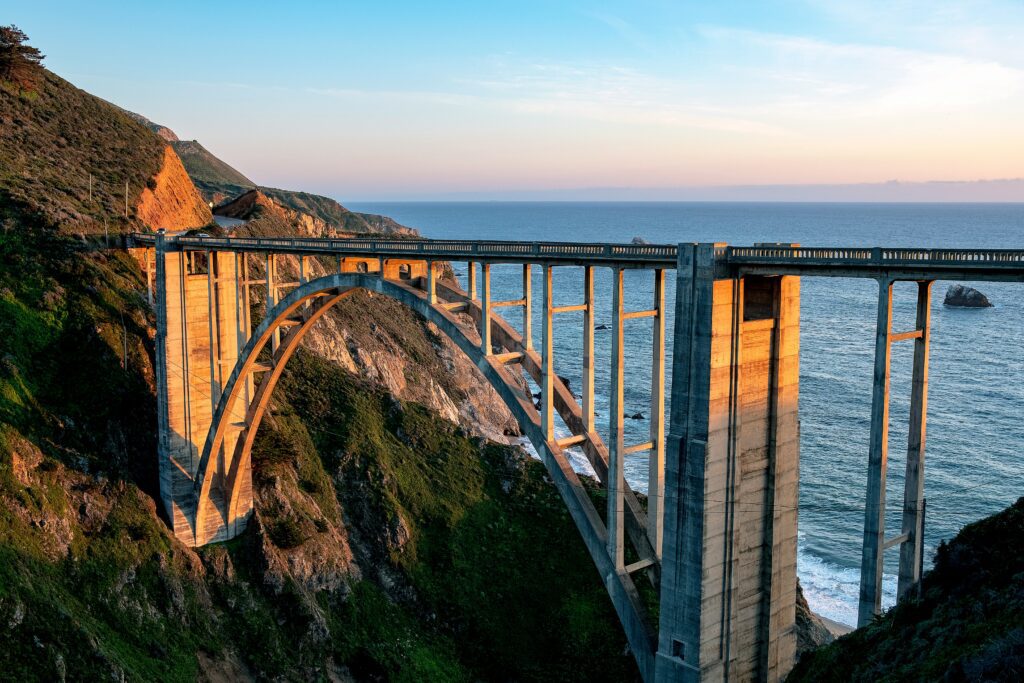
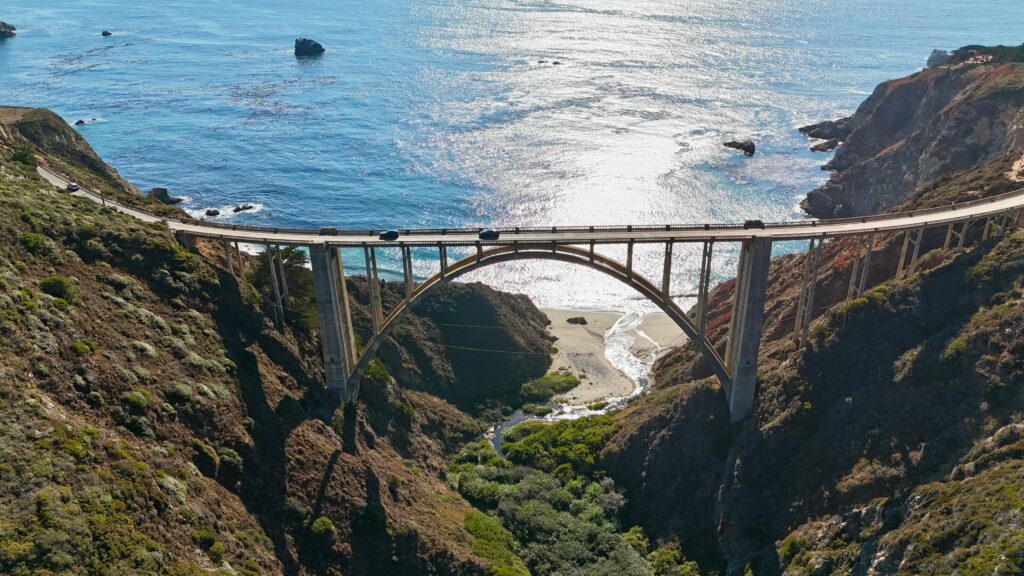
Bixby Creek Bridge – one of the most photographed bridges in the USA, a spectacular concrete arch bridge spanning a dramatic coastal canyon. The viewpoint from the highway above the bridge is unmissable.
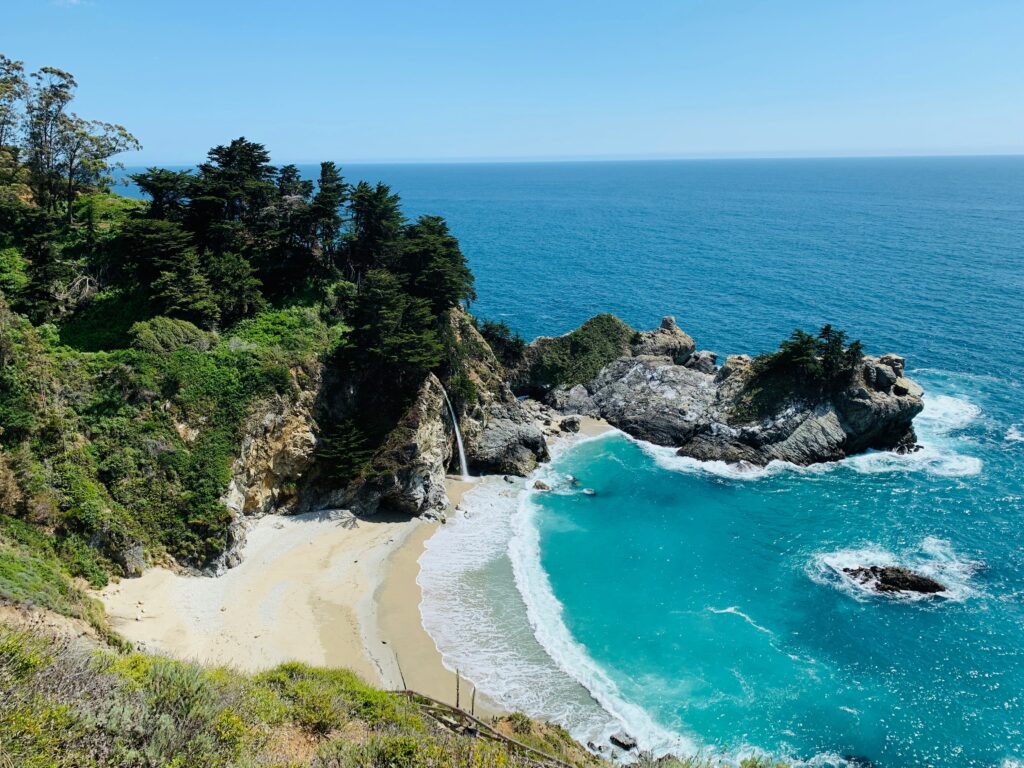
McWay Falls – a stunning 80-foot waterfall that falls directly onto an isolated beach accessible only by sea. The viewpoint from the short trail at Julia Pfeiffer Burns State Park is extraordinary. Day use fee approximately $10.
Pfeiffer Big Sur State Park – the main access point for Big Sur hiking, with trails through ancient coastal redwoods to Big Sur River canyon. Day use fee approximately $10.
Nepenthe Restaurant – a legendary clifftop restaurant above the Pacific, serving since 1949. The ambrosia burger and the view are equally spectacular. Reserve in advance.
Sand Dollar Beach – the largest sandy beach on the Big Sur coast, with outstanding views of the Pacific and nearby Cone Peak
Days 3-4 Practical Information
Where to stay in Big Sur: accommodation is limited and expensive. Ventana Big Sur, Post Ranch Inn (ultra-luxury), and Big Sur Lodge are the main options. Book 3 to 6 months in advance – Big Sur accommodation sells out fast. Alternatively, stay in Carmel and make Big Sur a day drive.
Fuel: fill up before entering Big Sur – petrol stations are extremely limited and expensive in the Big Sur section
Note: sections of Highway 1 can be closed due to landslides or road damage. Check Caltrans (dot.ca.gov) for current road conditions before driving.
Days 5–7: Los Angeles – Three Days in the City of Angels
Los Angeles, Southern California
From Big Sur, continue south on Highway 1 – the route eventually rejoins US-101 south of San Luis Obispo and continues through Santa Barbara (an excellent lunch stop with beautiful Spanish colonial architecture and outstanding beaches) before reaching Los Angeles. The drive from Big Sur to LA takes approximately 5 to 6 hours without stops – allow a full day with a Santa Barbara break.
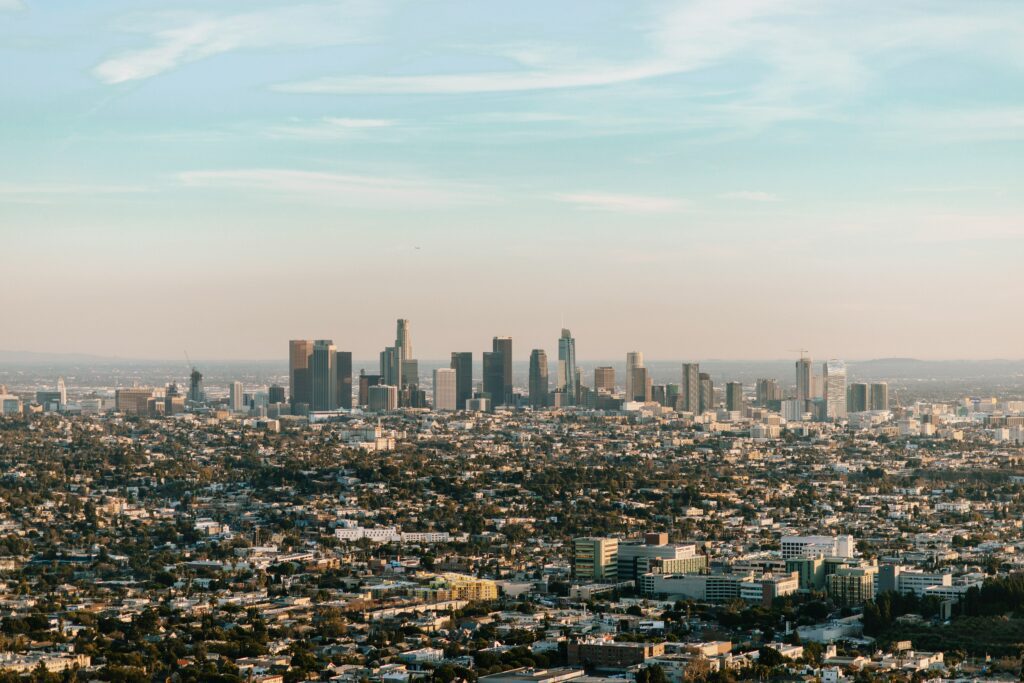
Give Los Angeles three full days – the city is enormous and each day covers a different geographical area to minimize driving. For a full day-by-day LA guide, see the dedicated Los Angeles itinerary.
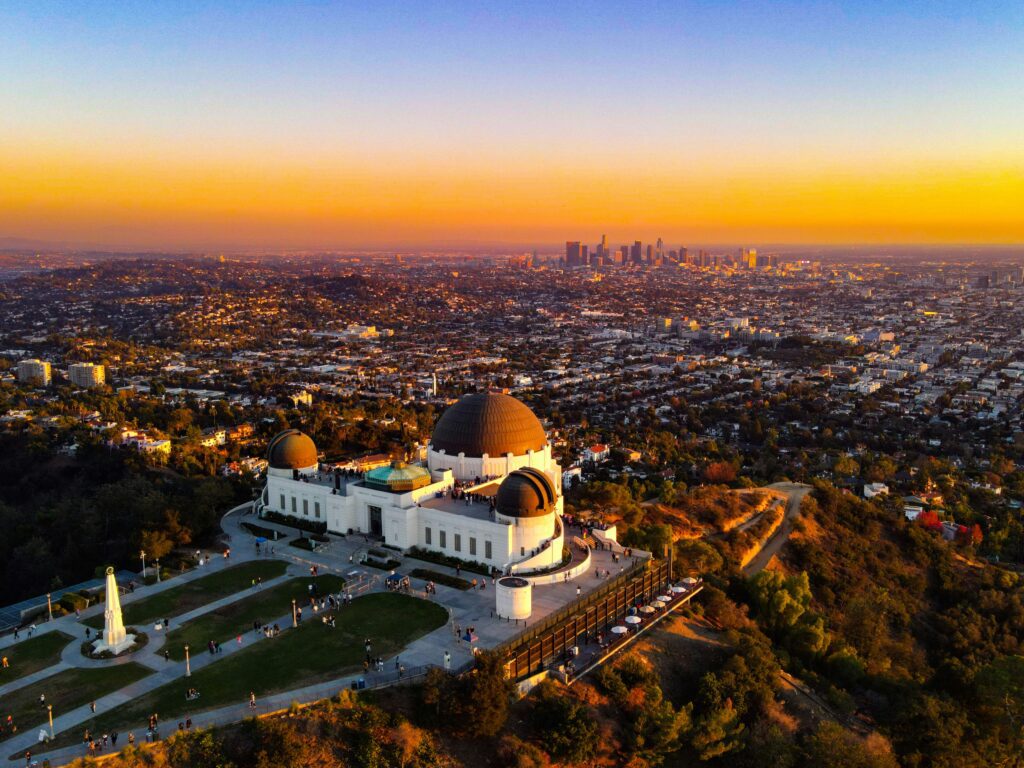
Day 5: Hollywood and Griffith Observatory
Hollywood Walk of Fame and TCL Chinese Theatre – the essential Hollywood sightseeing morning
Griffith Observatory – free panoramic views over the entire LA Basin, the Hollywood Sign, and a spectacular sunset
Dinner in Los Feliz or Silver Lake – two of LA’s most enjoyable neighborhood dining areas
Day 6: Santa Monica, Venice Beach, and the Coast
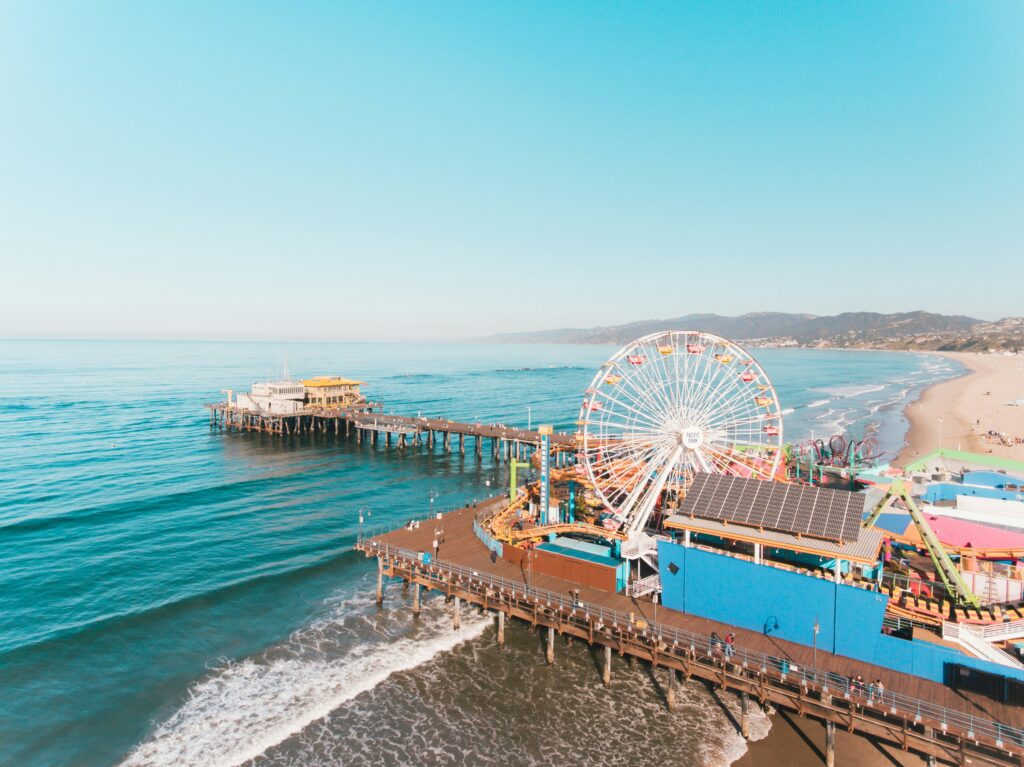
Santa Monica Pier and beach – morning on the Pacific
Bike the coastal path to Venice Beach — cycling the Strand from Santa Monica to Venice is one of the finest LA experiences
Abbot Kinney Boulevard and Venice Boardwalk – lunch and afternoon exploration in LA’s most creative neighborhood
Sunset at Santa Monica Beach – one of the most iconic California images
Day 7: Universal Studios or Beverly Hills and the Getty Center
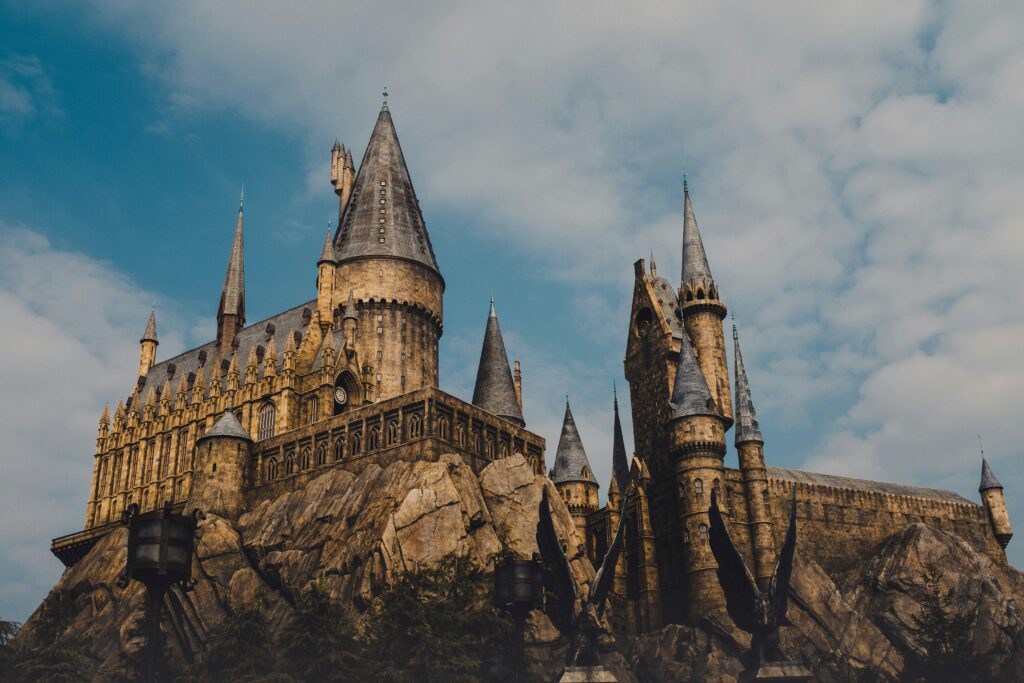
Option A: Universal Studios Hollywood – a full day at one of California’s finest theme parks. The Wizarding World of Harry Potter and the Studio Tour are essential.
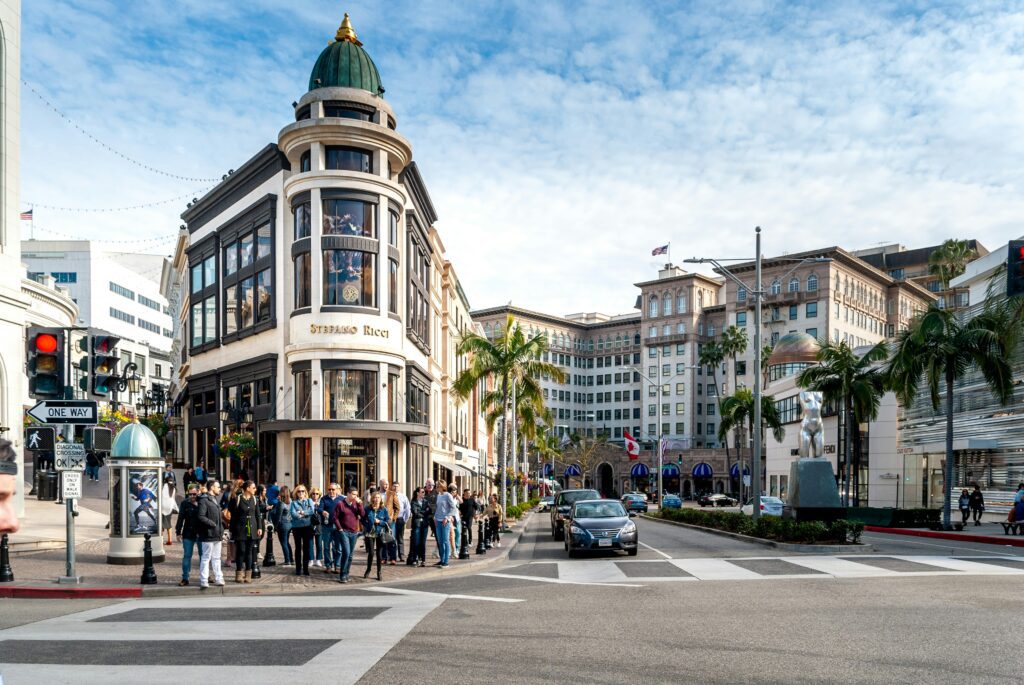
Option B: Beverly Hills (Rodeo Drive, The Beverly Hills Hotel) + Getty Center – free entry to one of the world’s greatest art museums with extraordinary city and Pacific views
Days 5-7 Practical Information
Where to stay in LA: Santa Monica for beach access and a central position; Hollywood for sightseeing proximity. See the full Los Angeles accommodation guide.
Getting around: a car is necessary for most LA activities. Park near your hotel and use rideshare for evening outings.
Days 8-9: San Diego – The Perfect Road Trip Finale
San Diego, Southern California
The drive from Los Angeles to San Diego takes approximately 2 to 2.5 hours via I-5 – a straightforward freeway drive through the communities of Orange County, passing Oceanside and Del Mar before reaching San Diego. San Diego is the perfect finale to the California road trip: a beautiful, relaxed, sunny city with outstanding beaches, world-class institutions, excellent Mexican food, and a coastal lifestyle that feels like a reward for the journey.
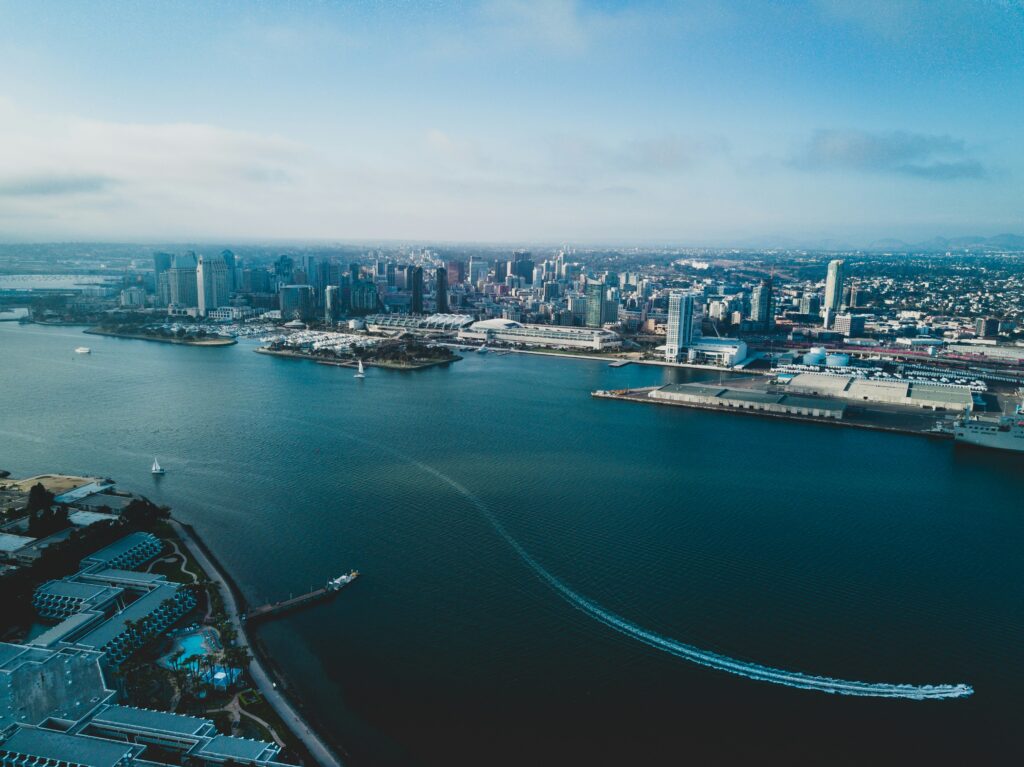
Day 8: Balboa Park and the Pacific Beach
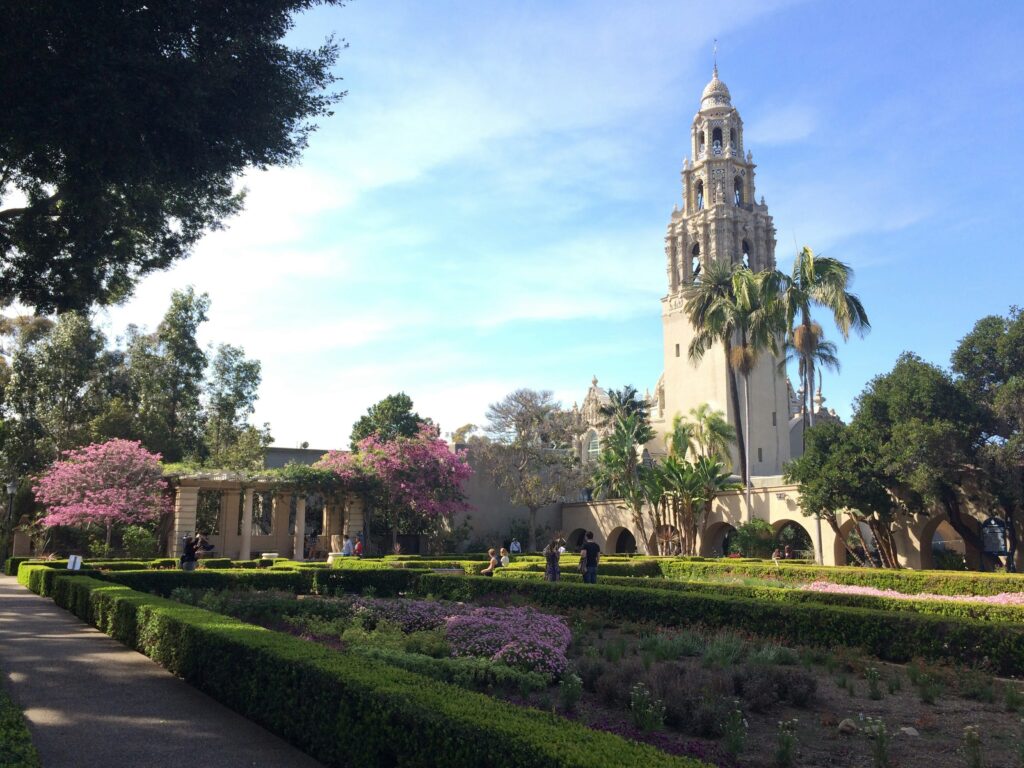
Spend the morning in Balboa Park – a magnificent 1,200-acre urban cultural park in the heart of San Diego, home to 17 museums (including the outstanding San Diego Museum of Art and the Museum of Natural History), the world-famous San Diego Zoo, Spanish Colonial Revival architecture, and beautifully maintained gardens. The San Diego Zoo alone justifies a half-day – one of the finest zoological parks in the world, home to giant pandas, koalas, and thousands of other species.
Balboa Park: free to enter. Most museums charge admission (approximately $12-$25). San Diego Zoo: approximately $64 adult, $54 child – book online.
Afternoon: Pacific Beach and Mission Beach – the classic San Diego beach experience. The boardwalk between Mission Beach and Pacific Beach is one of the most enjoyable beachfront walks in California.
Evening: dinner in the Gaslamp Quarter – San Diego’s historic Victorian-era entertainment district with excellent restaurants and bars
Day 9: La Jolla Cove and Coastal Exploration
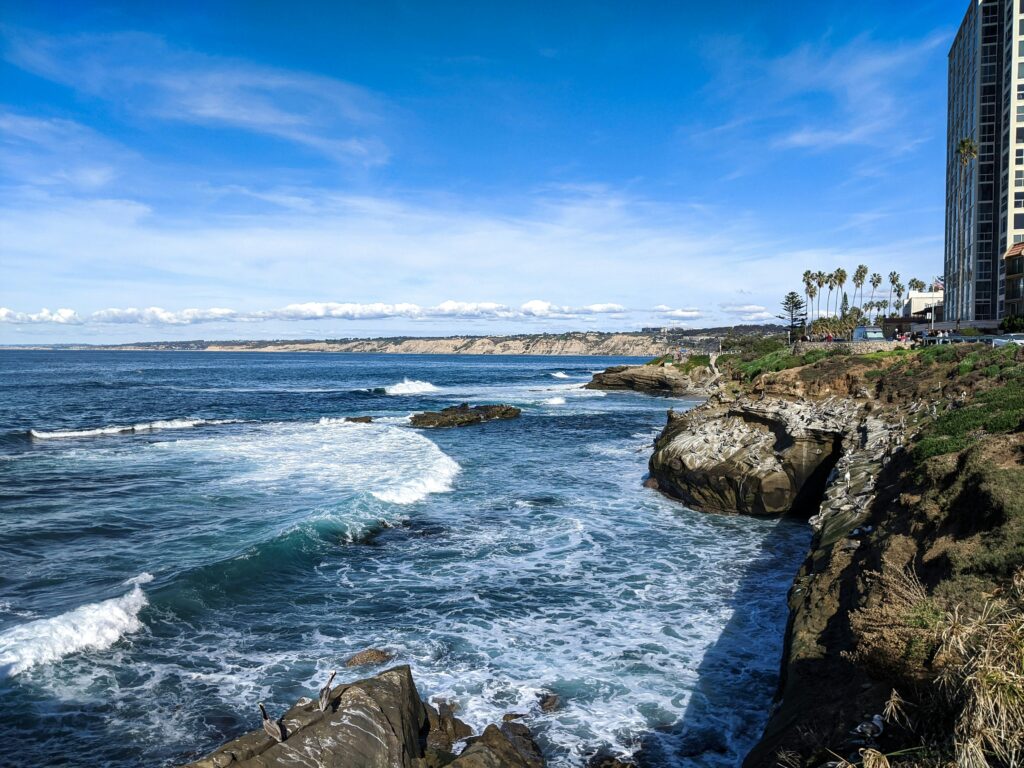
La Jolla – pronounced ‘La Hoya’ – is one of the most beautiful coastal villages in California, perched on sandstone cliffs above the Pacific approximately 15 miles north of Downtown San Diego. The La Jolla Cove is a protected marine reserve with extraordinarily clear water, sea caves, harbour seals, sea lions, and the finest snorkelling available anywhere on the California coast.
La Jolla Cove: free beach access. Snorkel gear rental available nearby (approximately $15-$25).
Children’s Pool Beach – a sheltered cove now occupied primarily by a resident colony of harbour seals. Spectacular wildlife viewing from the sea wall.
Cave Store and Sunny Jim Cave – a sea cave accessible by a carved tunnel staircase, one of La Jolla’s most distinctive attractions. Approximately $7 entry.
Birch Aquarium at Scripps (La Jolla) – a beautifully situated aquarium with outstanding Pacific Ocean exhibits and one of the finest collections of seahorses anywhere. Approximately $24 adult.
Torrey Pines State Natural Reserve – one of California’s finest coastal hiking destinations, with trails through ancient torrey pine forest above dramatic sandstone cliffs. Free entry with minimal parking fee.
Days 8-9 Practical Information
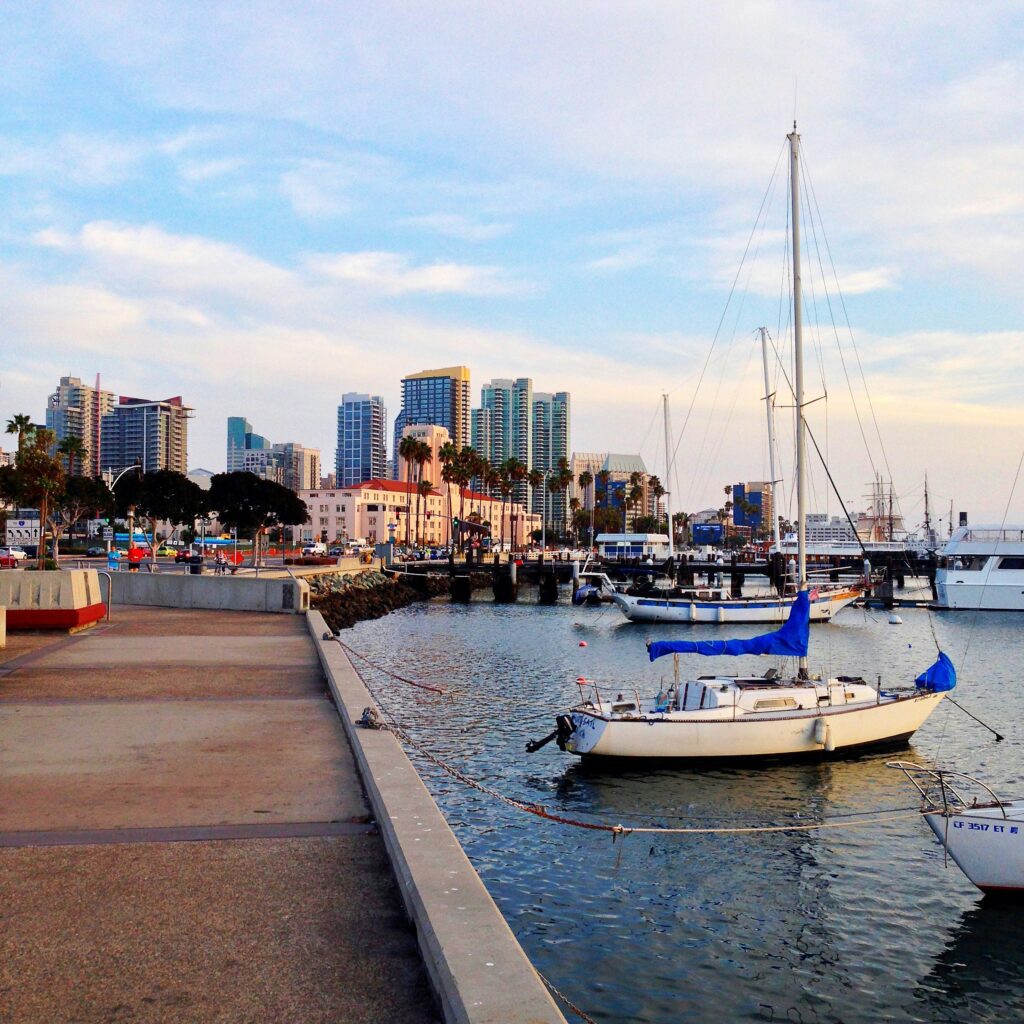
Where to stay in San Diego: La Jolla for beach and scenic beauty; the Gaslamp Quarter for nightlife and historic character; Coronado Island for a spectacular resort experience. Hotels from $150–$400+/night.
Return flight: San Diego International Airport (SAN) is one of the most dramatically positioned airports in the USA – the final approach over downtown and San Diego Bay is unforgettable.
Optional Extension: Yosemite National Park
Yosemite, Sierra Nevada
For visitors with 12 to 14 days, adding Yosemite National Park to the California road trip creates one of the finest and most comprehensive self-drive itineraries available anywhere. Yosemite is most conveniently visited as a 2 to 3-day detour from San Francisco at the start of the trip – driving east on Highway 120 from the Bay Area to Yosemite Valley (approximately 4 hours) before returning to SF and continuing south on Highway 1.
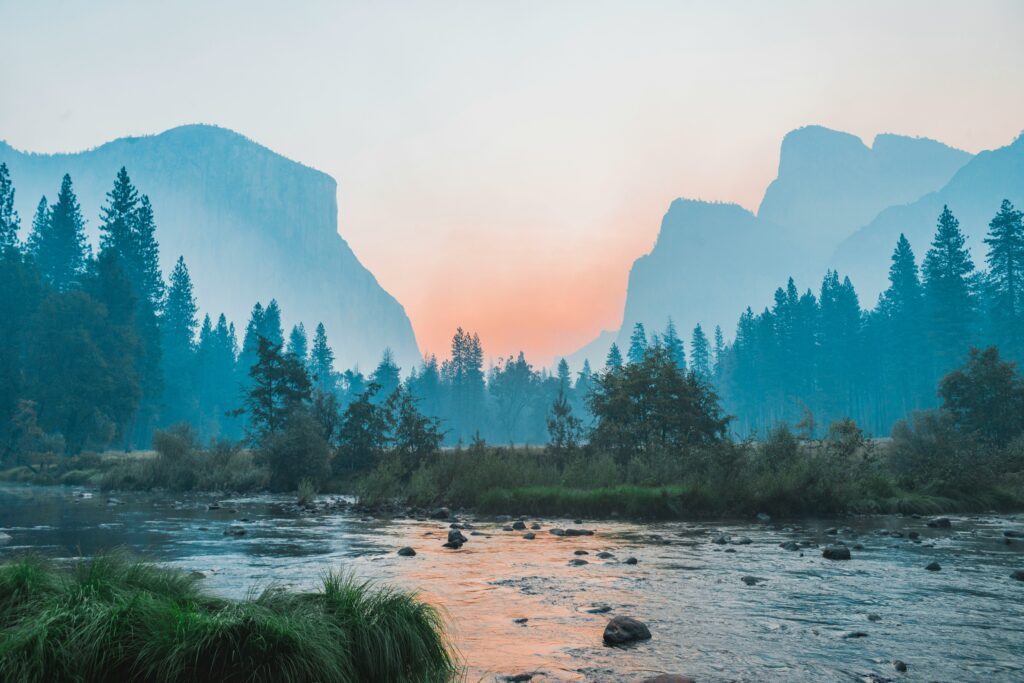
Must-See Highlights in Yosemite
Yosemite Valley – the most spectacular glacially carved valley in North America, with sheer granite walls rising 1,000+ metres on both sides. El Capitan, Half Dome, and Bridalveil Fall are the defining features.
Half Dome hike – the most famous and demanding hike in Yosemite, requiring a permit and 14 to 16 hours for the full ascent. Permit system required – book at recreation.gov months in advance.
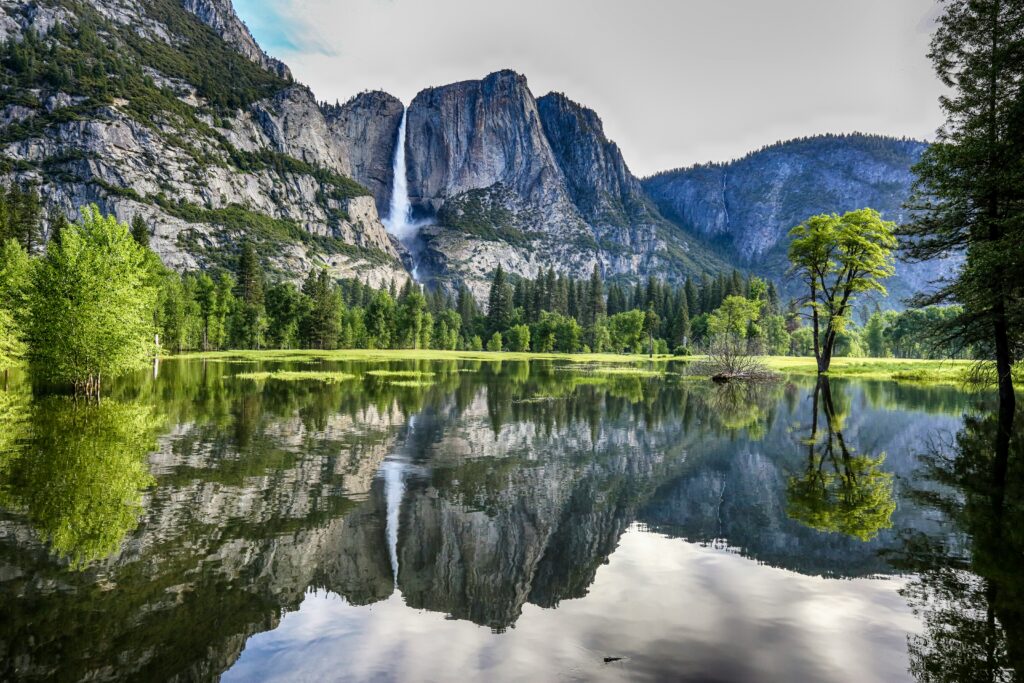
Yosemite Falls – one of the tallest waterfalls in North America. The lower fall trail (1.6 miles round trip) is accessible to all visitors. Best flow in spring.
Tunnel View and Valley View viewpoints – two of the most dramatic and photogenic viewpoints in the park, offering panoramic views of the Valley
Mirror Lake – a beautiful seasonal lake reflecting Half Dome and the surrounding cliffs. Accessible by a 5-mile round trip walk from the Valley floor.
Glacier Point – accessible by road in summer, Glacier Point offers a 360-degree panoramic view over the entire Valley from 2,200 metres elevation. One of the most spectacular viewpoints in the USA.
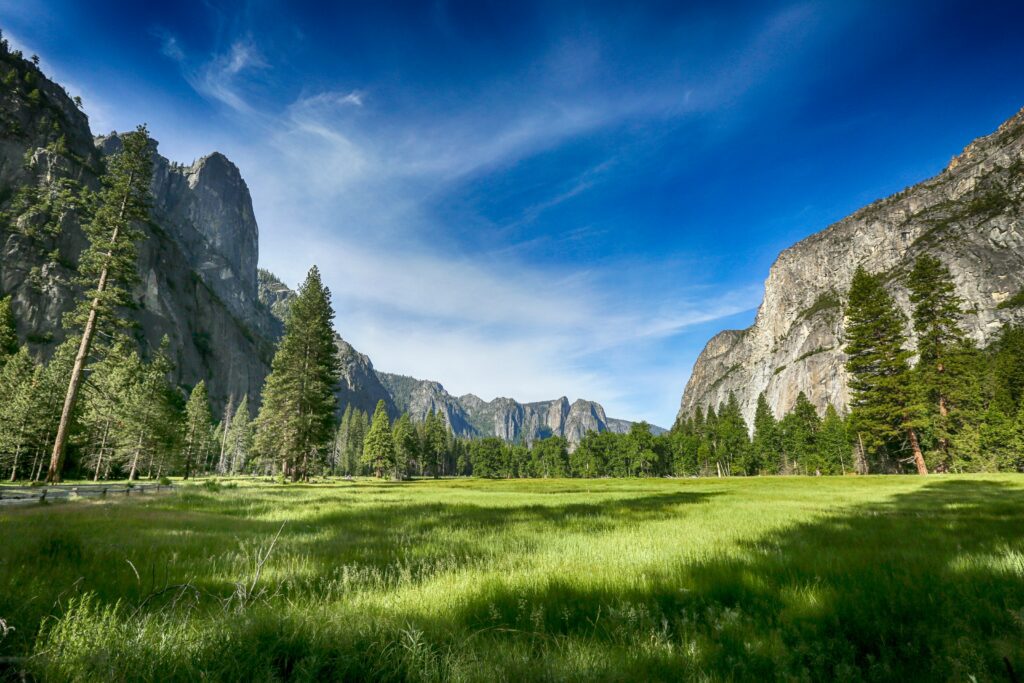
Yosemite Practical Information
Park entrance fee: $35 per vehicle (valid 7 days) – America the Beautiful annual pass covers entry or book special tours.
Accommodation: book 6 to 12 months in advance. Ahwahnee Hotel (historic luxury), Curry Village, and Yosemite Valley Lodge are the main options. Camp sites also book up months ahead.
Timed entry permits: Yosemite requires advance timed entry permits from late spring through summer. Book at recreation.gov when they become available – typically several months before visit.
Best time to visit: May and June for the finest waterfall flows; September and October for smaller crowds and beautiful autumn colors
California Road Trip: Where to Stay
San Francisco: Union Square, Embarcadero, or the Mission District. Hotels from $150-$400+/night. Book well in advance for summer.
Big Sur: accommodation is limited and expensive. Ventana Big Sur from $900/night; Big Sur Lodge from $250/night. Book 3 to 6 months ahead. Alternatively, base yourself in Carmel (more options, lower prices) and day-drive through Big Sur.
Santa Barbara (optional stop): excellent mid-range and boutique hotels from $200-$400/night. The Biltmore Four Seasons is one of the finest hotels in California.
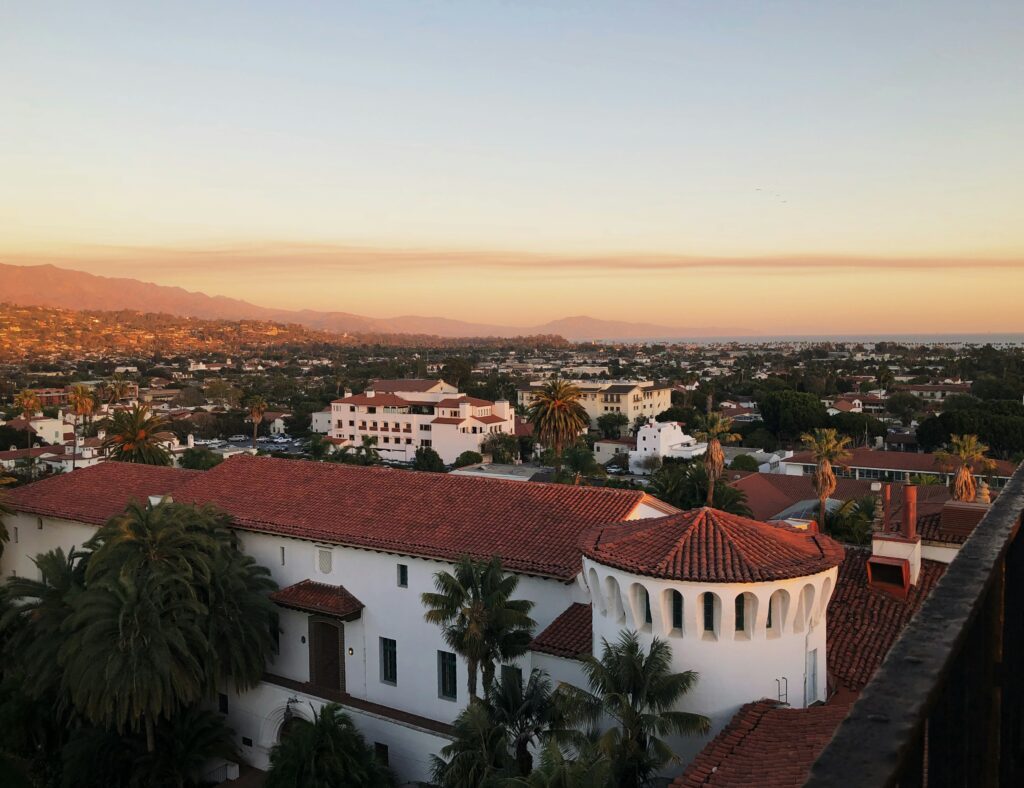
Los Angeles: Santa Monica for beach access ($200-$600+/night); Hollywood for sightseeing ($130-$300/night); Downtown for value ($100-$250/night). See the full Los Angeles accommodation guide.
San Diego: La Jolla for beauty and beaches ($200-$500+/night); Gaslamp Quarter for city energy ($150-$350/night); Coronado Island for resort experience ($300-$600+/night).
Yosemite: book 6 to 12 months in advance. Ahwahnee Hotel from $600+/night; Curry Village tents from $130/night; camping from $36/night.
California Road Trip: Essential Tips
Rent a Car
A rental car is essential for a California road trip. Book well in advance – particularly for summer travel (June-August) when demand is extremely high and prices rise significantly. Los Angeles International Airport (LAX) and San Francisco International Airport (SFO) are the most convenient pickup and drop-off points for this itinerary. A one-way rental (picking up in SF and dropping in San Diego) is the most practical option – one-way fees are typically manageable.
Plan Fuel Stops
Petrol stations are sparse on Highway 1 through Big Sur and on mountain roads to Yosemite. Fill your tank at the last opportunity before entering remote sections – particularly before the Big Sur section of PCH, before entering Yosemite from the west, and before any desert driving if extending to Joshua Tree or Death Valley. Petrol prices in California are among the highest in the USA.
Book Accommodation Early
California’s most popular destinations – particularly Big Sur, Yosemite, and popular San Francisco hotels – book out months in advance during peak season. Book accommodation as soon as your travel dates are confirmed, ideally 3 to 6 months ahead for summer travel. For Yosemite, accommodation and timed entry permits require planning even further in advance.
Check the Weather and Road Conditions
Coastal fog is a common feature of the Northern California coast – San Francisco is often overcast in the morning, clearing to sunshine by early afternoon. Highway 1 through Big Sur is occasionally subject to closures due to landslides and rockfalls. Always check Caltrans (dot.ca.gov) for current road conditions before driving the Pacific Coast Highway. Yosemite roads may be closed by snow from November to May depending on the year.
Why the California Road Trip Is One of the World’s Greatest Drives
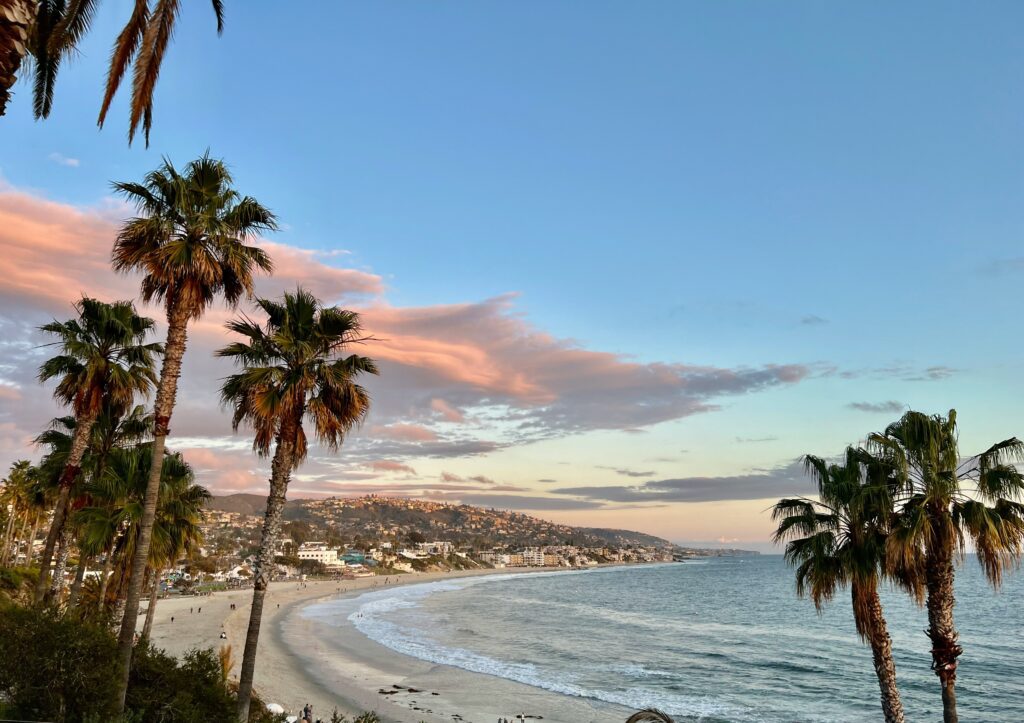
A California road trip from San Francisco to San Diego via the Pacific Coast Highway is one of the most extraordinary journey experiences available on Earth – a drive that combines the finest urban destinations in the American West with the most dramatic and beautiful coastal scenery in North America, passing through ancient redwood forests, seaside villages, sun-soaked beaches, and the world-class cities of Los Angeles and San Diego. It is genuinely hard to match for sheer variety, quality, and the sense of freedom that the open Pacific Coast Highway delivers.
Frequently Asked Questions: California Road Trip
How Long Do You Need for a California Road Trip?
7 to 14 days is the ideal range for a California road trip. Seven days covers the essential route (SF → Big Sur → LA → San Diego) at a reasonable pace. Ten to fourteen days allows a more relaxed journey with time for Yosemite, a Santa Barbara stop, and deeper exploration of each city.
What Is the Best California Road Trip Route?
The best route is San Francisco → Pacific Coast Highway → Big Sur → Santa Barbara → Los Angeles → San Diego, driving south along the coast. This direction gives the finest views – you drive on the ocean side of the highway, with the Pacific always to your right. An optional Yosemite detour can be added at the start of the trip from San Francisco.
When Is the Best Time for a California Road Trip?
Spring (April-May) and autumn (September-October) are the best times – comfortable temperatures, beautiful landscapes, and fewer crowds than peak summer. Spring offers the finest waterfall flow in Yosemite. Summer is the most popular period but also the most crowded and expensive. Winter is possible on the coast but Yosemite mountain roads may be closed.