California is one of the most geographically diverse places on Earth. Within a single state, you can walk through forests of trees that were already ancient when the Roman Empire fell, stand on sand dunes at the lowest point in North America, scramble up granite walls that attract climbers from every corner of the globe, and watch the Pacific coast fog roll in beneath the tallest trees on the planet.
All of this is possible because California is home to nine national parks – more than any other state in the USA. Whether you are planning a two-week road trip or a weekend escape from Los Angeles, this guide covers everything you need to know: the best parks, what to see, the ideal time to visit, entry fees, and how to combine multiple parks into a single trip.
- In this guide, you’ll discover:
- the best national parks in California
- what to see in each park
- the best time to visit
- how to plan a road trip
What are the best national parks in California?
The best national parks in California are:
- Yosemite National Park
- Joshua Tree National Park
- Death Valley National Park
- Sequoia National Park
- Redwood National and State Parks
These parks offer mountains, deserts, forests, and coastlines – making California one of the best places for nature travel in the world.
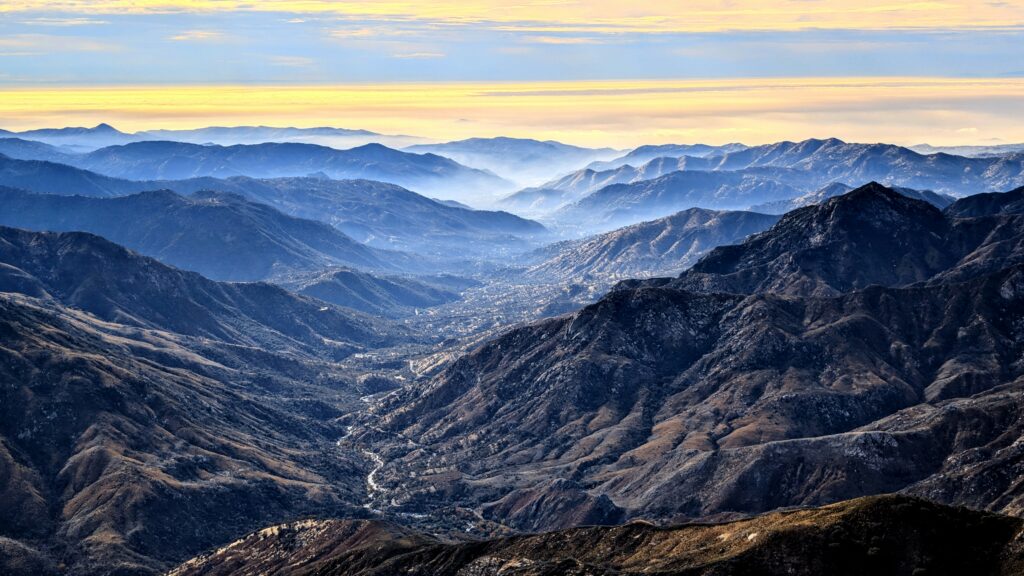
Overview: National Parks in California
California’s parks stretch from the north coast to the southern deserts.
Before diving into each park individually, it helps to understand the scale and diversity. California’s nine national parks stretch from the far north to the deep south, covering dramatically different landscapes – from towering redwood forests to some of the hottest desert terrain on Earth.
The most visited parks are Yosemite, Joshua Tree, and Death Valley. However, parks like Sequoia and Redwood are equally spectacular and often significantly less crowded. The remaining parks – Kings Canyon, Channel Islands, Pinnacles, and Point Reyes National Seashore – are ideal for travelers who want to explore beyond the typical tourist route.
This guide focuses on the most popular and accessible parks, especially for travelers visiting or based in Los Angeles.
Most popular:
- Yosemite
- Joshua Tree
- Death Valley
Less crowded but incredible:
- Sequoia
- Redwood
Tip: If you want fewer crowds, skip peak summer.
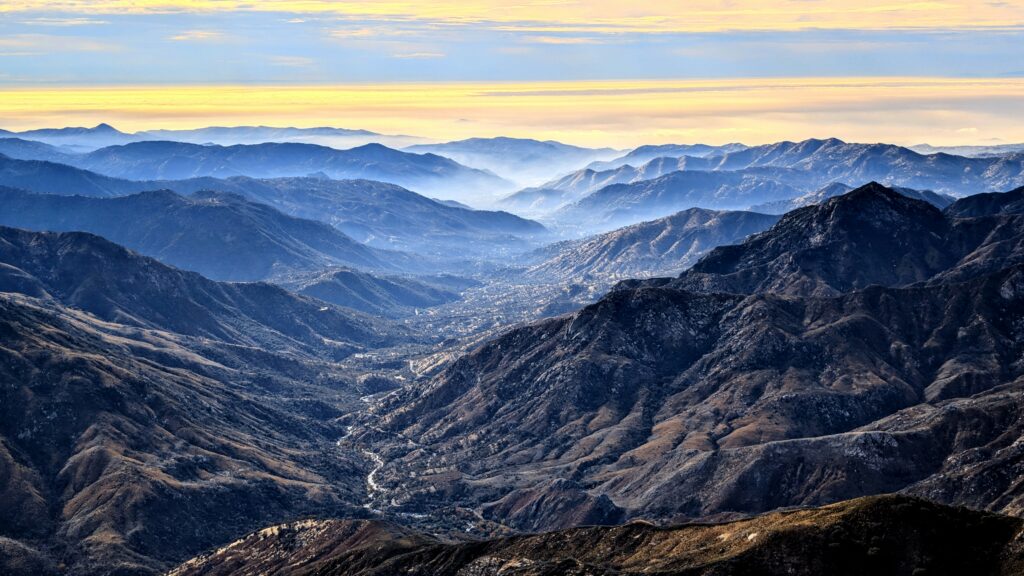
Yosemite National Park
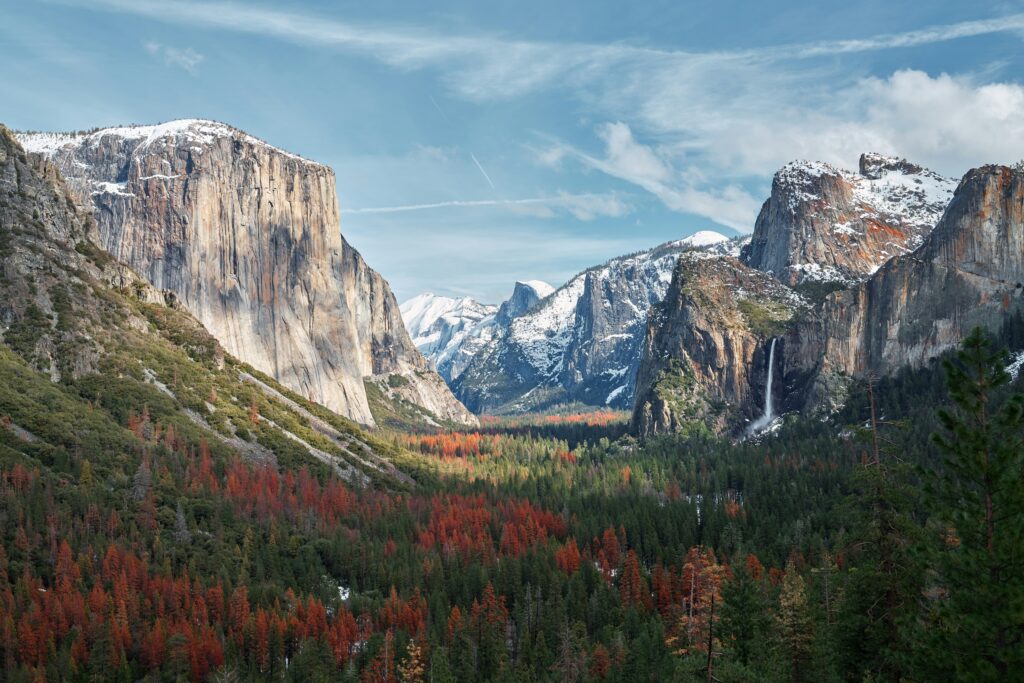
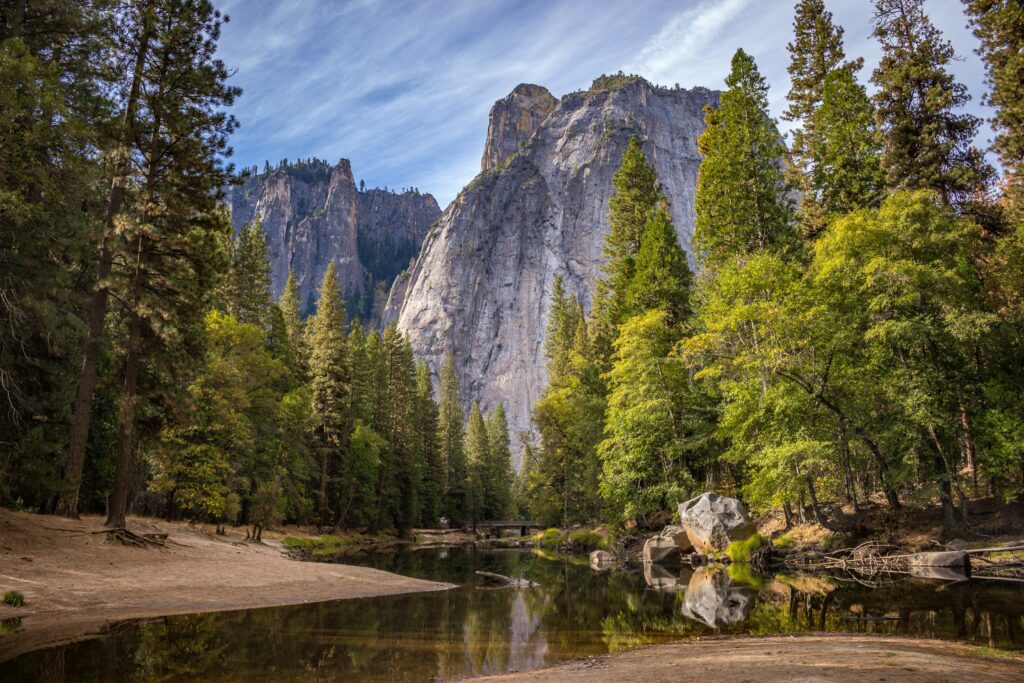
Yosemite is the most famous national park in California – known for granite cliffs, waterfalls, and iconic views.
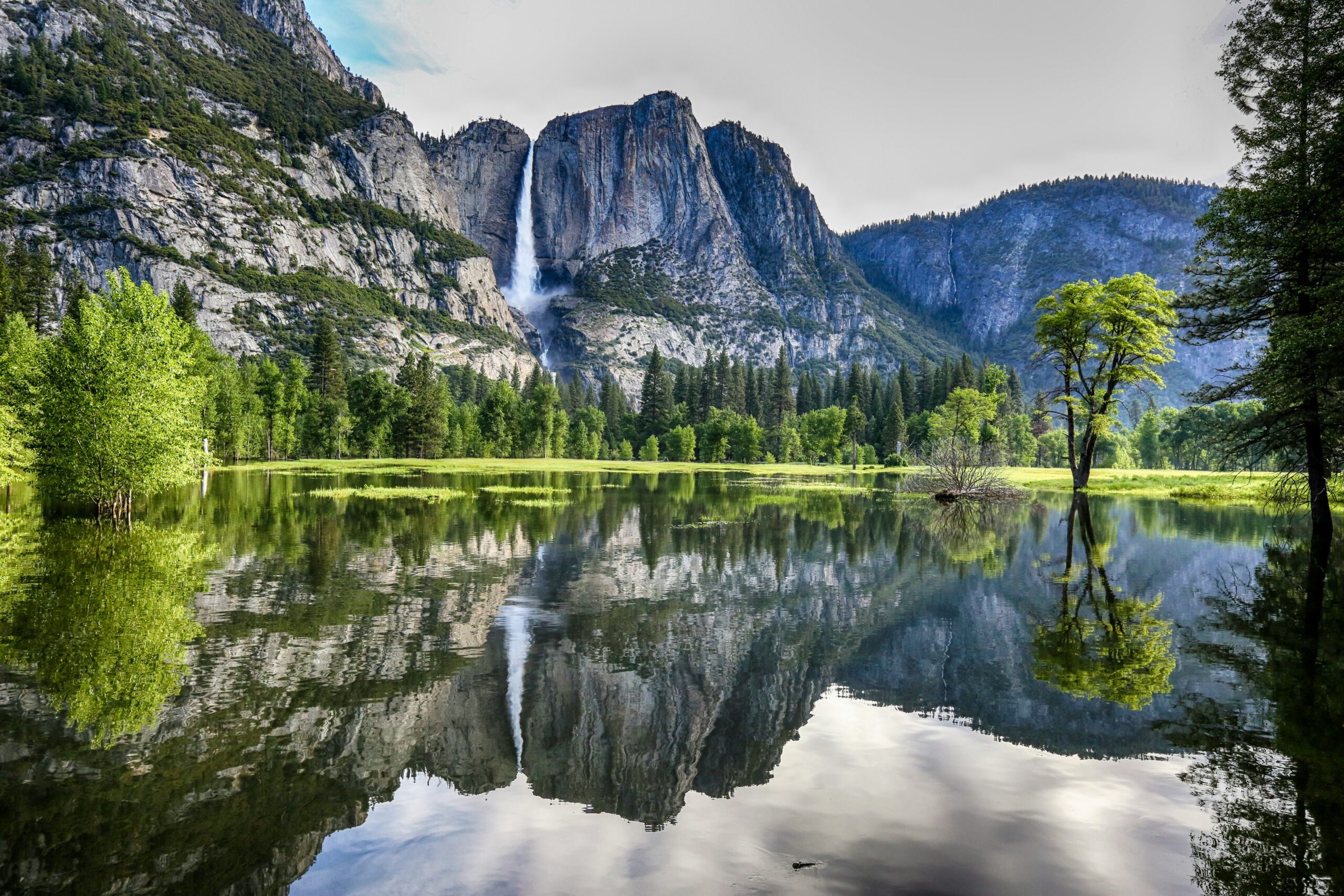
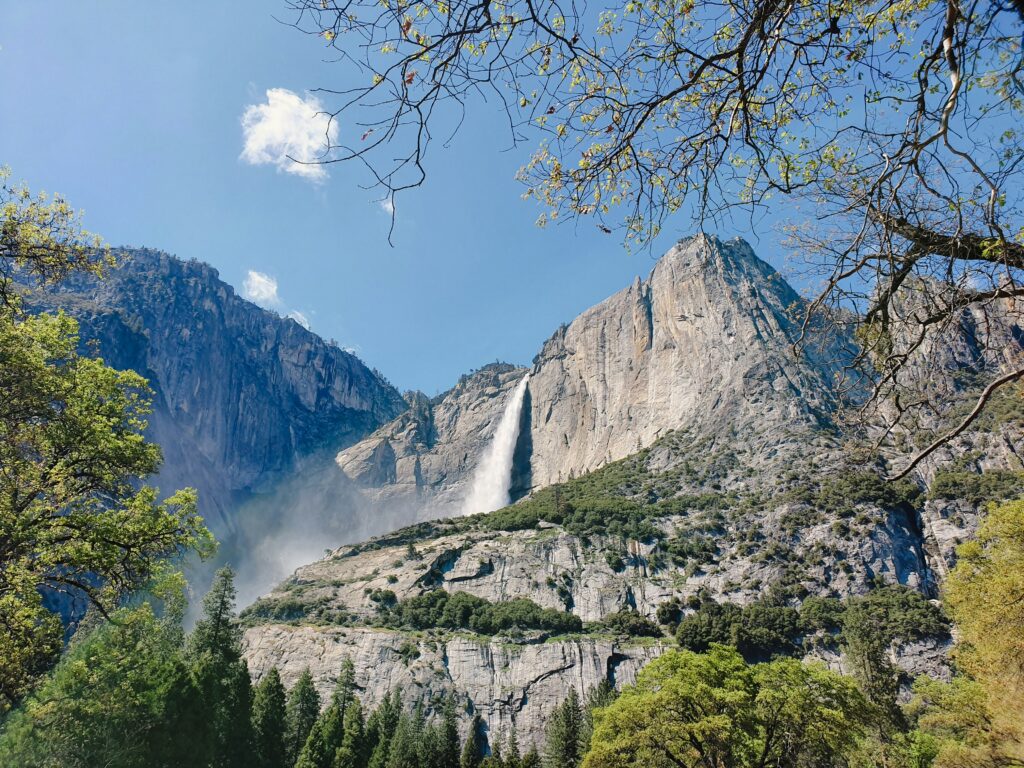
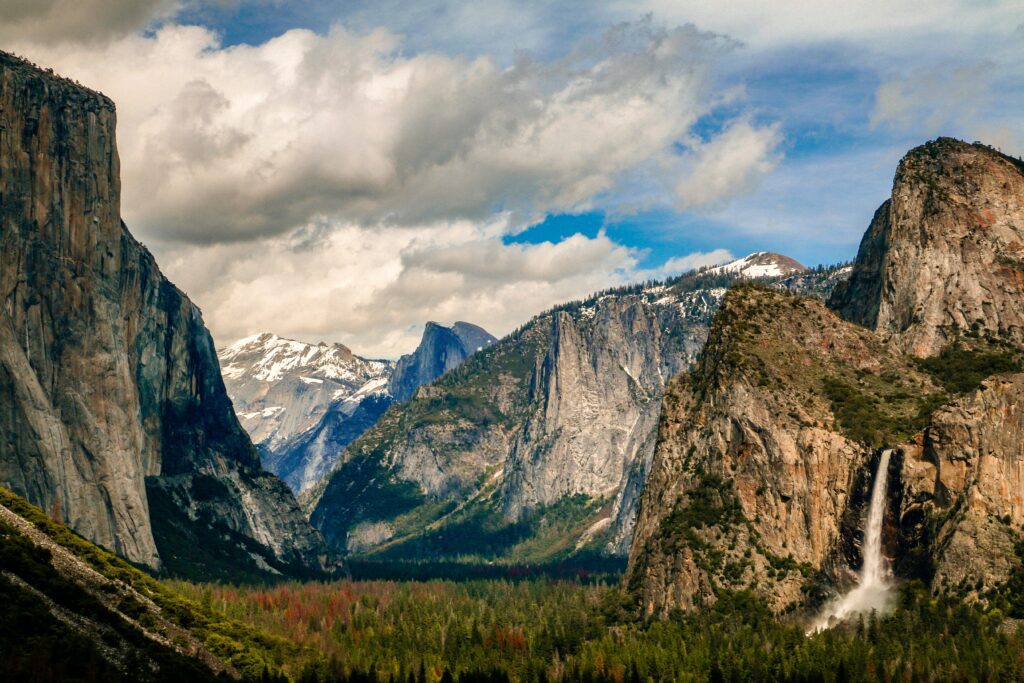
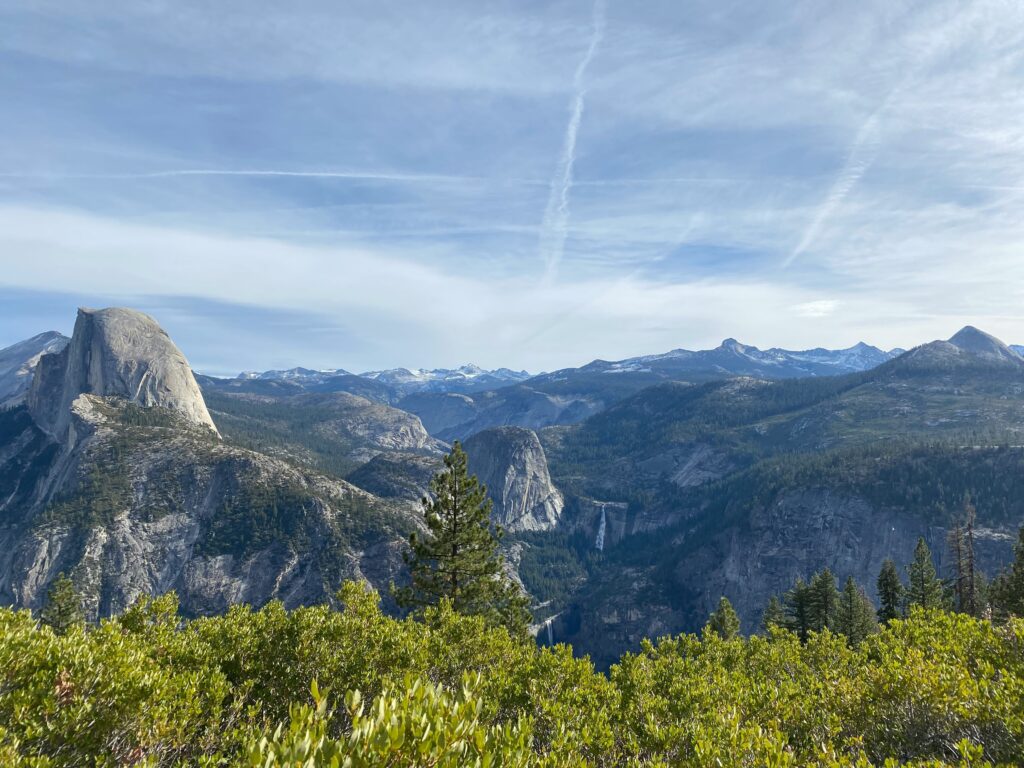
Yosemite is widely considered the crown jewel of California’s national parks. The Yosemite Valley, carved by glaciers over millions of years, is one of the most dramatic natural landscapes in the world. Massive granite formations like El Capitan and Half Dome rise nearly vertically above the valley floor, while Yosemite Falls – one of the tallest waterfalls in North America – flows powerfully in spring and early summer.
One of the most iconic viewpoints in the park is Tunnel View. After passing through a short tunnel, the landscape opens into a panoramic scene of the valley, with El Capitan on the left, Half Dome in the distance, and Bridalveil Fall on the right. If you only have time for one stop, this is the place.
Hiking options range from easy valley walks to demanding full-day adventures. The Half Dome hike is one of the most famous in the world, requiring a permit and significant preparation. More accessible options include the Valley Loop Trail or the hike to Vernal Fall, which offers impressive waterfall views without requiring advanced fitness.
In the southern part of the park, Mariposa Grove is home to hundreds of giant sequoia trees, including the Grizzly Giant, estimated to be around 2,700 years old. The atmosphere here is quieter and more reflective compared to the dramatic valley.
Top things to do:
- Tunnel View (best viewpoint)
- Yosemite Falls
- Half Dome hikes
- Best time to visit: May-June (waterfalls at peak)
- Book Yosemite National Park tour
Joshua Tree National Park
Located just a few hours from Los Angeles, Joshua Tree is perfect for a short trip.
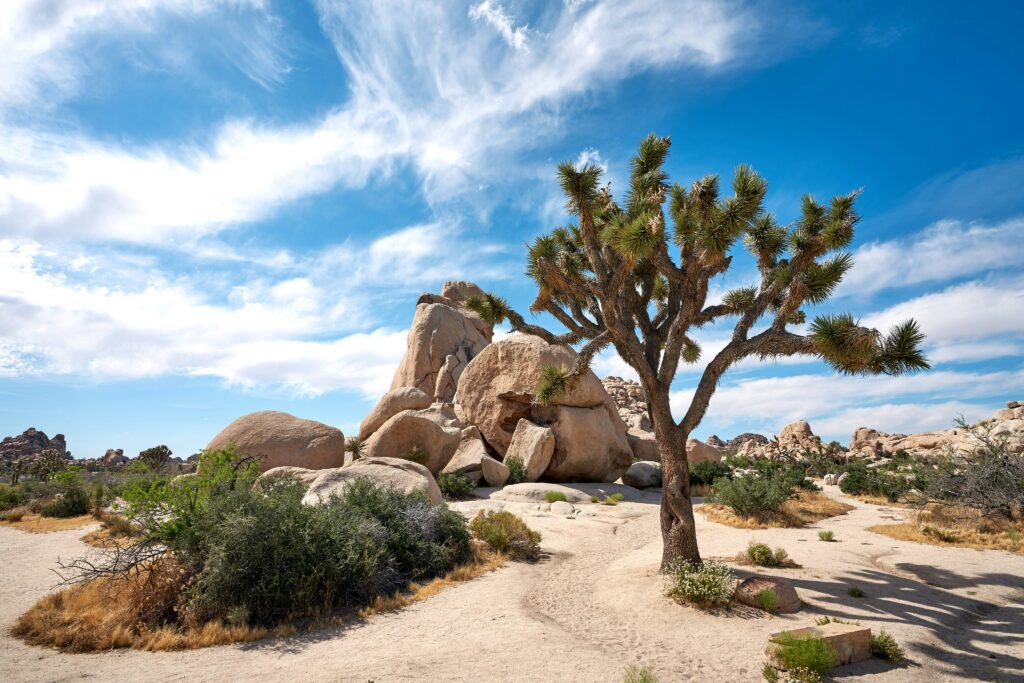
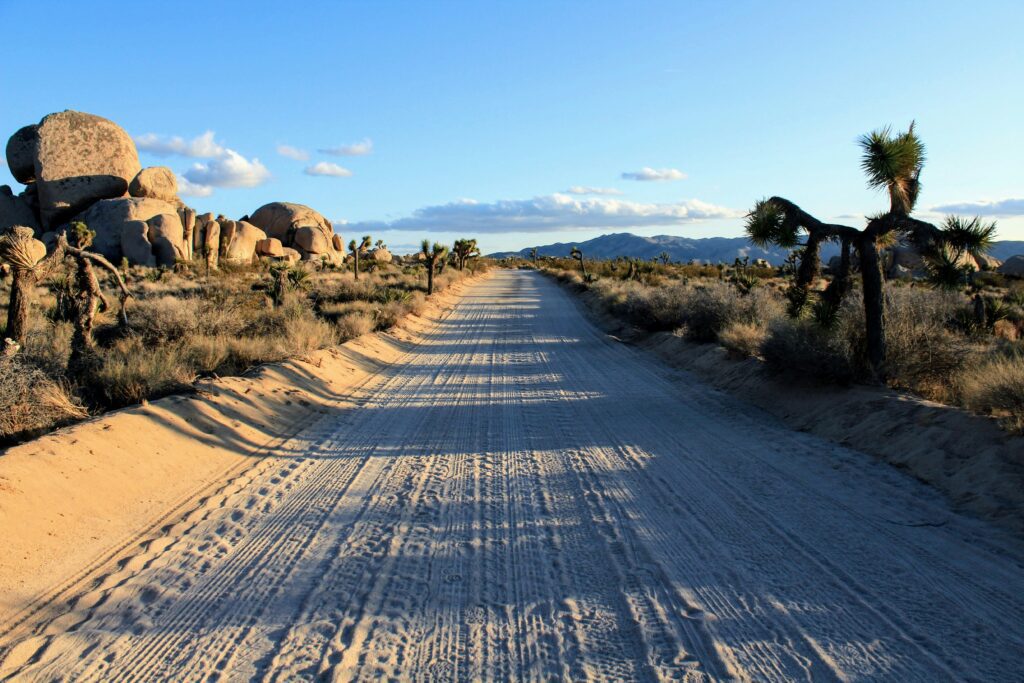
Joshua Tree is the most accessible national park from Los Angeles and one of the most unique landscapes in the American Southwest. The park sits at the meeting point of two distinct desert ecosystems: the Mojave Desert and the Colorado Desert.
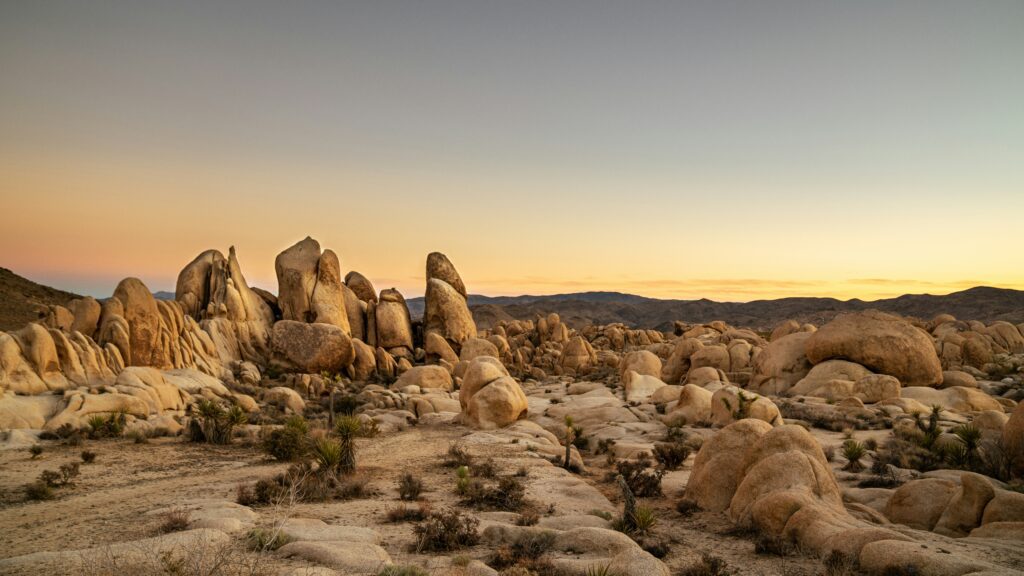
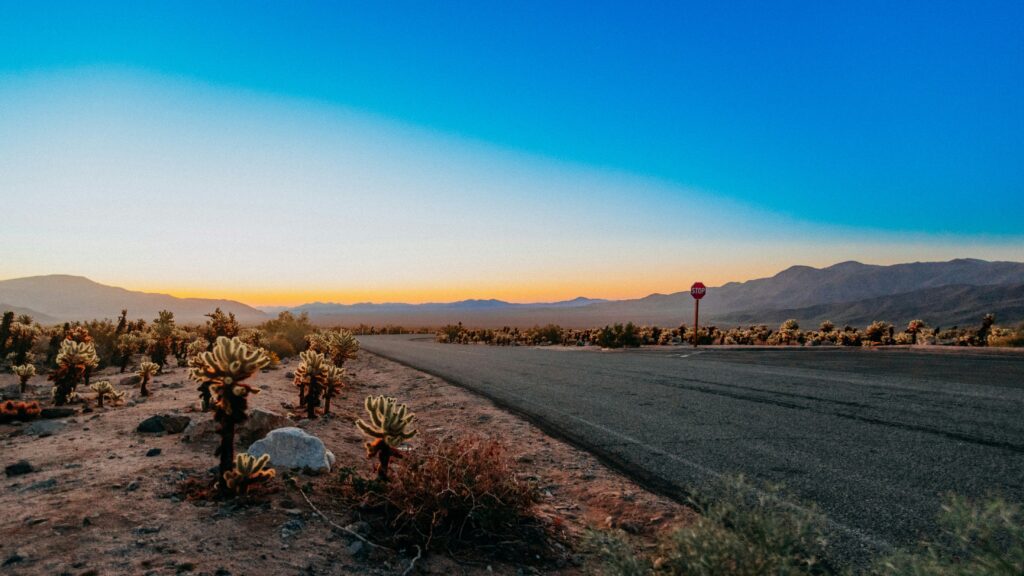
The Joshua tree itself – technically a type of yucca – is a striking and unusual plant that can live for hundreds of years. The desert landscape becomes especially beautiful at sunset, when the light turns warm and golden.
During the day, visitors can explore hiking trails, rock formations, and scenic drives. Keys View offers one of the best panoramas in the park, with views stretching across the Coachella Valley.
At night, Joshua Tree transforms into a world-class stargazing destination. As an International Dark Sky Park, it offers exceptionally clear night skies, making it one of the best places in California to see the Milky Way.
Highlights:
- desert landscapes
- Keys View
- stargazing
- One of the best dark sky parks in the USA.
- Book Joshua Tree National Park tour
Death Valley National Park
Death Valley is the hottest place on Earth and home to the lowest point in North America.
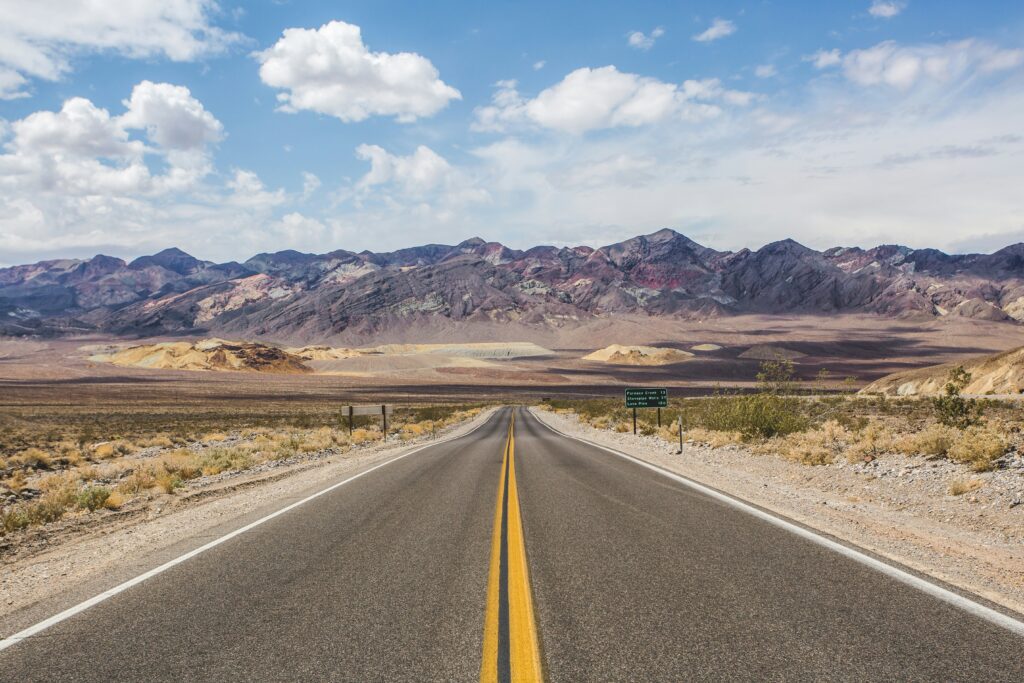
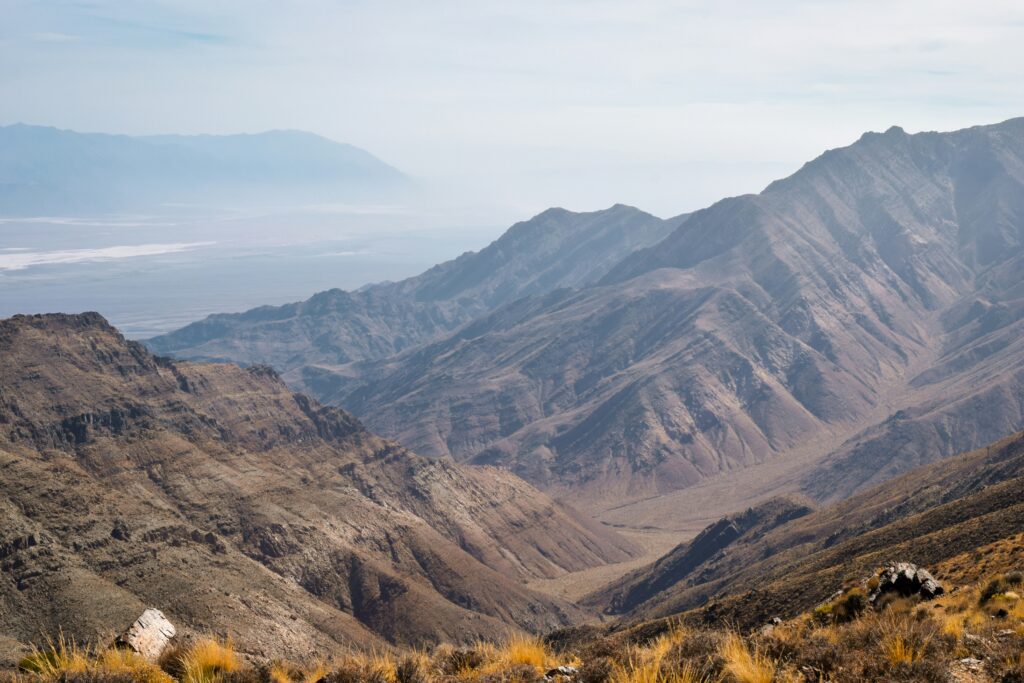
Death Valley is a land of extremes. It holds the record for the highest air temperature ever recorded on Earth and contains Badwater Basin, the lowest point in North America. It is also the largest national park in the contiguous United States.
Despite these harsh conditions, Death Valley is incredibly beautiful. Zabriskie Point at sunrise reveals a landscape of golden ridges and valleys that looks almost unreal. Artist’s Drive winds through hills colored by mineral deposits, creating shades of pink, green, yellow, and purple.
Mesquite Flat Sand Dunes are another highlight, especially in the early morning when shadows create dramatic patterns across the sand.
The best time to visit is between November and February, when temperatures are comfortable and the park is much more accessible.
Highlights:
- Badwater Basin
- Zabriskie Point
- Mesquite Sand Dunes
- Avoid summer – extreme heat
- Book Death Valley National Park tour
Sequoia and Kings Canyon National Parks
These parks are famous for the largest trees on Earth.
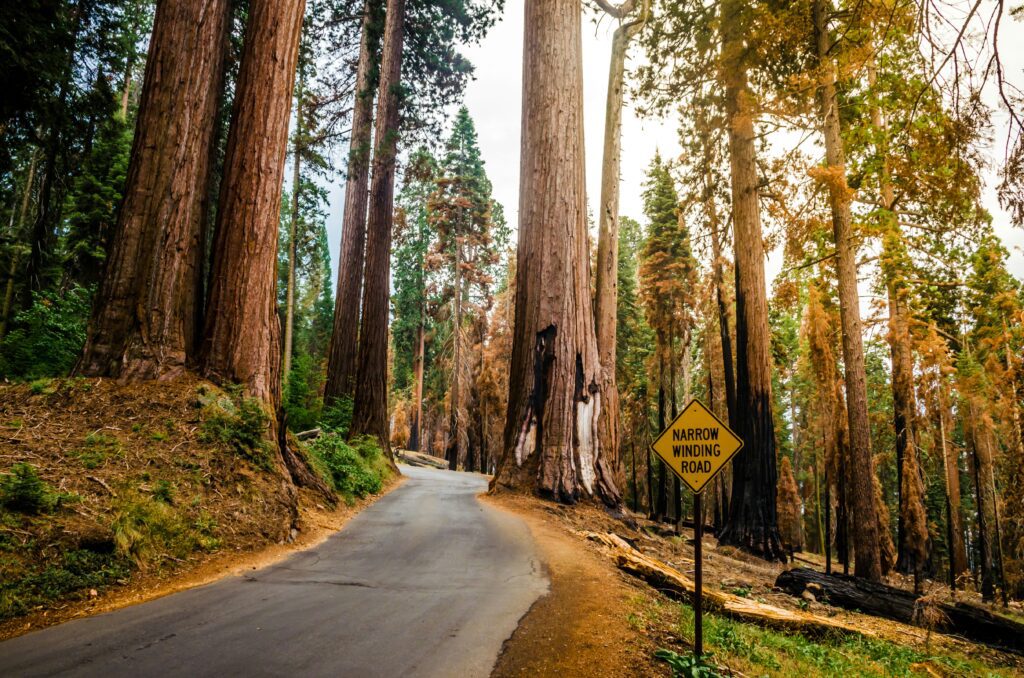
Sequoia and Kings Canyon are often explored together due to their proximity and similar landscape. Both parks are known for their giant sequoia trees – the largest living organisms on Earth by volume.
The most famous is the General Sherman Tree, which stands over 80 meters tall and is estimated to be between 2,300 and 2,700 years old. Standing next to it is an unforgettable experience.
The Congress Trail is one of the best walks in the park, offering a relatively easy route through massive sequoia groves. For panoramic views, Moro Rock provides a stunning perspective over the surrounding mountains.
Kings Canyon offers equally dramatic scenery, with deep valleys, granite cliffs, and the Kings River flowing through the canyon floor. Compared to Yosemite, it is far less crowded.
Highlights:
- General Sherman Tree
- Congress Trail
- Moro Rock
- Perfect for peaceful nature experience
- Book Sequoia and Kings Canyon National Parks tour
Redwood National and State Parks
Home to the tallest trees on Earth.
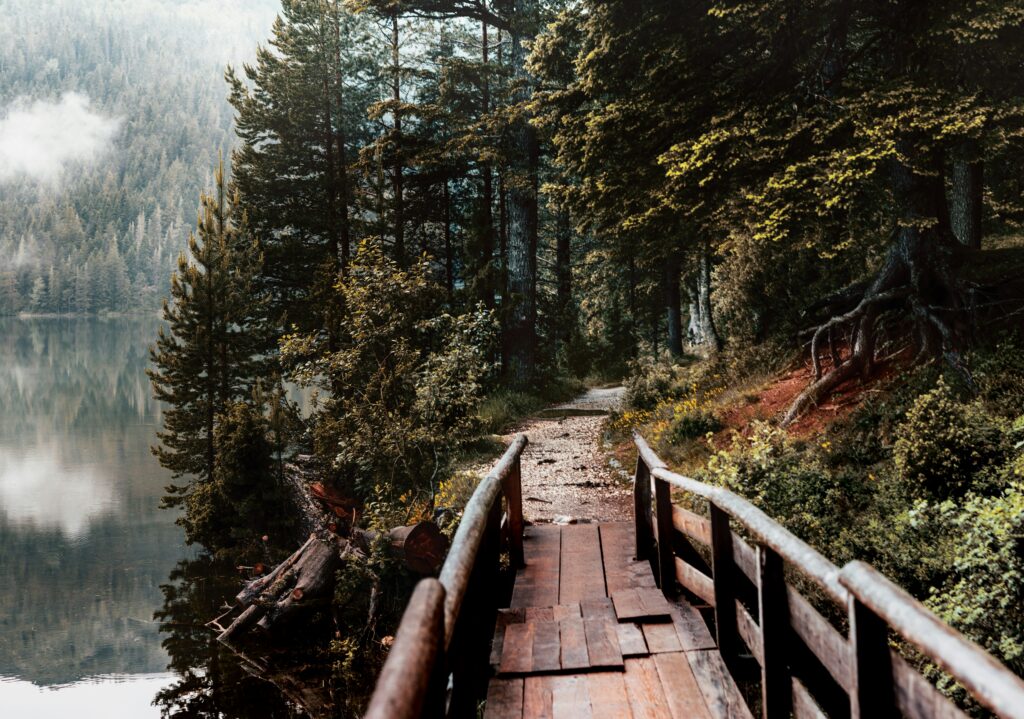
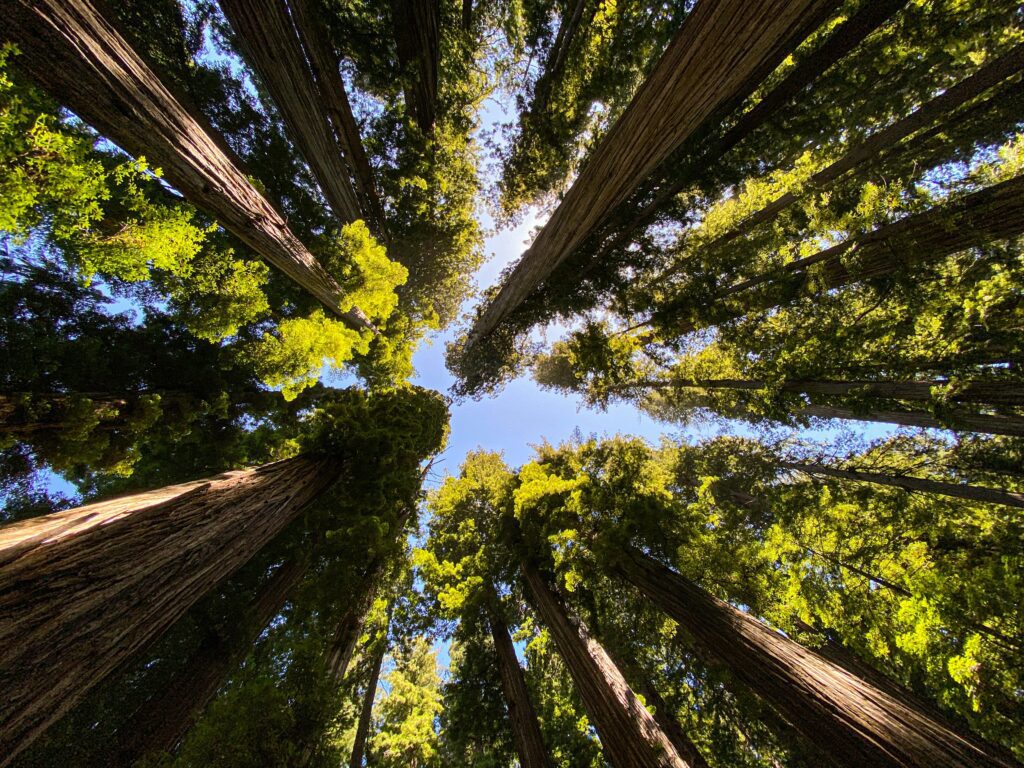
Redwood National Park protects the tallest trees on Earth. Walking through these forests feels almost unreal – the trees are so tall that sunlight filters through in beams, and the entire environment feels quiet and timeless.
One of the most unique spots is Fern Canyon, where canyon walls are completely covered in ferns. It’s a short and easy walk, but one of the most memorable experiences in the park.
Scenic drives through the redwood forests are also a highlight, offering a different perspective on the scale and beauty of these ancient trees.
Highlights:
- Fern Canyon
- scenic drives
- hiking
- One of the most unique landscapes in the world
- Book Redwood National and State Parks tour
How to Visit Multiple Parks
The best way to explore California’s parks is by road trip.
– Recommended route:
- Los Angeles
- San Francisco
- Yosemite
- Sequoia
- For a complete plan, read the full California road trip itinerary
Where to Stay:
Planning your trip?
- Check our guide on where to stay in Los Angeles for the best hotels before or after visiting national parks.
- For a full travel plan, see our Los Angeles itinerary (3–5 days)

Visiting National Parks in California from Los Angeles
If you’re staying in Los Angeles:
- Joshua Tree → 2–3 hours
- Death Valley → 4–5 hours
- Sequoia → ~4 hours
– You can combine these trips with our guide on what to do in Los Angeles.

Best Time to Visit National Parks:
When is the best time to visit national parks in California?
- ? Spring → best overall
- ☀️ Summer → best for mountains
- ? Fall → fewer crowds
- ❄️ Winter → best for deserts
– Spring is the best season for most travelers.
Practical Tips:
- book accommodation early
- start your day early
- download offline maps
- bring enough water
Final Thoughts
California’s national parks offer some of the most breathtaking landscapes in the world.
From mountains and forests to deserts and coastlines, each park is completely unique.
Whether you’re planning a short trip or a full road trip, California is one of the best destinations for nature lovers.
For detailed information about national parks in California, check National Park Service.
FAQ: National Parks in California
How many national parks are in California?
There are 9 national parks in California – the most of any U.S. state.
What is the best national park in California?
Yosemite is the most famous, but each park offers something unique.
Do you need a car?
Yes – a car is essential for visiting most parks.
Related Guides:
Looking for more? Browse our related posts:
- What to do in Los Angeles
- Los Angeles itinerary (3-5 days)
- Where to stay in Los Angeles
- California road trip itinerary
For more travel guides and itineraries, visit Explorelio.com.