The Japanese Grand Prix is one of the most iconic, atmospheric, and technically demanding races in the entire Formula 1 calendar. The Suzuka Circuit is a temple of motorsport: a track that has hosted legendary championship battles, produced some of the greatest moments in F1 history, and earned the devotion of racing fans around the world. In this comprehensive Japanese Grand Prix 2026 travel guide, you’ll find everything you need – from Suzuka Circuit tickets and grandstand recommendations, to where to stay near Suzuka, how to get to Suzuka Circuit, things to do in Japan, and essential first-timer tips.
Where Is Suzuka Circuit? Location and Getting There
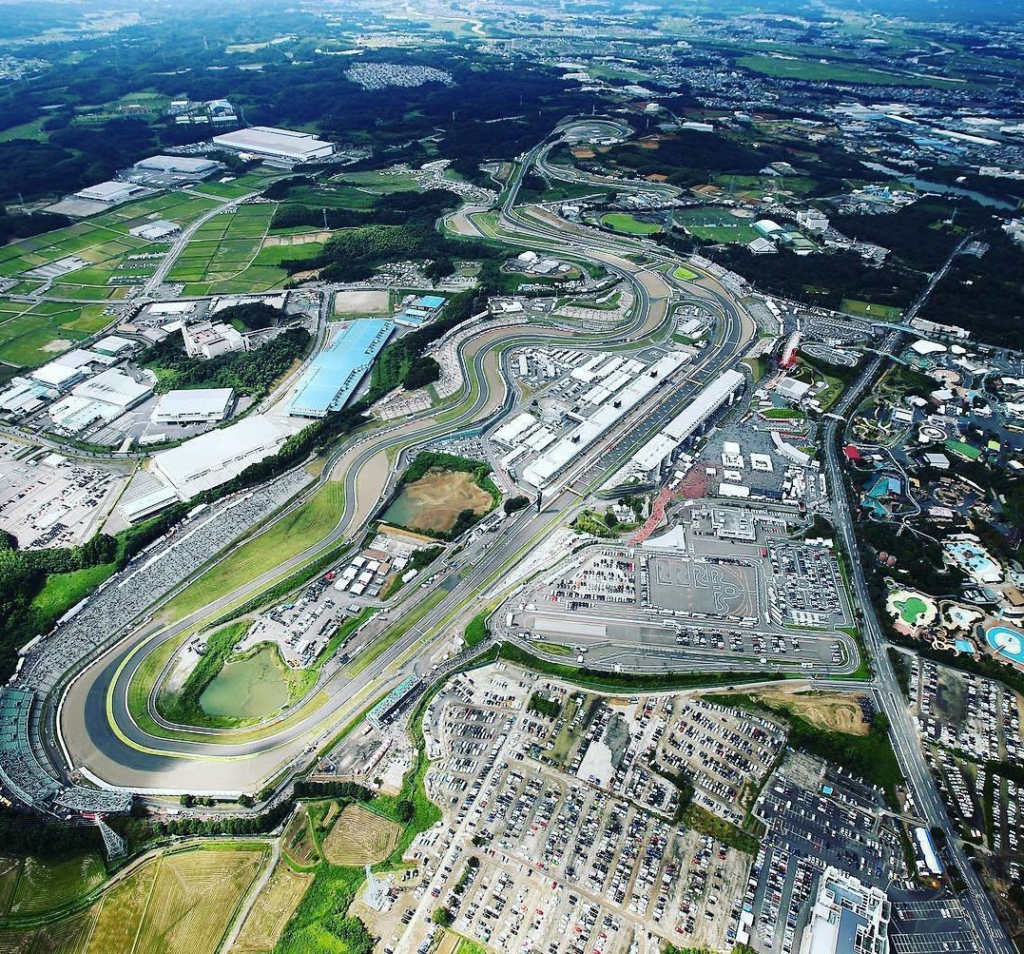
The Suzuka Circuit is located in Suzuka City, Mie Prefecture, Japan, approximately 50 km southwest of Nagoya. It is owned by Honda – a fitting home for one of Formula 1’s most celebrated tracks. The single most important logistical tip: stay in Nagoya. It is the closest major city, with the best transport connections to the race.
Distances from major Japanese cities to Suzuka Circuit:
From Nagoya: approximately 1 hour – closest and most convenient base
From Osaka: approximately 1.5 to 2 hours – great alternative with more nightlife and dining
From Kyoto: approximately 1.5 to 2 hours – easily combined with cultural sightseeing
From Tokyo: approximately 3 to 4 hours via Shinkansen to Nagoya, then local train
When Is the Japanese Grand Prix 2026? Race Dates and Schedule
The Japanese Grand Prix 2026 is going to take place in the end of March from 27th to 29th. Spring in Japan is extraordinary, often coinciding with the tail end of cherry blossom season (sakura), adding a magical visual dimension to race weekend. Always verify the exact date through the official Formula 1 website.
Typical Suzuka race weekend schedule:
Friday: two free practice sessions – excellent for exploring the circuit with smaller crowds
Saturday: final practice and qualifying – one of the most exciting sessions of the weekend
Sunday: Race day – the Japanese Grand Prix
Pro tip: arrive at least one day before the race weekend begins. Transport to Suzuka becomes extremely congested during race weekend, especially on race day.
Japanese Grand Prix 2026 Tickets: Grandstands, Prices, and Where to Buy
Securing Japanese Grand Prix tickets is the first critical step in planning your trip. Demand is extremely high – particularly for popular grandstands – and tickets often sell out well in advance. Act quickly once tickets go on sale.
General Admission
General Admission tickets are the most affordable way to attend the Suzuka Grand Prix. They provide access to standing viewing areas around the circuit, giving you freedom to roam between vantage points. The atmosphere in GA areas is often the most electric – Japanese fans bring incredible energy, elaborate costumes, and team banners. Arrive very early to secure a good spot.
Approximate price: €80-€150 per day
Access to multiple standing areas around the circuit
No reserved seat – arrive early for the best views
Best atmosphere, especially among passionate Japanese fans
Grandstand Tickets – Recommended for Most Visitors
Grandstand tickets are the recommended option for most visitors to the Japanese F1 Grand Prix. A reserved, numbered seat at a specific circuit location guarantees a great view and a far more comfortable race day experience.
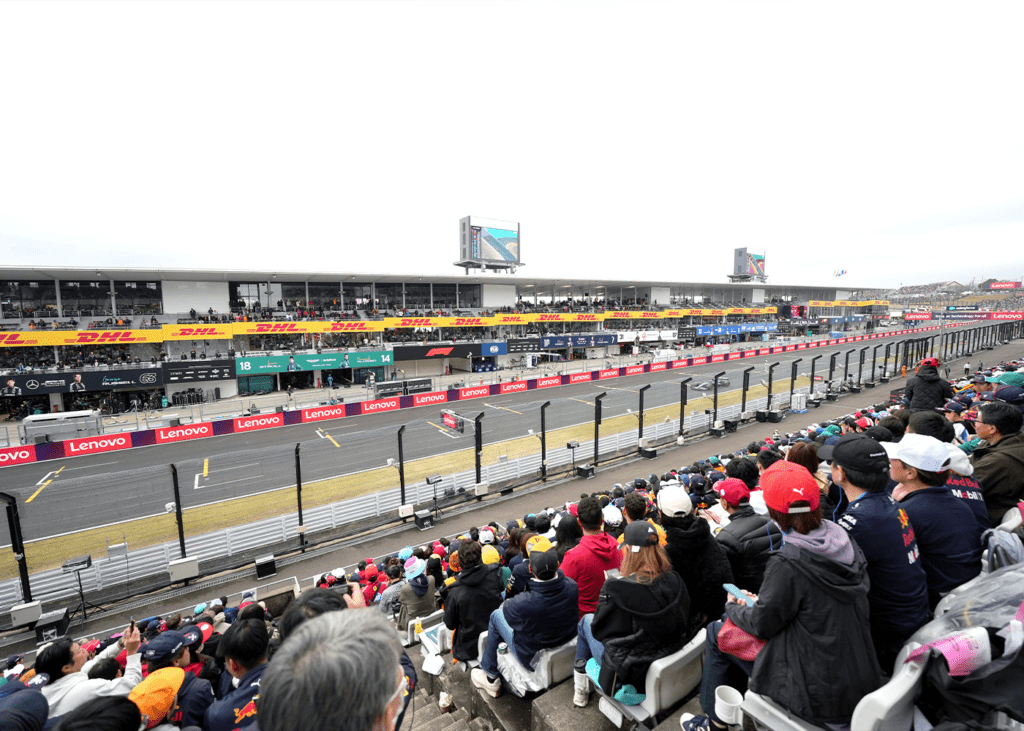
V1 / V2 Grandstands (Start/Finish Straight and Pit Lane) – the most prestigious seats at Suzuka, overlooking the race start, pit lane action, and the main straight. Best overall grandstand. Approximate price: €350–€700+
Spoon Curve Grandstand – one of the best overtaking zones at Suzuka. A long, sweeping double-apex corner on the back section of the track. Excellent close racing action. Approximate price: €250-€450
130R Grandstand – the legendary near-flat-out corner taken at 290–300 km/h. One of the most viscerally exciting spectating locations in all of Formula 1. Approximate price: €280-€500
Degner Curve Grandstand – a technical mid-speed corner where driver skill is clearly visible. Great value option. Approximate price: €200-€380
Hairpin Grandstand – tight chicane with frequent overtaking opportunities. Affordable and entertaining. Approximate price: €200–€350
VIP and Hospitality Packages
For the ultimate Japanese Grand Prix experience, hospitality packages offer premium seating, gourmet catering, exclusive paddock access, and a significantly more comfortable weekend. Available through Formula 1’s official Paddock Club and authorized providers. Approximate prices: €1,000–€5,000+ per person per day.
Where to Buy Japanese Grand Prix Tickets
Official Formula 1 website (formula1.com) – safest and most reliable source
Suzuka Circuit official website – direct purchase from the circuit operator
Authorized F1 travel packages – often bundle tickets with accommodation and transport
Always avoid unofficial secondary market sellers to prevent fraud
Pro tip: buy your tickets as early as possible – V1/V2 and Spoon Curve grandstands regularly sell out months before race day.
How to Get to Suzuka Circuit: Flights, Trains, and Transport
Best Airports for the Japanese Grand Prix
Nagoya Chubu Centrair International Airport (NGO) – closest major airport to Suzuka. Best option for direct travel to the race.
Osaka Kansai International Airport (KIX) – popular for visitors combining the race with time in Osaka and Kyoto. Many direct international flights.
Tokyo Narita (NRT) and Haneda (HND) – widest range of direct international flights. Journey to Suzuka approximately 3 to 4 hours.
Getting to Suzuka by Train – The Best Option
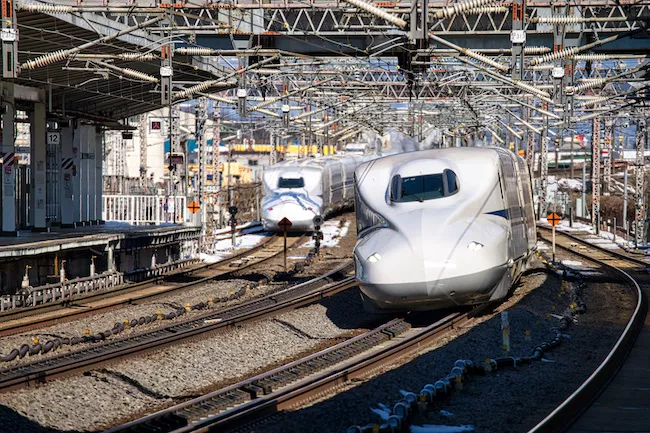
Japan’s train network is one of the finest in the world – punctual, efficient, and comprehensive. The train is by far the best way to reach Suzuka during race weekend.
From Nagoya: Kintetsu Nagoya Line to Shiroko Station, then shuttle bus to circuit. Total: approximately 50–70 minutes.
From Osaka: Kintetsu Line from Osaka-Namba to Shiroko Station, then shuttle. Total: approximately 1.5–2 hours.
From Tokyo: Tokaido Shinkansen to Nagoya (approximately 1 hour 40 minutes on the Nozomi), then Kintetsu Line to Shiroko. Total: 3–4 hours.
Japan Rail Pass: excellent value if traveling extensively around Japan. Note: the Kintetsu Line to Suzuka is not covered by the JR Pass.
Shuttle Buses to Suzuka Circuit
Official shuttle buses to Suzuka Circuit run from Shiroko Station and nearby stations throughout race weekend. Well-organized but lines can be long on race day – allow at least 30 to 45 extra minutes for queuing, especially on Sunday.
Where to Stay for the Japanese Grand Prix 2026
Accommodation for the Japanese Grand Prix sells out quickly. Book your hotel at the same time as your tickets – ideally as soon as the 2026 race calendar is confirmed.
Nagoya — Best Base for the Suzuka Grand Prix
Nagoya is unanimously the best place to stay for the Japanese Grand Prix. Closest major city, best transport connections, excellent range of hotels, and outstanding food and culture. Approximate hotel prices during race week: budget €80–€150/night, mid-range €150–€300/night, luxury €300–€600+/night.
Marriott Associa Nagoya – luxury hotel directly above Nagoya Station. Unbeatable convenience for race travel.
JR Gate Tower Hotel Nagoya – top-tier option connected directly to Nagoya Station.
Hilton Nagoya – well-located upscale hotel near the city center with excellent service.
Nagoya Kanko Hotel – a classic Nagoya institution, centrally located, long history of welcoming international guests.
Dormy Inn Nagoya and similar business hotels – excellent value mid-range options popular with F1 fans.
Osaka – Great Alternative with More Nightlife
Osaka is a popular alternative for visitors wanting to combine the Japanese F1 Grand Prix with vibrant nightlife, outstanding street food, and easier access to Kyoto. Approximately 1.5 to 2 hours from Suzuka by train, with a wider range of accommodation often at lower prices than Nagoya during race week.
Dotonbori and Shinsaibashi – the heart of Osaka’s famous food and entertainment district
Osaka Station / Umeda area – excellent transport hub with a wide range of business and luxury hotels
Ritz-Carlton Osaka, Conrad Osaka, InterContinental Osaka – luxury options with stunning city views
Staying in Suzuka City
Accommodation in Suzuka City is very limited and extremely expensive during race weekend. While staying close to the circuit has obvious appeal, the lack of options and minimal dining and entertainment make Nagoya or Osaka a far better choice for the vast majority of visitors.
Best Grandstands at Suzuka Circuit: Where to Watch the Japanese Grand Prix
Choosing the right grandstand can completely transform your Suzuka Grand Prix experience. Each section of the Suzuka Circuit offers a distinctly different perspective on the racing.
V1 / V2 Grandstands – Best Overall Seats at Suzuka
The V1 and V2 grandstands overlook the main start/finish straight and pit lane – the most prestigious seats at the Japanese Grand Prix. You watch the race start, every pit stop, and cars at full speed on the straight. Sell out first – book immediately when tickets go on sale.
Spoon Curve Grandstand – Premier Overtaking Zone
The Spoon Curve is one of Suzuka’s most celebrated corners – a long sweeping double-apex right-hander on the back section of the circuit. One of the best overtaking zones at Suzuka, offering superb close racing action throughout the race.
130R Grandstand – The Fastest Corner in Formula 1
The 130R corner is one of the most legendary corners in Formula 1 – a near-flat-out left-hander at speeds approaching 300 km/h. Watching cars blast through 130R is one of the most viscerally exciting experiences in Formula 1 spectating. The sound alone is worth the ticket price. Highly recommended for first-time Suzuka visitors.
Degner Curve and Hairpin – Technical Excellence
For fans who want to see technical mastery up close, the Degner Curve and Hairpin grandstands offer excellent views at generally more affordable prices. The Hairpin is also one of the best overtaking spots at Suzuka during the race.
General Admission – Best Atmosphere
General admission areas offer flexibility and the most passionate fan atmosphere – particularly among Japanese fans with their handmade banners and team costumes. Arrive very early to secure the best viewing spots.
What Makes Suzuka Circuit Special
The Unique Figure-8 Layout:
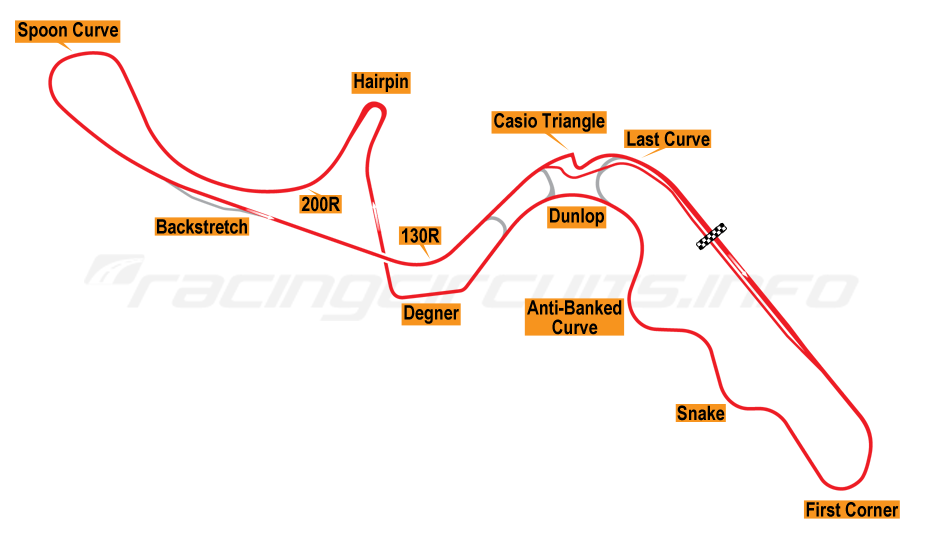
The Suzuka Circuit is the only track in Formula 1 with a figure-8 layout – the track crosses over itself via an overpass, creating one of the most distinctive and visually recognizable circuits in motorsport. This unique configuration produces an extraordinary variety of corner types: from the flat-out 130R to the tight Hairpin, the sweeping Spoon Curve to the fast Esses sequence.
Legendary Corners and Historic Moments
130R – one of the fastest and most terrifying corners in F1 history, taken near-flat at 290–300 km/h
Spoon Curve – a long challenging double-apex corner that separates great drivers from merely good ones
The Esses – a breathtaking sequence of high-speed S-curves, one of the most spectacular sights in Formula 1
Japanese F1 Fans – Among the Best in the World
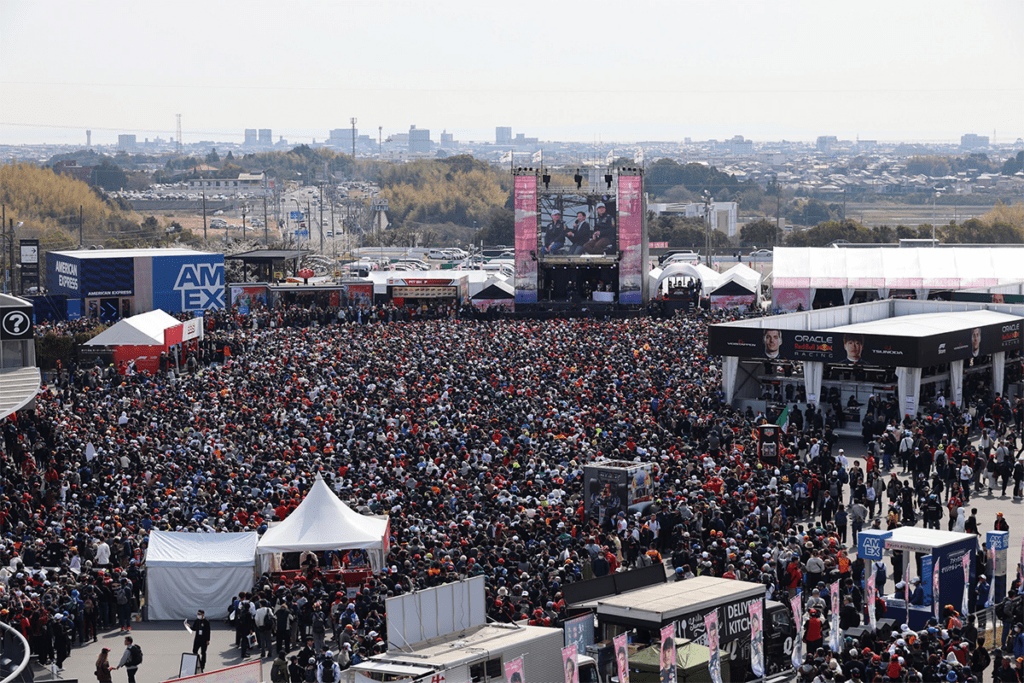
The Japanese Grand Prix fans are widely regarded as the most passionate, knowledgeable, and devoted Formula 1 supporters in the world. Their presence transforms the Suzuka Grand Prix atmosphere into something utterly unique.
Creative, elaborately designed costumes and team outfits that turn the grandstands into a spectacle
Intricate handmade banners celebrating favorite drivers and teams – often weeks in the making
Extraordinary respect, order, and cleanliness throughout the circuit
Deep technical knowledge – Japanese fans follow every detail of the sport with genuine expertise
The famous post-race clean-up – Japanese fans tidy their areas of the grandstand after the race, a gesture admired worldwide
What to Do in Japan Beyond the F1: Extend Your Trip
The Japanese Grand Prix at Suzuka is a perfect reason to visit Japan – but it would be a missed opportunity not to explore further. A 7 to 10 day Japan trip combining the race with cultural sightseeing, extraordinary food, and unique experiences is one of the best travel itineraries in the world.
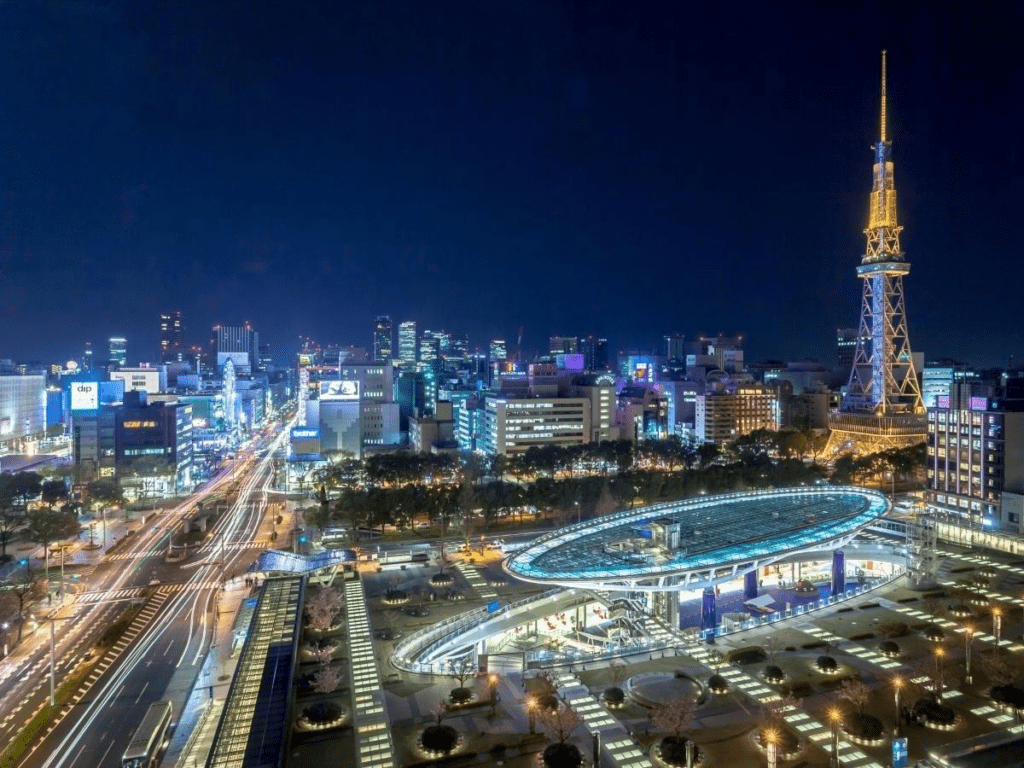
Nagoya -Japan’s Underrated Food Capital
Nagoya is one of Japan’s most underrated cities, with its own distinct culture, cuisine, and attractions. Spending extra time here before or after the race is highly rewarding.
Nagoya Castle – one of Japan’s most impressive feudal castles with beautifully restored interiors
Toyota Commemorative Museum of Industry and Technology – fascinating for motorsport and engineering enthusiasts
Nagoya-meshi (Nagoya cuisine) – hitsumabushi grilled eel, miso katsu pork cutlet, and spicy tebasaki chicken wings
Osu Shopping District – eclectic pedestrian street with vintage clothing, electronics, street food, and traditional crafts
Atsuta Jingu Shrine – one of Japan’s most important Shinto shrines, housing a National Imperial Treasure
Kyoto – Japan’s Cultural Capital
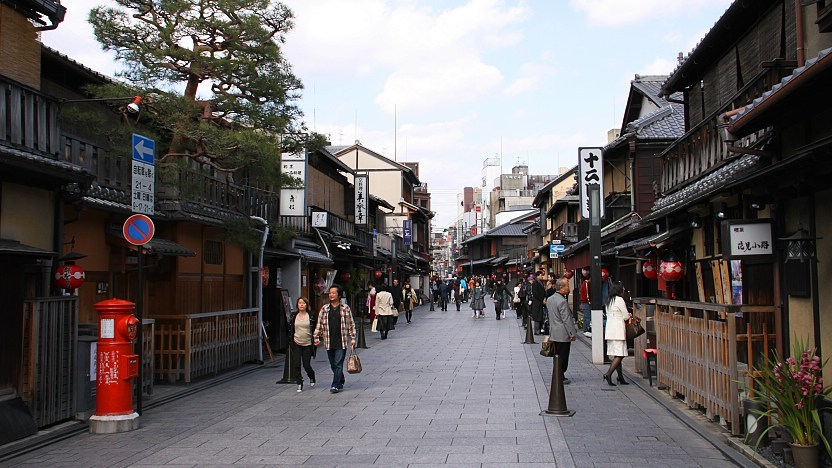
Just 1.5 to 2 hours from Nagoya by Shinkansen, Kyoto is the cultural heart of Japan. If you are visiting Japan for the Japanese Grand Prix, at least one day in Kyoto is an absolute must.
Fushimi Inari Taisha – thousands of vermilion torii gates climbing a forested hillside, one of the most iconic images in Japan
Arashiyama Bamboo Grove – a magical walk through towering bamboo forest
Gion District – Kyoto’s historic geisha quarter with traditional ochaya teahouses
Kinkaku-ji (Golden Pavilion) – the gilded Zen temple reflected in its tranquil garden pond
Nishiki Market – Kyoto’s famous covered food market, known as ‚Kyoto’s Kitchen‘
Osaka – Food, Nightlife, and Non-Stop Energy
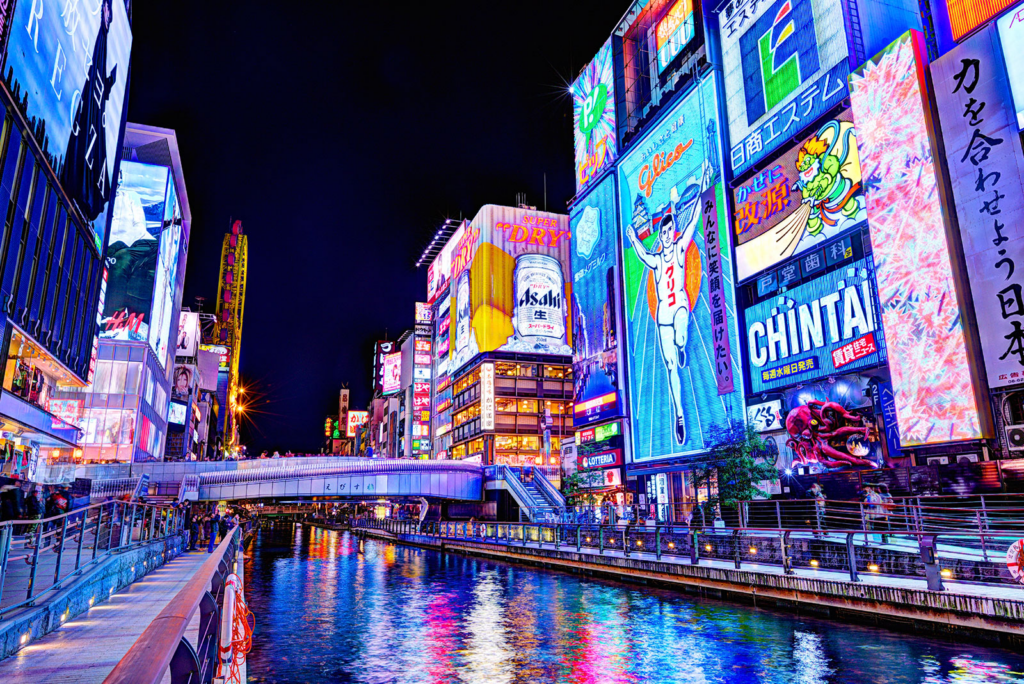
Just 1.5 to 2 hours from Suzuka, Osaka is Japan’s second city – famous for extraordinary street food, vibrant nightlife, and outgoing hospitality. For many visitors it becomes the undisputed highlight of their Japan trip.
Dotonbori – Osaka’s neon-lit entertainment and street food district, best experienced at night
Osaka Castle – a beautifully preserved 16th-century castle with panoramic city views
Kuromon Ichiba Market – one of Japan’s greatest food markets with fresh seafood and street snacks
Universal Studios Japan – Wizarding World of Harry Potter and Super Nintendo World
Practical Tips for First-Time Visitors to the Japanese Grand Prix
Arrive at the Circuit Early
Transport to Suzuka Circuit gets extremely congested during race weekend. Arrive early – aim to be on the train from Nagoya at least 2 to 2.5 hours before the first session. This gives you the best viewing spots in general admission and avoids the worst of the shuttle bus queues.
Cash vs Card: Always Carry Yen
Japan remains a largely cash-based society. Many food stalls, circuit vendors, and local shops operate cash-only. Always carry sufficient Japanese yen (JPY) – use ATMs at 7-Eleven, Japan Post, or major bank branches, which reliably accept foreign cards.
Weather in Japan in April: What to Pack
April weather in the Suzuka and Nagoya area is unpredictable – warm and sunny one day, cool and rainy the next. Typical temperatures: 10–20°C. Layering is essential. The cherry blossom season often coincides with the race, making April one of the most beautiful times of year to be in Japan.
Light waterproof jacket – April rain showers are common
Mid-layer for cooler sessions and evenings
Comfortable, sturdy walking shoes – the circuit involves a lot of walking
Sunscreen and a hat for warm, sunny days
Small backpack for circuit essentials: snacks, water, camera, sunscreen
Language and Communication
English is not widely spoken in Japan, particularly outside major cities. Download Google Translate with the Japanese offline language pack – the camera translation feature, which translates Japanese text in real time, is invaluable for menus, signs, and tickets. One of the most useful tools you can bring to Japan.
Japanese Grand Prix 2026: Frequently Asked Questions
Is Suzuka a Good Circuit for F1 Fans?
Absolutely – the Suzuka Circuit is widely regarded as one of the greatest Formula 1 tracks in the world by both drivers and fans. Its unique figure-8 layout, extraordinary corners, passionate Japanese fanbase, and remarkable history make it one of the best circuits on the entire F1 calendar for spectators.
How Much Do Japanese Grand Prix Tickets Cost?
Ticket prices range from approximately €80–€150 for general admission to €250–€700+ for grandstand tickets. VIP and hospitality packages start at approximately €1,000 per person per day. Weekend packages often offer better value than individual day tickets.
Where Should I Stay for the Suzuka F1 Grand Prix?
Nagoya is the best place to stay for the Japanese Grand Prix – closest city, best transport connections, widest hotel range. Osaka is an excellent alternative for visitors wanting more nightlife and easier access to Kyoto.
How to Get to Suzuka Circuit from Tokyo?
Take the Tokaido Shinkansen from Tokyo to Nagoya (approximately 1 hour 40 minutes on the Nozomi). From Nagoya, take the Kintetsu Nagoya Line to Shiroko Station, then a shuttle bus to the circuit. Total journey time from Tokyo: approximately 3 to 3.5 hours.
When Is the Japanese Grand Prix 2026?
The Japanese Grand Prix 2026 is expected in April 2026. Always verify the confirmed date on the official Formula 1 website before booking.
Final Thoughts: Why the Japanese Grand Prix Is a Must-Visit F1 Event
The Japanese Grand Prix at Suzuka Circuit is far more than a Formula 1 race – it is a complete cultural experience. From the bravery of drivers attacking 130R at 300 km/h to the passion of Japanese fans in handmade costumes, from the cherry blossoms of Nagoya in April to the temples of Kyoto, every element of a Suzuka Grand Prix trip rewards you richly.
Quick summary for planning your Japanese Grand Prix 2026 trip:
Best grandstands at Suzuka: V1/V2 (start/finish, best overall), 130R (speed and spectacle), Spoon Curve (overtaking action)
Best place to stay: Nagoya – closest city, best transport, great food and culture
How to get there: fly into Nagoya (NGO) or Osaka (KIX), Kintetsu train to Shiroko, shuttle to circuit
Ticket prices: €80–€150 (GA), €250–€700+ (grandstands), €1,000+ (VIP/hospitality)
Book early: accommodation and tickets sell out months in advance
Extend your trip: Nagoya, Kyoto, Osaka, and Tokyo all within easy reach
Carry cash: Japan remains partially cash-based, especially at the circuit
What makes Suzuka unique: only figure-8 layout in F1, legendary corners, world-class fans
Whether you’re a lifelong Formula 1 fan finally ticking Suzuka off your bucket list, or a first-time visitor drawn by the combination of motorsport and Japanese culture, the Japanese Grand Prix 2026 will exceed every expectation. Plan early, book fast, and prepare for one of the greatest weekends of your life.