Wondering where to stay in Miami? Choosing the right neighborhood can completely transform your trip. Miami isn’t one destination – it’s a collection of distinct mini-worlds, each with its own energy, atmosphere, and price point. Whether you’re chasing beachfront luxury, buzzing nightlife, street art, or a quiet tropical escape, this guide breaks down the best areas to stay in Miami so you can book with confidence.
For first-time visitors it’s recommended to stay in South Beach for the classic Miami experience. Couples and business travelers will love Brickell. Art lovers and digital nomads thrive in Wynwood. Families seeking calm prefer Coconut Grove or Key Biscayne.
Why Your Choice of Neighborhood Matters in Miami
Miami is a sprawling city – and unlike New York or Chicago, it’s not always walkable between areas. The neighborhood you pick determines your commute time, your nightly atmosphere, your hotel price, and how much you spend on transport. Getting it right saves time, money, and frustration.
Before booking, ask yourself:
- Do I want beach access or city vibes?
- Am I traveling solo, as a couple, or with family?
- Is nightlife or peace and quiet my priority?
- How important is public transport vs. having a car?
Once you know your answers, the best area to stay in Miami becomes obvious.
Best Areas to Stay in Miami in 2026: Full Neighborhood Breakdown
1. South Beach – Best for Beaches, Nightlife and First-Time Visitors
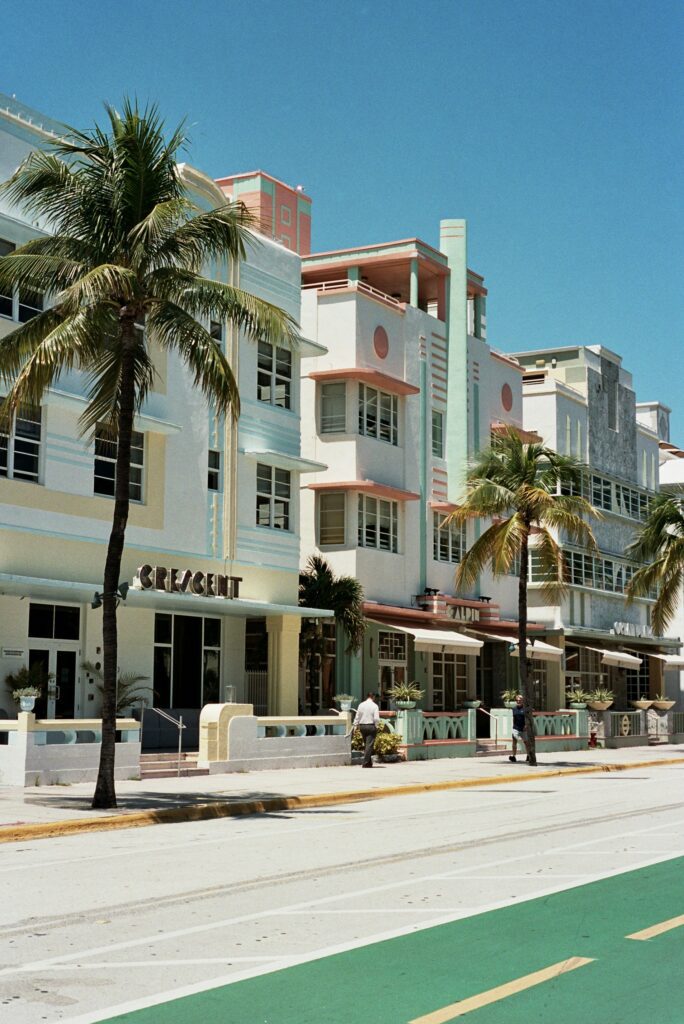
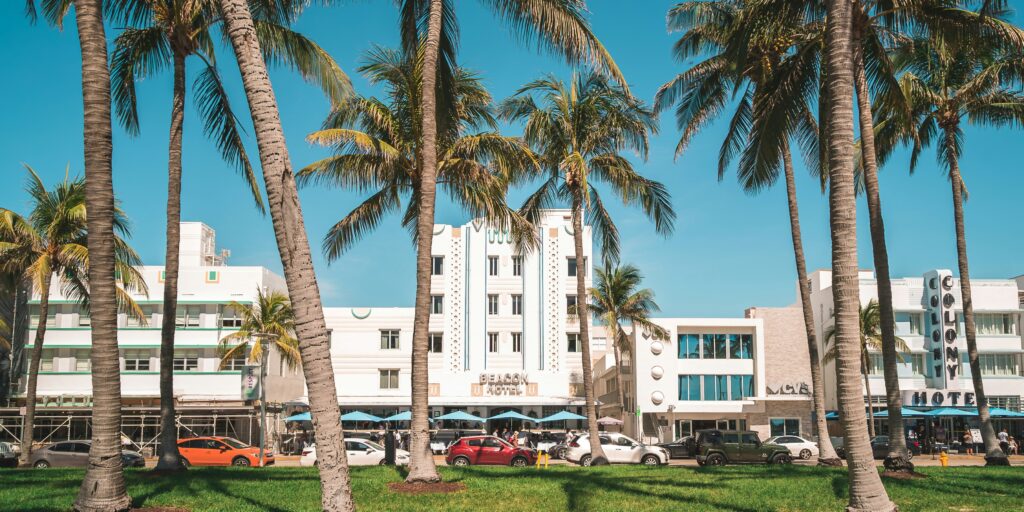
South Beach (often called SoBe) is the most iconic place to stay in Miami and the default choice for first-timers. Think pastel Art Deco hotels, neon-lit Ocean Drive, turquoise water, and beach clubs open until sunrise. This is the postcard version of Miami – glamorous, loud, and endlessly entertaining.
Why stay in South Beach:
- Walking distance to Miami’s best beaches
- Ocean Drive bars, restaurants, and clubs
- Iconic Art Deco architecture and vibrant atmosphere
- Endless dining options for every budget
- Easy access to Lincoln Road Mall and South Pointe Park
Things to consider:
- Can be noisy – avoid Ocean Drive between 8th and 12th Street if you value sleep
- Peak-season hotel prices are among the highest in the city
- Crowded year-round, especially in winter
Best for: first-time visitors, beach lovers, party travelers, luxury vacations, couples
Average hotel price: $193–$700+/night depending on luxury level
2. Brickell – Best for Luxury Hotels and Modern City Vibes
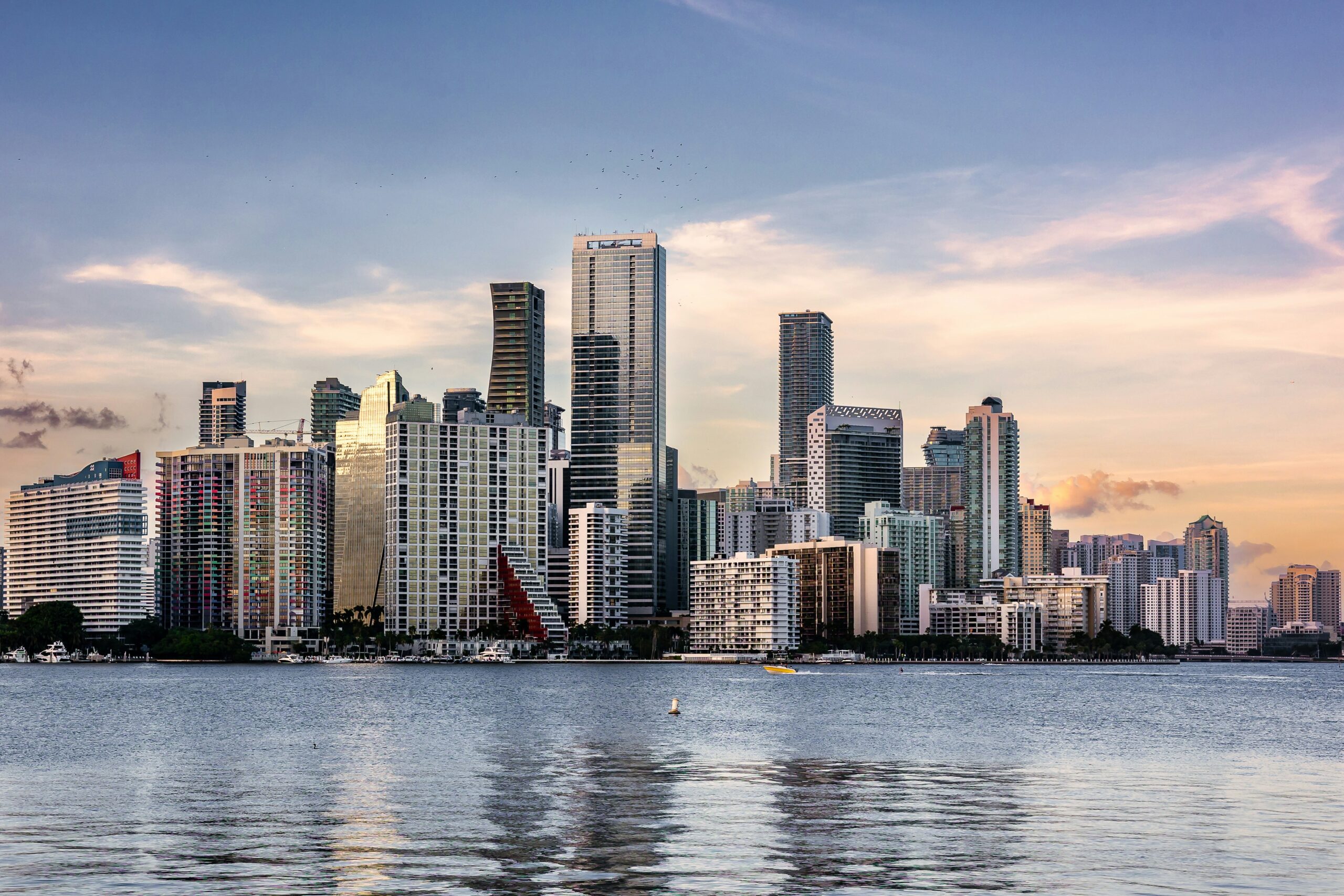
Brickell is Miami’s fastest-growing financial district – think Manhattan energy with a Miami twist. Construction cranes dot the skyline, rooftop bars are everywhere, and five-star hotels line the streets. It feels sleek, modern, and upscale without the beach-party chaos of South Beach.
Why stay in Brickell:
- World-class luxury hotels and modern high-rise apartments
- Safe, walkable streets lined with restaurants and boutiques
- Close to Downtown Miami and PortMiami cruise terminals
- Rooftop bars with sweeping city and bay views
- Excellent public transport links
Things to consider:
- Less beach-oriented than South Beach or Key Biscayne
- More corporate atmosphere – less „Miami beach town“
- Traffic can be heavy during weekday rush hours
Best for: couples, business travelers, luxury city stays, repeat visitors
Top hotels: Four Seasons Hotel Miami, Hampton Inn & Suites Downtown Miami, Novotel Brickell
3. Downtown Miami – Best for Sightseeing and Cruise Access
Downtown Miami is one of the most practical and best-value areas to stay, particularly if you’re taking a cruise from PortMiami, visiting museums, or attending events at Kaseya Center. The free Metromover and Metrorail make getting around the whole city easy.
Why stay in Downtown Miami:
- Steps from Bayside Marketplace, Pérez Art Museum, and Frost Science Museum
- Excellent public transport – Metromover is free
- Closest neighborhood to PortMiami cruise terminals
- More affordable than beachfront hotels
- Bayfront Park and outdoor events like Ultra Music Festival
Things to consider:
- Less of a „vacation“ feel – more urban and functional
- You’ll need transport to reach the beach
- Nightlife is concentrated in specific pockets
Best for: cruise passengers, short stays, budget travelers, sightseeing-focused itineraries
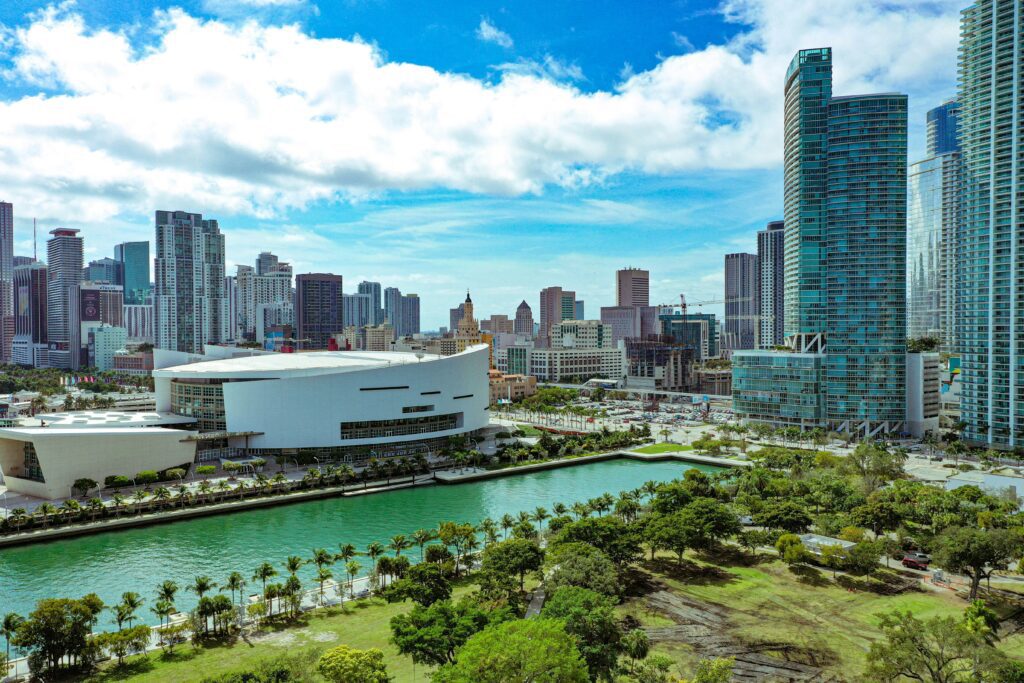
4. Wynwood – Best for Art, Culture and Trendy Atmosphere
Wynwood has transformed from a derelict warehouse district into Miami’s most creative and talked-about neighborhood. Home to the world-famous Wynwood Walls open-air mural museum, indie cafés, craft breweries, and boutique hotels, it’s the anti-South Beach – artsy, authentic, and cool.
Why stay in Wynwood:
- Wynwood Walls and world-class street art scene
- Boutique hotels and stylish apartment-style stays
- Excellent food scene – from local tacos to vegan restaurants
- Close to the upscale Design District (Gucci, Prada, contemporary galleries)
- Vibrant craft brewery and cocktail bar scene
Things to consider:
- Not walkable to the beach – Uber or car needed
- Can feel industrial in parts (it’s an intentional aesthetic)
- Accommodation options are more limited than South Beach
Best for: creative travelers, digital nomads, couples, urban explorers, art lovers
Top stays: Sentral Wynwood (apartment-hotel style)

5. Coconut Grove – Best for Relaxed, Upscale Stays
Miami’s oldest neighborhood, Coconut Grove offers a completely different side of the city – leafy, low-key, and charming. Boutique hotels, waterfront restaurants, marinas, and a famous plant-based farmer’s market (running for 40+ years) make this a great choice for travelers who want to escape the tourist crowds without sacrificing comfort.
Why stay in Coconut Grove:
- Peaceful, green neighborhood with lush streets and parks
- Waterfront restaurants, marinas, and sailing culture
- Boutique hotels and long-stay apartment options
- Famous for its plant-based and vegan dining scene (PLANTA Queen, Ariete)
- Safer than 84% of Florida cities
Things to consider:
- Further from South Beach – a car is recommended
- Quieter nightlife scene compared to SoBe or Brickell
- Less suited to travelers who want beach access every day
Best for: families, couples, long stays, repeat visitors, nature lovers
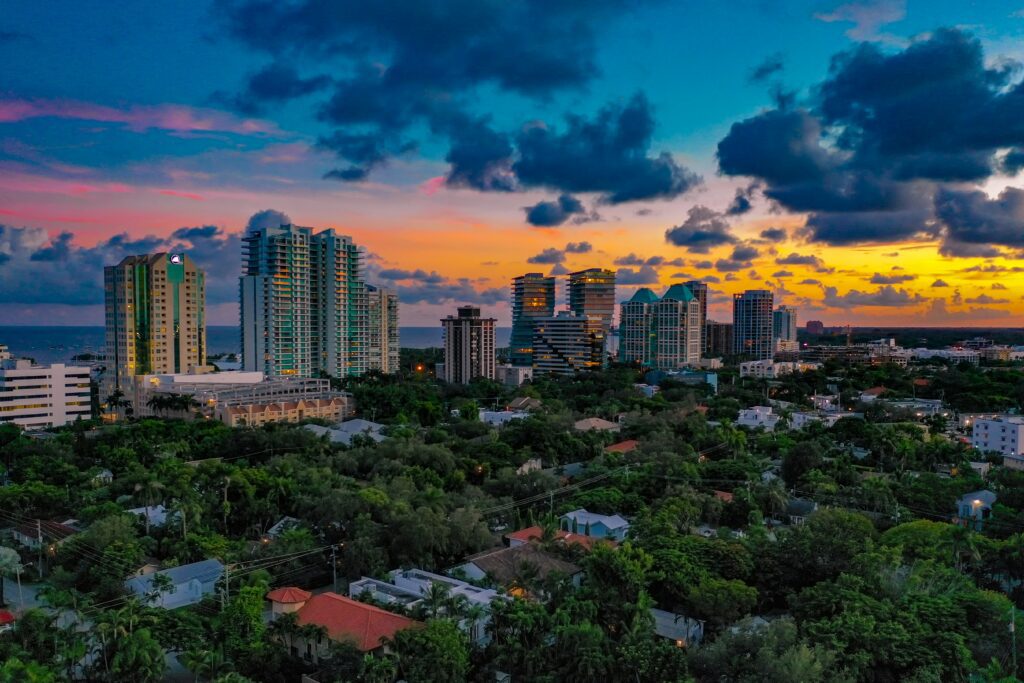
6. Key Biscayne – Best for Quiet Beaches and Family Vacations
Just south of the city, Key Biscayne feels like a tropical island escape – because it essentially is one. Pristine natural beaches, lighthouse views, bike trails, and family-friendly resorts make it perfect for anyone who wants Miami’s sunshine without its chaos.
Why stay in Key Biscayne:
- Quiet, uncrowded beaches – a world away from South Beach
- Bill Baggs Cape Florida State Park with lighthouse trails and calm waters
- Family-friendly resorts and safe environment
- Ideal for cycling, snorkeling, and water sports
- Lush, green atmosphere more like the Florida Keys
Things to consider:
- Car is essentially required – public transport is limited
- A bridge away from Miami proper (can add commute time)
- Fewer hotel options; mostly resort-style accommodation
Best for: families with children, luxury beach stays, nature lovers, relaxation-focused travelers

Budget vs. Luxury: Where to Stay in Miami by Price
Budget Accommodation in Miami
If you’re watching your budget, these areas offer the best value:
- North Beach / Mid-Beach – quieter than South Beach, same ocean access, lower prices
- Downtown Miami – affordable hotels with excellent transport links
- Little Havana – authentic, inexpensive, and culturally rich
- Wynwood – boutique stays at mid-range prices with a trendy atmosphere
Average budget hotel price in Miami: from $89/night.
Mid-Range Hotels in Miami
Mid-range stays (around $193–$300/night) are plentiful in:
- South Beach (CitizenM, The Betsy, Freehand Miami)
- Brickell (Hampton Inn & Suites)
- Coconut Grove (boutique properties)
Luxury Hotels in Miami
For the ultimate splurge (from $400–$700+/night):
- South Beach: 1 Hotel South Beach, Loews Miami Beach, W South Beach, Bentley Hotel South Beach
- Brickell: Four Seasons Hotel Miami
- Key Biscayne: luxury resort properties
- Coconut Grove: Mayfair House Hotel & Garden (recently renovated, with Sip Sip rooftop bar)
Best Time to Book Hotels in Miami
Timing your booking correctly can save hundreds of dollars:
| Season | Months | Hotel Prices | What to Expect |
|---|---|---|---|
| Peak | December–April | Highest | Best weather, busiest, book 3–6 months ahead |
| Shoulder | May & November | Mid-range | Great deals, fewer crowds, warm weather |
| Low | June–September | Cheapest | Hot, humid, afternoon storms, best discounts |
Tip: If budget is a priority, aim for a May or October visit – you’ll get shoulder-season prices with genuinely good weather and far fewer crowds.
Transport Guide: Choosing Where to Stay Based on Getting Around
Miami is spread out, so your accommodation location should match how you plan to get around:
- South Beach → mostly walkable + rideshares (Uber/Lyft)
- Brickell / Downtown → best for public transport users (free Metromover)
- Wynwood → best with a car or Uber; not walkable to beach
- Coconut Grove → car strongly recommended
- Key Biscayne → car essential
If you’re planning day trips to the Everglades, Key West, or Palm Beach, renting a car gives you maximum flexibility regardless of where you’re staying.
Distance from Miami International Airport:
- South Beach → ~9–12 miles (20–30 min)
- Brickell / Downtown → ~6–8 miles (15–20 min)
- Wynwood → ~5–6 miles (15–20 min)
- Coconut Grove → ~8–9 miles (20–25 min)
- Key Biscayne → ~12–16 miles (25–35 min)
Travel time depends heavily on traffic, especially during peak hour.
If you’re flying into Miami, it’s worth checking flight options in advance to find the best connections and prices.
Where to Stay in Miami: Quick-Match Summary
| Traveler Type | Best Area |
|---|---|
| First-time visitor | South Beach |
| Beach lover | South Beach / Key Biscayne |
| Nightlife seeker | South Beach / Brickell |
| Business traveler | Brickell / Downtown |
| Art & culture fan | Wynwood |
| Family with children | Key Biscayne / Coconut Grove |
| Budget traveler | North Beach / Downtown |
| Luxury seeker | Brickell / South Beach |
| Couple on a romantic trip | Mid-Beach / Coconut Grove |
| Cruise passenger | Downtown Miami |
Where Should You Stay in Miami?
If you’re visiting Miami for the first time, South Beach delivers the quintessential experience – beaches, Art Deco glamour, and a nightlife scene that rivals anywhere in the world. For something more sophisticated, Brickell offers luxury hotels and skyline views in a sleek urban setting. If art and culture are your thing, Wynwood is the obvious choice. Families and couples seeking peace will find their ideal base in Coconut Grove or Key Biscayne.
No matter which neighborhood you choose, Miami rewards visitors with year-round sunshine, world-class food, and an energy that’s unlike any other city in the United States.
Planning your full Miami trip? Pair this guide with our complete article on what to see and do in Miami to build the perfect itinerary from arrival to departure.
Frequently Asked Questions: Where to Stay in Miami
What is the best area to stay in Miami for first-time visitors?
South Beach is the best overall choice for first-timers. It combines iconic beaches, Art Deco architecture, vibrant nightlife, and endless dining options in a walkable setting that captures the classic Miami experience.
Where should I stay in Miami if I want peace and quiet?
Key Biscayne and Coconut Grove are your best options. Both offer a calmer, more residential atmosphere away from the tourist crowds, while still being a short drive from Miami’s main attractions.
Is Brickell or South Beach better for couples?
It depends on the couple. South Beach suits couples who love beach life and nightlife. Brickell is ideal for couples who prefer rooftop cocktails, fine dining, and a more sophisticated city vibe. Mid-Beach is often the sweet spot for romantic getaways.
Where is the cheapest area to stay in Miami?
North Beach, Little Havana, and Downtown Miami tend to offer the most affordable accommodation. Booking during the low season (June–September) will get you the best rates citywide.
Is it worth staying in Wynwood?
Yes – if you’re not prioritizing beach access. Wynwood is one of Miami’s most exciting neighborhoods for art, food, and culture, and staying there puts you right in the middle of it. Just factor in the cost of getting to the beach by rideshare.
How far in advance should I book a hotel in Miami?
For peak season (December–April), book at least 3–6 months in advance. For shoulder or low season, 4–6 weeks is usually sufficient, though earlier is always better for popular properties.